

Wound Core vs Laminated Core — Which Fits Your Transformer?
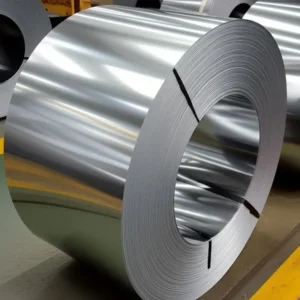
Two cores carry the same sheet in different shapes, and the difference is geometric rather than metallurgical. Wound vs laminated core turns on two axes. A wound core has no seam, and a laminated core has any shape. Jiangsu Zhongtong Weiye Special Steel Co., Ltd. compares them below, using a CRGO coil as the example.
The Short Answer
A wound core wins on loss and noise, while a laminated core wins on shape. A wound core also demands a special winder, so volume matters as much as watts. Hence the decision runs on size, batch, and structure at once. The build note covers the build itself.
Where the Seam Sits
A magnetic circuit with a gap costs flux, since the gap acts like a resistor in a circuit. A wound core has no gap along its path, because the strip runs continuously. Joints appear at every corner of a laminated core, so those corners add reluctance. Hence the seam is the first variable, and its location matters as much as its count. A seam note covers the loss side.
What a Wound Core Buys
A continuous strip gives a low reluctance path, so no-load loss drops against an equivalent stack. Many makers report 10 to 20 percent below a laminated design of the same grade. Noise also falls, because a seamless core flexes less at the joints. Hence a wound core suits a unit where quiet operation sells, and the noise note covers that claim.
What a Laminated Core Buys
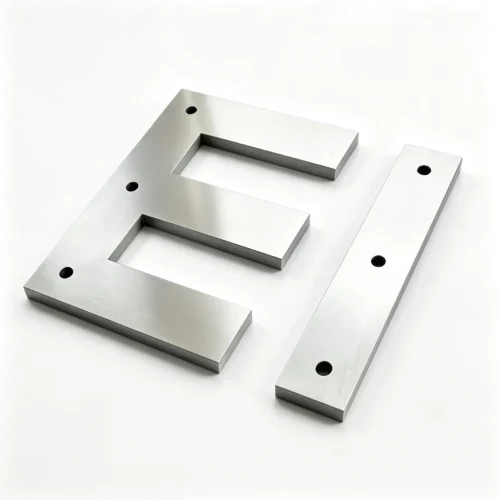
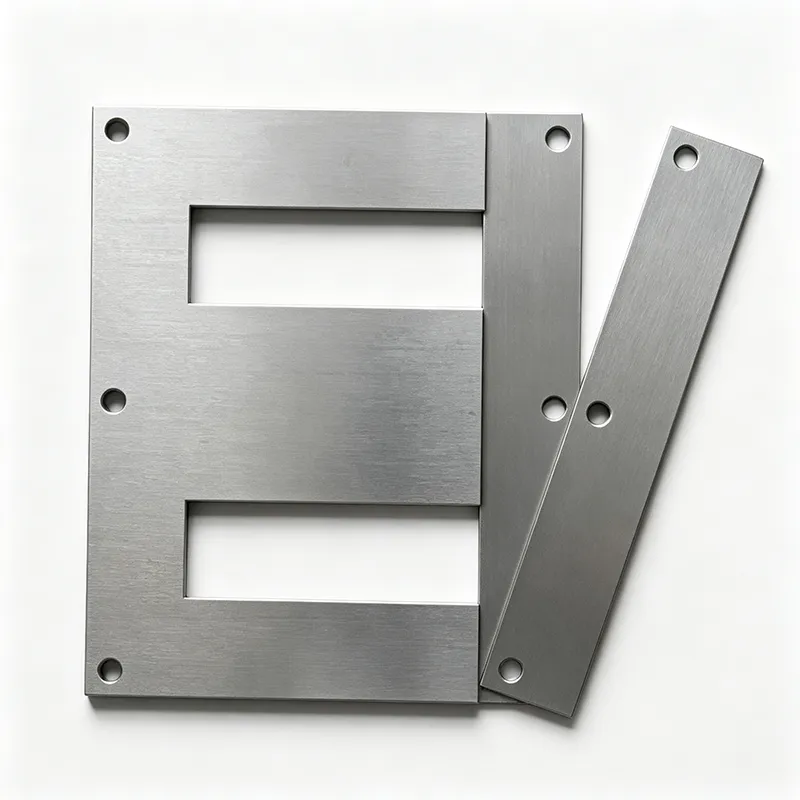
A laminated core accepts any outline, so a rectangular window and a three-limb frame both fit. It also accepts a wound coil slipped over a limb, which suits automatic winding. A three-phase unit therefore needs lamination, because three limbs cannot be wound from one strip. Hence shape decides many designs before loss enters.
The Cut Core in the Middle
A cut core is a wound core sliced in two, so a coil can slide over it. That slice buys assembly freedom, although it adds two gaps. Each gap adds reluctance, so the advantage shrinks towards a laminated figure. Hence the cut core sits between the two ends, and it suits small and medium units. A cut core shows the compromise in hardware.
The Machine Behind the Choice
A wound core needs a toroidal winder, because a coil must pass through the window. That winder costs money, and it runs slowly on a large core. A laminated core needs a press and a stacking table instead. Hence a small batch usually goes laminated, even where a wound core would save watts. The stack note covers the build side.
A Table That Decides
Four rows settle most enquiries, and each points one way. Below 500 kVA with a quiet duty, a wound core wins. Above 2,000 kVA, lamination wins, because a large wound core is hard to handle. A three-phase frame wins for lamination, since one strip cannot form three limbs. A short run wins for lamination, because the changeover costs more than the watts. Hence the table answers most cases at a glance.
What the Sheet Looks Like
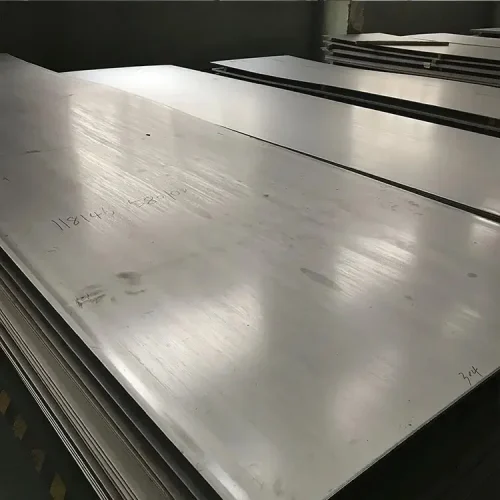
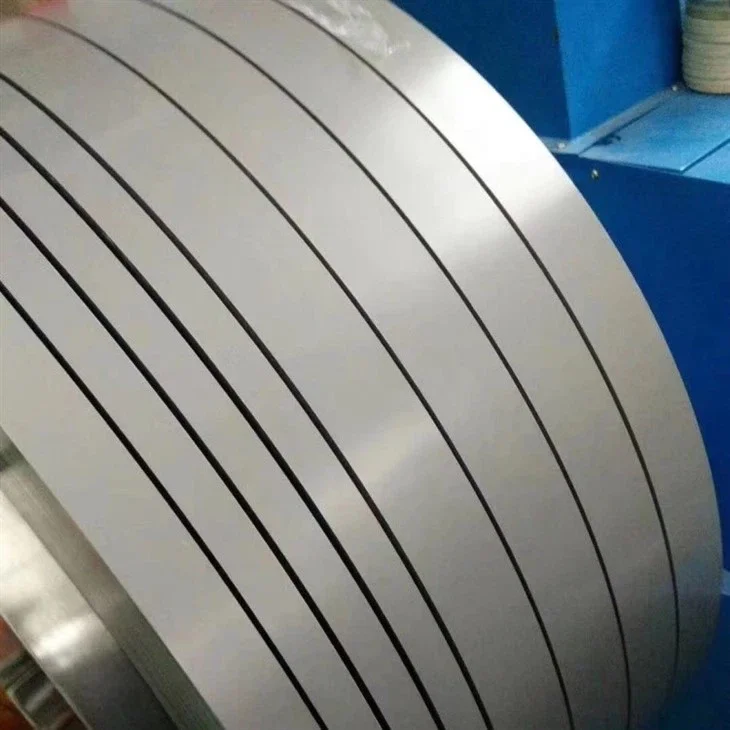
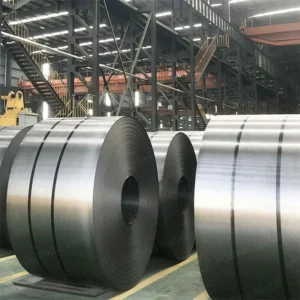
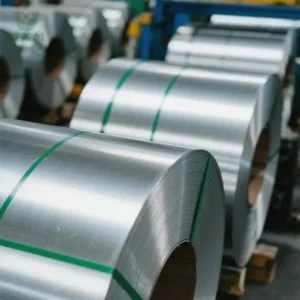
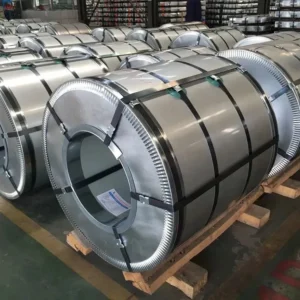
Both core types come from the same coil, and only the width and the gauge change. A wound core takes a narrow strip, since the strip must bend around a small window. A laminated core takes a wide sheet, since a limb needs area rather than length. Hence a slitter sets the width before either builder starts, and a slitting note covers the tolerance.
A Repair Question
A wound core cannot be opened once it is built, so a fault means a new core. Restacking stays possible on a laminated core, since every sheet comes out again. That difference decides many repair contracts, and it rarely appears in a datasheet. Hence a serviceable unit often prefers lamination. A uses note covers the wider field.
What Goes Wrong
One buyer specifies a wound core for a three-limb frame, then learns that no strip bends that way. Another chooses lamination for a quiet unit, then pays for sound treatment. A third forgets the winder, so the quote misses a machine. Those three errors arrive monthly, and each one traces back to a missing question.
What We Do Not Do
We do not melt or roll steel. We do not wind or stack a customer’s core, because that work belongs to the builder. Nor do we promise a loss advantage without the grade and the size.
Those limits keep the answer honest, and they keep a comparison fair.
Specify Your Order
Give the rating, the phase count, the batch, and the noise target. Those four fields then set the core type. Add the winding method, because a slipped coil needs a cut or a stack. A grain oriented sheet covers a wound duty. A CRGO sheet covers a cut core. That reply usually takes a day.
Related Reading
The wound build covers the continuous path. The lamination note covers the stacked build. A hub page answers six basic questions.
Frequently Asked Questions
A wound core, since a seamless path flexes less at the joint.
Lamination, since three limbs need separate sheets.
A wound core sliced in two, so a coil slides on.
Because a toroidal winder is costly and slow on large cores.
On no-load yes, although the gain shrinks with size.
- Email: vera.liang@ztwysteel.com
- Location: Xishan District, Wuxi, Jiangsu, China
- Supply range: CRGO and CRNGO 0.20–0.65 mm, four coating classes
- Slitting: 20–1,250 mm, ±0.05 mm, burr under 0.02 mm
- Documentation: MTC EN 10204 3.1 with grade, thickness and loss basis, 3.2 on request



 English