
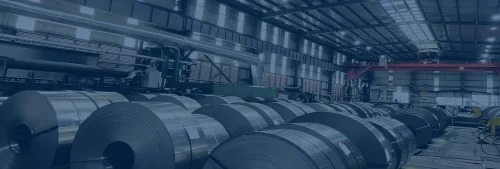
Silicon Steel Inspection: Six Checks That Decide a Lot
Silicon steel inspection settles a coil before it leaves the mill, and six checks carry most of the weight. A buyer who inspects only the gauge often accepts a coil that fails on burr or coating. A buyer who inspects nothing relies on a certificate that a mill wrote about its own product. Both routes cost money, because a failed coil at the press costs more than a failed coil at the dock.
This guide lists the six checks, sets the certificate question straight, and prices a witness visit against the risk.
What Silicon Steel Inspection Covers
An inspection compares the delivered coil against the purchase order, item by item. It covers dimensions, surface, coating, magnetic values and packing, since the order lists each one. It does not cover the mill’s process, because an inspector reads the output rather than the furnace.
Three inspection types exist, and each suits a different order. The pre-shipment route happens at the mill before loading, so it catches most problems. A witness test then runs in the mill lab, where it covers the magnetic reading. Finally, a destination inspection happens after arrival, and it settles a claim rather than prevents one.
Six Checks That Matter
Six checks cover the field, so each takes only minutes. Run them in order, because the cheap ones come first.
Gauge and Width
Measure the gauge at three points across the width, since a crown shows at the centre. On 0.50 mm the tolerance band runs plus or minus 0.025 mm, so a reading outside that band fails. Measure the width at both edges, because a slitting error shows there first. A 0.50 mm sheet weighs 3.925 kg per square metre, so check the weight calculation against the measured gauge.
Burr
Check the burr on both cut edges, since a slitting line can wear on one side. The limit sits near 0.02 mm, so a value above it damages the coating at the next lap. Run a fingernail along the edge, since a rough feel marks a burr above the limit. Read the silicon steel burr limit note for the full scale.
Coating and Layer Resistance
Check the film for gaps and for thickness, since a thin spot loses its insulation. A layer resistance test reads in ohm square centimetres, so a value in the hundreds suits most cores. A film that reads near zero has failed, although the surface looks sound. Film condition also decides why silicon steel sheets need insulation.
Surface
Look for rust, scratches and roll marks, because each one marks a defect that the standard forbids. Edge rust counts as a defect at the cut line. A face stain counts only when it crosses the flux path, since a small patch clears. Photograph the defect against a scale, since a photo without a scale proves nothing.
Magnetic Sample
Cut one sample and test it on an Epstein frame, since the magnetic value carries the commercial weight. A 25 cm frame takes a strip set, so the reading follows the standard in use. Allow a band around the certificate figure, because the test method and the sample stress both move the number. Run the magnetic test items list before you book the frame.
Packing and Marking
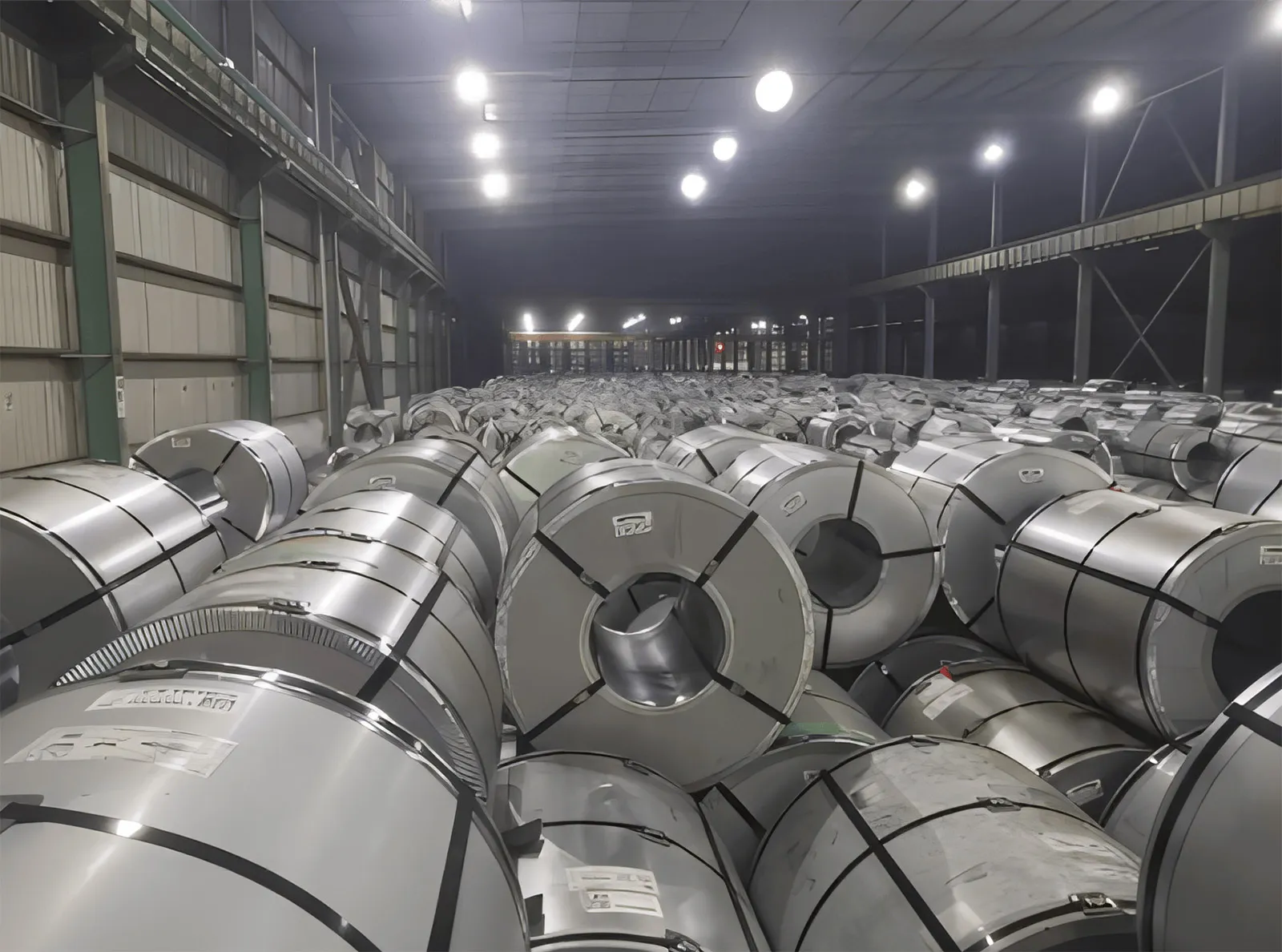
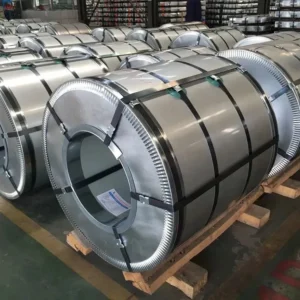
Check the wrap, the desiccant and the label, since a torn wrap admits moisture in transit. Check the label against the certificate, because the coil number, the heat number and the grade must agree. A label that names a different grade than the heat record ends the inspection at once, since the trace breaks.
Who Signs the Certificate
Two certificate routes exist, so buyers confuse them constantly. The difference sits in who witnesses the test, so read the signature line.
3.1 Is Not Third Party
An EN 10204 3.1 certificate carries a declaration from the manufacturer’s own inspection department, since the mill issues it. It states that the product meets the order, so the mill signs it. That route is valid, while it is not independent, because the mill inspects its own output. The GB standard, EN standard and ASTM standard notes each name the certificate route for their system.
3.2 Needs an Independent Inspector
An EN 10204 3.2 certificate adds an inspector who is independent of the manufacturer, since the signature must stand apart. That inspector signs beside the mill, so the document carries two signatures. This route suits safety-critical cores and public projects, so it costs more because a witness must attend.
So a buyer who needs third party proof should order 3.2 rather than 3.1. A 3.1 certificate proves the mill checked, while a 3.2 certificate proves someone else checked too.
What an Inspection Costs
A witness visit costs money, yet the arithmetic usually favours it. Price the visit against the claim it prevents, rather than against the order value.
A pre-shipment inspection runs near 500 to 1,500 US dollars for one coil lot. That range covers one day plus travel, since the inspector attends on site. An order of 20 t at 1,000 USD/t carries 20,000 USD of value, so the visit costs about 4 percent. Ask for the quotation speed first, since a visit needs a date. One avoided claim of 3,000 USD pays for several visits, so the math favours a check on any first order.
Silicon Steel Inspection: A Booking Checklist
Book the visit early, since an inspector needs access before the coil leaves. Five items settle the booking, so confirm each one in writing.
| Item | What to confirm |
|---|---|
| Type | pre-shipment, witness test or destination |
| Scope | six checks plus the magnetic sample |
| Standard | GB/T 2521, EN 10106 or ASTM A677 |
| Notice | three to seven days before loading |
| Certificate | 3.1 or 3.2, with the signature line named |
Use the silicon steel standards summary to name the standard on the booking form. A vague scope wastes the visit, since an inspector tests what the form lists. A booked visit also suits silicon steel export packing checks, since the wrap and desiccant belong in the scope.
What We Do Not Do
We do not book a witness visit after the container closes, because the coil has left by then. Nor do we present a 3.1 certificate as third party proof. Nor do we hide an edge defect behind a wrap. We hold CRGO silicon steel coils and non oriented electrical steel on one floor. A grain oriented electrical steel sheet lot takes the same six checks. Silicon steel sheets leave Wuxi with the mill label intact, at Jiangsu Zhongtong Weiye Special Steel Co., Ltd.
FAQ
No, because the mill signs it with its own inspection department. A 3.2 certificate adds an independent inspector, so that route carries third party proof.
One working day for a coil lot, since the six checks run in sequence. Book it three to seven days ahead, because an inspector needs a slot.
Yes, but the test needs a sample cut from the coil. A 25 cm Epstein frame takes a strip set, so the check costs a small piece of stock.
Name the standard in the order, so GB/T 2521, EN 10106 or ASTM A677. A vague scope lets the inspector use a house method.
No, because a repeat order with a stable record often skips the visit. A first order or a new grade justifies the check, since the risk sits highest there.
Request a Quotation
Send the standard, the inspection scope and the certificate route you need. Then we can book the slot and confirm the date. Inspection questions are answered within one working day, while quotes stay valid for two weeks. Write to vera.liang@ztwysteel.com.
- Email: vera.liang@ztwysteel.com
- Location: Xishan District, Wuxi, Jiangsu, China
- Inspection support: pre-shipment, witness test and destination routes
- Checks: gauge, burr, coating, surface, magnetic sample and marking
- Documentation: EN 10204 3.1 or 3.2, heat number, test method
- Response time: inspection questions answered within one working day, quotes valid two weeks




 English