

Silicon Steel Urgent Order: Three Routes and Their Real Clocks
A silicon steel urgent order rarely fails because the mill is slow. It fails because the buyer picks the wrong route and promises a date the supply chain cannot keep. Three routes exist, and each carries its own clock. Stock ships in days, re-slitting takes a week, and a fresh heat takes six weeks.
This guide sets the three clocks, names where the time actually sits, and prices the premium against the delay.
What Urgency Costs in Silicon Steel
Speed costs money, so the premium scales with the route. However, stock carries no premium beyond the base price. Re-slitting adds a setup charge near 15 to 30 percent on a small lot, since the line must reset. A fresh heat carries the full mill premium, so air freight adds a larger bill again.
So the first question is not how fast a mill can roll, but how fast your gauge can ship. Name the standard early, since the silicon steel standards list decides which stock qualifies. A buyer who needs 0.50 mm in a common width finds stock. A buyer who needs 0.27 mm in an odd width waits for a heat, since no coil covers that pair.
Three Routes and Their Clocks
Three routes cover most urgent orders, so each starts from a different stock position. Pick the route before you quote a date, because the clock follows the stock.
Stock in Wuxi
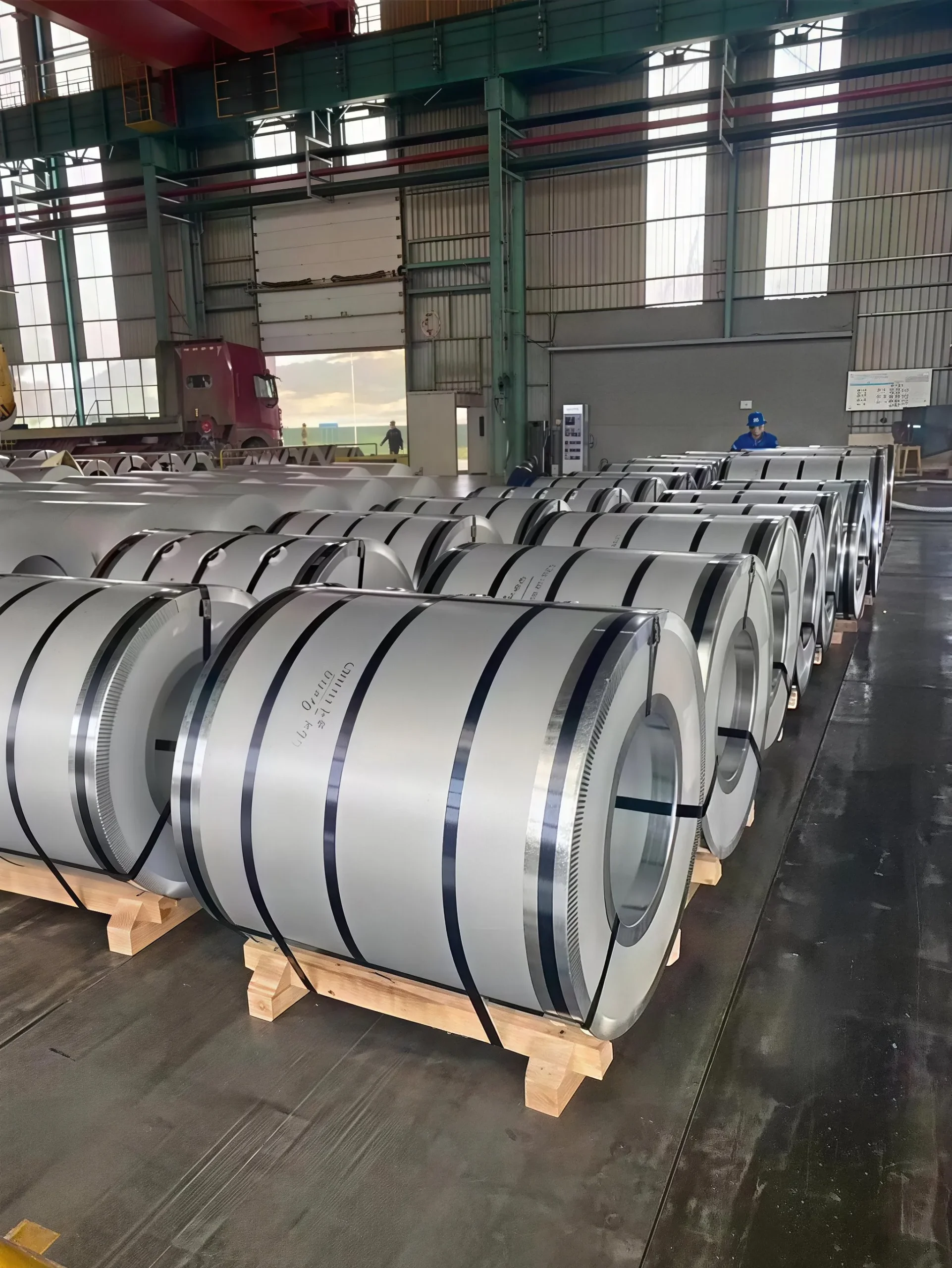
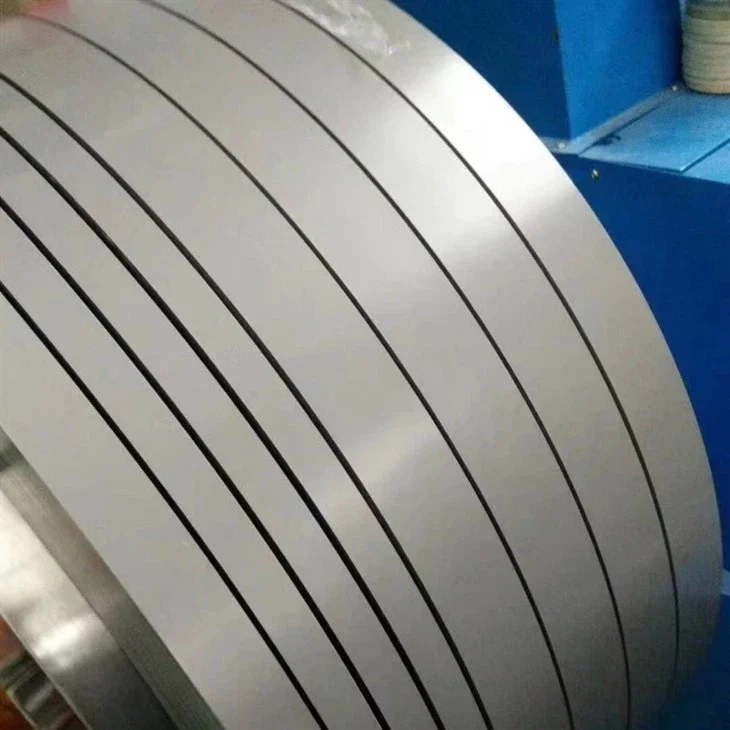
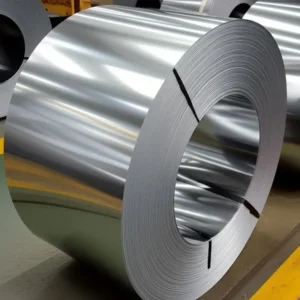
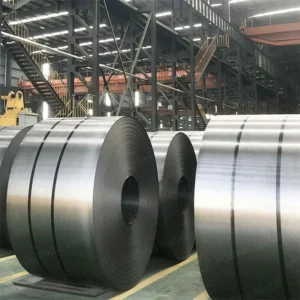
A stock coil ships within three to seven days, since the coil already sits on the floor. Slitting adds a day, because the line must set the width. The route suits a common grade in a common width, so check the stock list first. That stock often includes a non oriented electrical steel coil in 0.50 mm.
Re-Slit and Re-Cut
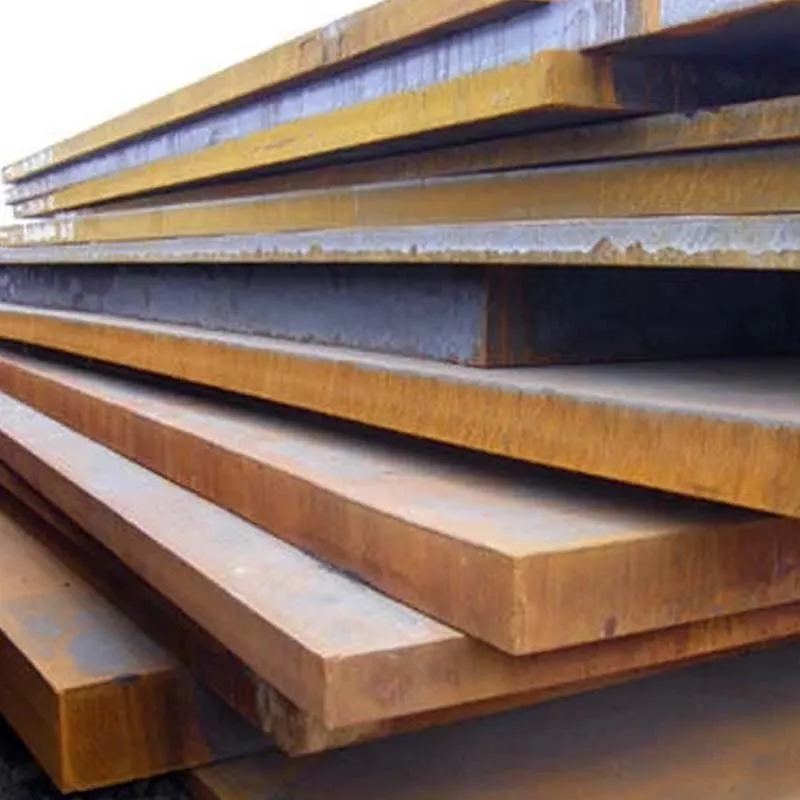
A re-slit order runs seven to twelve days, because the line takes a mother coil and cuts a new width. A cut to length order runs ten to fourteen days, since the shear adds a pass. This route wins, because the gauge exists while the width does not. Read the cut to size sheets note when the width falls outside stock.
Fresh Rolling
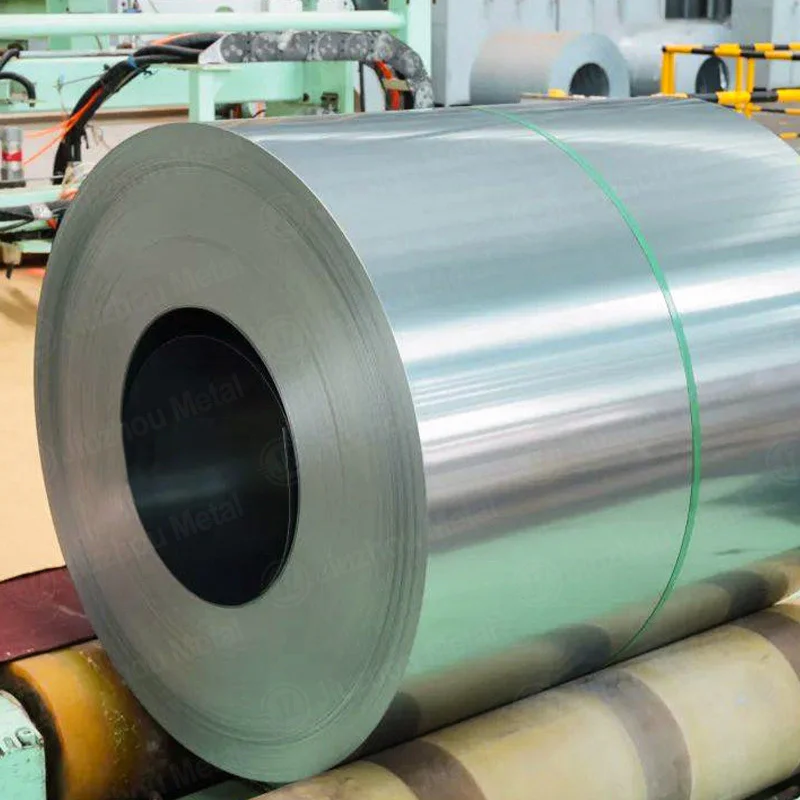
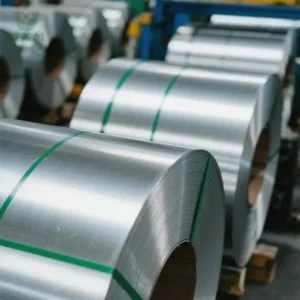
A fresh heat runs thirty to forty-five days for non-oriented stock. The mill must schedule a cast and a roll, so the clock starts at the order. A grain oriented heat runs forty-five to sixty days, because the process adds passes and an anneal. A grain oriented electrical steel sheet order therefore needs an early slot. This route suits a grade or a width that no stock covers, since nothing sits on the floor.
Where the Clock Really Sits
Most delays sit outside the mill, yet buyers rarely see them. Two stages carry the hidden time, since both run on paperwork.
Production Is Rarely the Brake
A slitting line cuts a coil in hours, while a shear cuts a sheet in minutes. So production rarely adds weeks, unless the mill waits on a heat. The brake sits downstream, because booking and clearance take their own time.
Booking and Documents
Ocean booking takes two to three days in a normal week, yet longer in a peak season. Customs clearance adds three to five days at the destination, since the paperwork must clear. A missing certificate stops the container at the gate, so documents belong in the plan rather than after it. A stored coil also keeps its figure longer than a booking window. Read the silicon steel shelf life note when stock sits, since time still runs.
A full path from Wuxi to Los Angeles runs near twenty-seven days, since each stage adds its floor. Stock needs three days, booking takes three, the crossing takes sixteen, while clearance takes five. Each stage carries a floor, so no route runs faster than the sum.
Air Freight: When It Makes Sense
Air freight costs far more than sea freight, so it suits a narrow case. Price the air bill against the cost of a stopped line, because that comparison decides.
Air moves near 167 kg per cubic metre, while a cubic metre of silicon steel weighs about a tonne. So air freight bills on volume for a heavy cargo, and the cost climbs fast because volume governs. A 5 t coil rarely justifies the bill, while a 200 kg sample often does. Use the silicon steel sheet weight calculation to compare the freight against the delay.
One case fits, namely a first article or a repair strip that unblocks a line, since the bill stays small. Another case fits too, namely a small lot whose delay would stop a shipment of finished motors. There the loss outruns the freight, so the bill pays itself. Any larger lot belongs on the water, because the premium exceeds the delay cost.
Silicon Steel Urgent Order: A Timeline Table
The table sets each route against a delivery date, so a buyer can promise a date that holds. Add the sea leg before you quote a landing date, since the ocean crossing dominates the total.
| Route | Production | Plus booking | Sea to Europe |
|---|---|---|---|
| Stock in Wuxi | 3–7 days | 2–3 days | 30–35 days |
| Re-slit | 7–12 days | 2–3 days | 30–35 days |
| Cut to length | 10–14 days | 2–3 days | 30–35 days |
| Fresh NGO heat | 30–45 days | 2–3 days | 30–35 days |
| Fresh GO heat | 45–60 days | 2–3 days | 30–35 days |
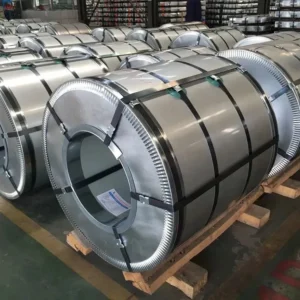
A 40 ft box carries 25 to 27 t of coils. So a 5 t urgent lot shares a container with other cargo. Book the silicon steel inspection slot before loading, since the witness needs notice. Read the silicon steel export packing note before you book. The wrap and the skid add days of their own, since each stage runs in sequence.
What We Do Not Do
We do not promise a date before the stock check, because a promised date costs more than a late quote. Nor do we ship a coil without the certificate, since a missing paper stops the container. Nor do we air-freight a 5 t lot, because the bill exceeds the delay. We hold CRGO silicon steel coils in Wuxi for the fastest route. Silicon steel sheets leave Wuxi with the mill label intact, at Jiangsu Zhongtong Weiye Special Steel Co., Ltd.
FAQ
Three to seven days, since the coil sits on the floor and the slitting line needs one day. Booking adds two to three days before the container moves.
Thirty to forty-five days for non-oriented stock, and forty-five to sixty days for grain oriented. The mill must schedule a cast, a roll and an anneal.
Only for a small lot, since air bills near 167 kg per cubic metre. Steel weighs a tonne per cubic metre, so the volume governs the bill.
Booking and documents, since production runs in hours. A missing certificate stops a container at the gate, so papers belong in the plan.
Yes, because a 40 ft box carries 25 to 27 t. An urgent 5 t lot then fits beside other cargo, so a shared box books faster.
Request a Quotation
Send the gauge, the width, the tonnage and the date you need. Then we can check stock and name a route with a real clock. Urgent enquiries are answered the same day, while quotes stay valid for two weeks. Check the coil MOQ first, since a small lot may share a slit. Write to vera.liang@ztwysteel.com.
- Email: vera.liang@ztwysteel.com
- Location: Xishan District, Wuxi, Jiangsu, China
- Stock routes: Wuxi stock, re-slit and cut to length
- Checks: gauge, width, tonnage, certificate and booking slot
- Documentation: MTC, packing list, invoice and certificate of origin
- Response time: urgent enquiries answered the same day, quotes valid two weeks



 English