

What Damage Does a Burr Do Inside a Core?
A bad edge rarely announces itself, while a bad grade usually takes the blame. Burr effect on core performance leaves four traces. Each one points to an edge, before it points to the grade. Jiangsu Zhongtong Weiye Special Steel Co., Ltd. reads those symptoms below, using a grain oriented electrical steel sheet as the example.
The Short Answer
One bridged line raises no-load loss, cuts interlamination resistance, warms a small area, and shifts stack height. Each symptom has two other causes at least, so diagnosis needs a second test. Hence a thermal camera and a resistance reading settle in an hour what a grade argument never can.
Symptom One — Loss Reads High
A short across sheets lets eddy current run the long way, so loss rises above its design figure. That excess stays small in absolute terms, near a few percent of the no-load value. That margin sits inside a normal building factor, because the uplift hides it. Therefore, a loss reading alone cannot convict an edge, since it carries no location. The reconciliation note separates those layers.
Symptom Two — A Spot Stays Warm
A bridged area heats faster than the rest of the core, although the rise stays local. A rise of a few kelvin shows on a thermal camera at once, whereas a hand feels nothing. That pattern separates an edge problem from a grade problem, since a poor grade warms evenly. Hence an image beats a calculation here. The thermal note covers the heat path.
Symptom Three — Resistance Collapses
Interlamination resistance is measured in ohm square centimetres, while a coating reads in the hundreds or thousands. A bridge drops a local reading towards zero, so that drop becomes unmistakable. The method appears in IEC 60404-11, which places a contact across a stack. Therefore, a resistance map localises damage better than a loss figure ever does. The standard note groups those methods.
Symptom Four — The Stack Grows
A burr adds height at every cut, so a measured stack can exceed its nominal build. That extra height reads as a better stacking factor, although packing actually worsens. A designer who trusts that number then underpredicts flux density. Hence a height check should travel beside a burr check. The stacking note explains the correction.
What Else Causes Each Symptom
A high loss can come from a wrong grade, a hot anneal, or a real building factor problem. A warm spot can come from a loose clamp, or from a blocked oil duct. Low resistance can come from a thin coat, rather than from a burr. A tall stack can come from a nominal gauge that runs thick, since the mill tolerance allows it. Therefore, each symptom needs a second witness, before it names the edge.
Reading the Evidence in Order
Start with the resistance map, because it points to a location rather than a total. Then aim a camera at that location, since heat confirms what resistance suggested. Compare the loss figure last, because it carries the least spatial information. Hence the order runs from local to global, so the answer arrives sooner, and the argument stays shorter. The flux note shows why a tall build reads as low density.
What a Burr Cannot Explain
A burr leaves a pattern tied to an edge, while some failures carry none. When a core runs warm everywhere, the cause sits in flux level or grade. A hum that changes with load points to windings instead. A loss rise after a year points to aging, and no edge. Therefore, keep those three off the burr list, and the list stays short.
What Goes Wrong
One buyer replaces a whole coil, for a symptom that a clamp caused. Another passes a visual check, then misses a bridge inside the stack. A third reads resistance at one point, so the coil gets called uniform. Those three errors arrive monthly.
What We Do Not Do
We do not melt or roll steel. We do not test a customer’s finished core, because that test needs the stack. Nor do we certify an edge that a second party cut.
Those limits keep the answer honest, and they keep a diagnosis short.
Specify Your Order
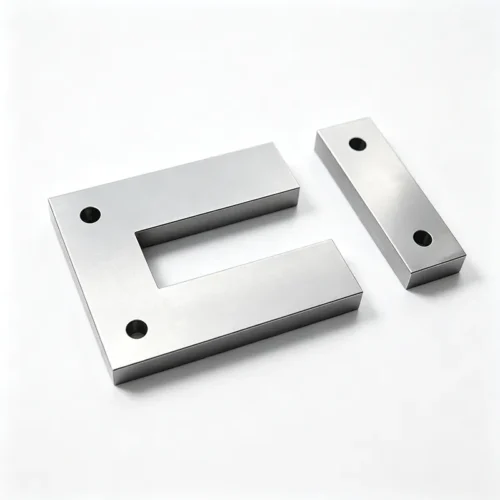
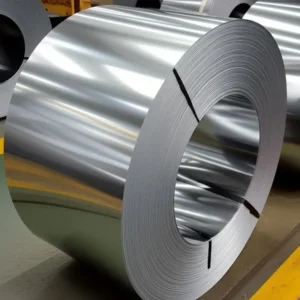
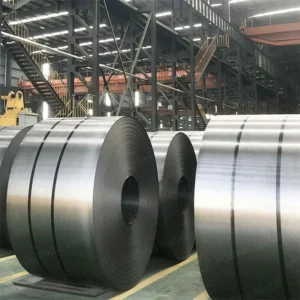
Give the thickness, the width, the coating class, and the burr ceiling. Those four fields then fix the edge budget. Add the stack height and the resistance target, whenever the core is already wound. A CRGO coil then ships with its edge record attached. A silicon steel sheet covers the thicker duty. That reply usually takes a day.
Related Reading
Our burr origin note derives the 0.02 mm ceiling. The coating note explains the film. A hub page answers six basic questions.
Frequently Asked Questions
Local resistance, since it shows without any heat.
A few percent of the no-load figure, and that sits inside the uplift.
Yes, since a spot warms while the rest stays cool.
It inflates the measured number, although packing worsens.
A loose clamp, a thin coat, or a gauge that runs thick.
- Email: vera.liang@ztwysteel.com
- Location: Xishan District, Wuxi, Jiangsu, China
- Supply range: CRGO and CRNGO 0.20–0.65 mm, four coating classes
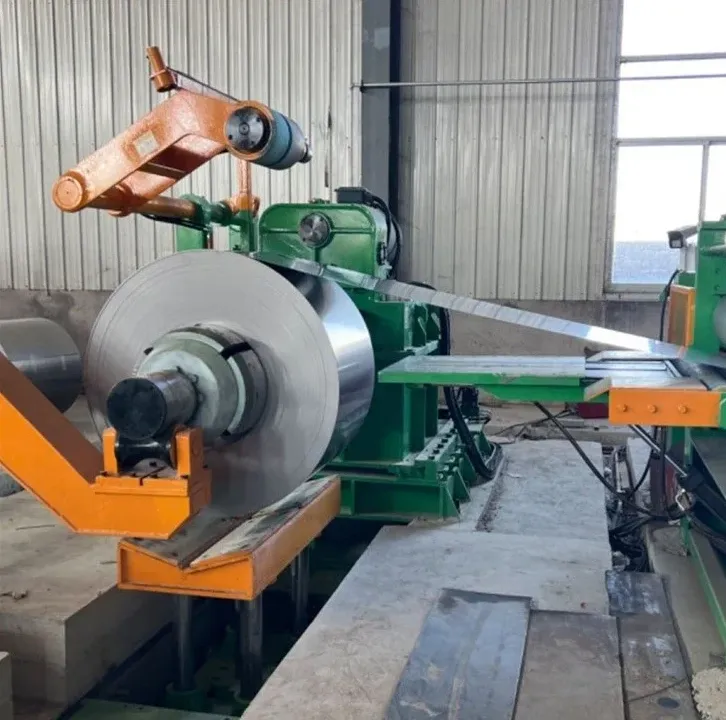
- Slitting: 20–1,250 mm, ±0.05 mm, burr under 0.02 mm
- Documentation: MTC EN 10204 3.1 with grade, thickness and loss basis, 3.2 on request




 English