

What Does 27QG120 Mean?
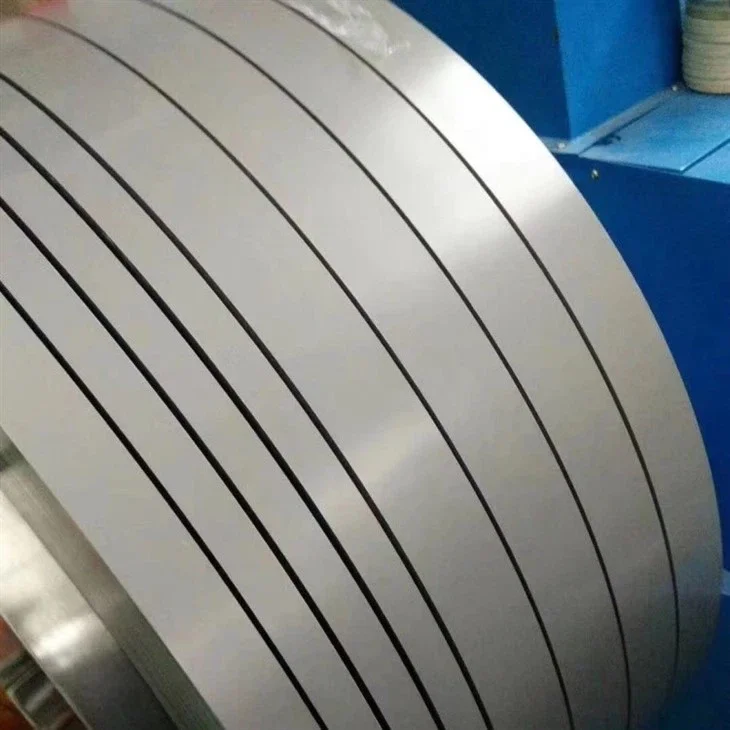
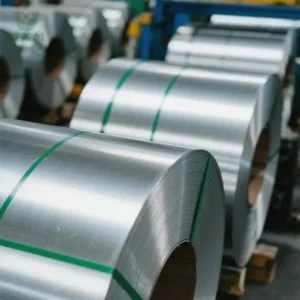
One short string carries thickness, family, texture, and loss, and each part hides a decimal point. 27QG120 reads left to right as four fields, since the code compresses four facts into six characters. Jiangsu Zhongtong Weiye Special Steel Co., Ltd. walks the string below, using a grain oriented electrical steel sheet as the example.
The Short Answer
27QG120 means 0.27 mm thick, grain oriented, high induction, and 1.20 W/kg at 1.7 T. The first two digits give thickness in hundredths of a millimetre. The letters name the family, and the last three digits give loss in hundredths of a watt. Hence the whole code is readable once you know where each decimal sits, since the pattern never varies.
Field One — 27
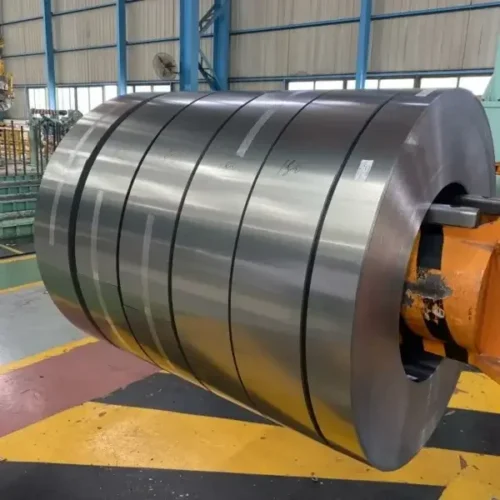
The leading pair states thickness, and the decimal sits two places in. So 27 means 0.27 mm, while 30 means 0.30 mm and 23 means 0.23 mm. A tolerance of 5 percent then applies, so the real range lands near 0.256 to 0.284 mm. Therefore, the code names a nominal gauge rather than an exact one.
Field Two — Q
The Q marks a grain oriented sheet, and it separates this family from the non-oriented one. That letter promises a Goss texture, so the easy axis follows the rolling direction. It also warns that a corner will pay a direction tax, because the flux must turn across the sheet. Hence the Q is the single most important character in the string.
Field Three — G
A G after the Q flags the high-induction family, so 27QG120 belongs with Hi-B rather than the regular grade. A silicon electrical steel sheet of the same gauge shows the gap on a test core. The extra letter reflects an aluminium nitride route and a sharper texture. It also explains why the same thickness can carry a lower loss figure. Hence one letter separates two processes.
Field Four — 120
The trailing three digits give loss at 1.7 T, with two decimal places. So 120 means 1.20 W/kg, and 85 would mean 0.85 W/kg. The basis matters as much as the value, since a figure from another induction cannot be ranked. A silicon steel sheet quoted at 1.5 T therefore sits on a different scale. Therefore, read 120 as 1.20, and never as a whole number.
What the Code Does Not Say
Five facts stay outside the string, and each one changes the order. The coating class is absent, although C3 and C5 differ in film weight and in stacking factor. The width and the coil mass are absent too, although both change the freight. So is the standard behind the figure, whether that standard is GB, EN, or ASTM. Finally, the surface condition and the tolerance band never appear. Hence a purchase order needs four more fields than the label.
Reading It Against a Weight
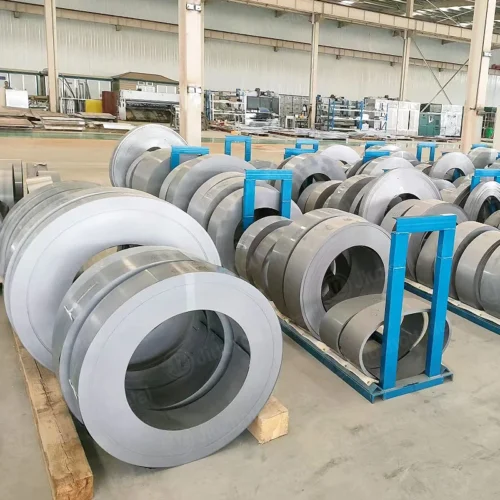
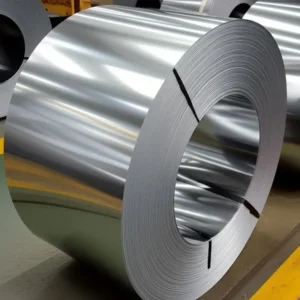
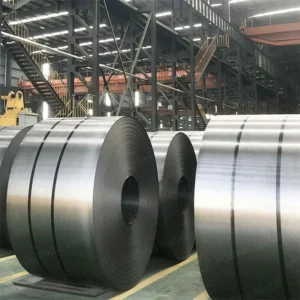
At 0.27 mm a square metre of sheet weighs near 2.12 kg, since density holds at 7.85 g/cm³. That figure drives every freight quote, though few buyers check it. A slit width of 1,250 mm then gives about 2.65 kg per running metre. A CRGO coil of that width therefore carries long tonnage, because the section stays thin. Five tonnes then runs near 1,887 metres, since mass divides by line weight. Therefore, the thickness field drives both the price and the freight.
The Two Digits People Misread
Most confusion lands on two spots, since both involve a decimal shift. A buyer reads 120 as a whole number and expects 120 W/kg, which no sheet survives. Another reads 27 as a millimetre figure and therefore orders a plate. A third reads QG as Q and prices the cheaper family. Hence the code punishes a fast glance.
Why the Basis Still Matters
A 1.20 W/kg figure at 1.7 T describes a different duty from 4.70 W/kg at 1.5 T. The two cannot be ranked side by side, since the induction differs. Our flux density note explains why the basis travels with the number. Therefore, compare grades only at one induction.
What Goes Wrong
One buyer quotes a 27QG120 price against a 30Q120 offer and reads the gap as a discount. The families differ, though. Another orders 0.27 mm and measures the coil at 0.256 mm, then disputes a compliant tolerance. A third ignores the coating class and finds the film too thin for a wound core. Those three errors arrive monthly.
What We Do Not Do
We do not melt or roll steel. We do not change a label to match a drawing, since the mill names the grade. Nor do we quote a coating class that the certificate omits.
Those limits keep the answer honest. They also keep the code readable, since a label states only what the mill tested.
Specify Your Order
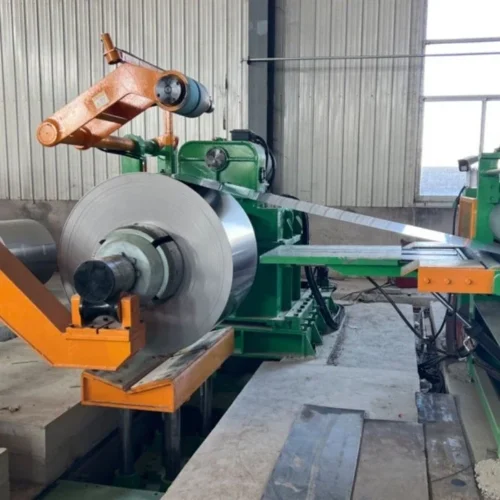
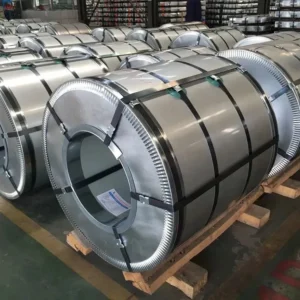
Give the code, the width, the coating class, and the coil mass, since four fields build a real order. A label alone cannot. Add the standard when a certificate must match one. A CRGO coil then ships with its code printed on the label. A cut core arrives with the same string attached. That reply usually takes a day.
Related Reading
The Hi-B note explains what the G buys. Our RGO note covers the family without that letter. A grade guide maps the whole naming set.
Frequently Asked Questions
Yes, at 0.27 mm after the decimal shift.
The high-induction family.
No, it means 1.20 W/kg.
1.7 T for oriented grades.
No, that field stays outside it.
- Email: vera.liang@ztwysteel.com
- Location: Xishan District, Wuxi, Jiangsu, China
- Supply range: CRGO and CRNGO 0.20–0.65 mm, four coating classes
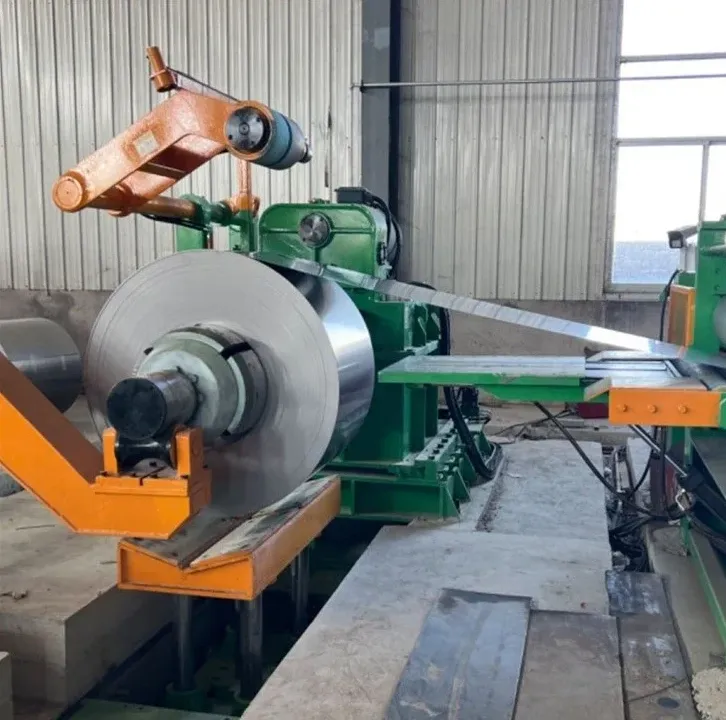
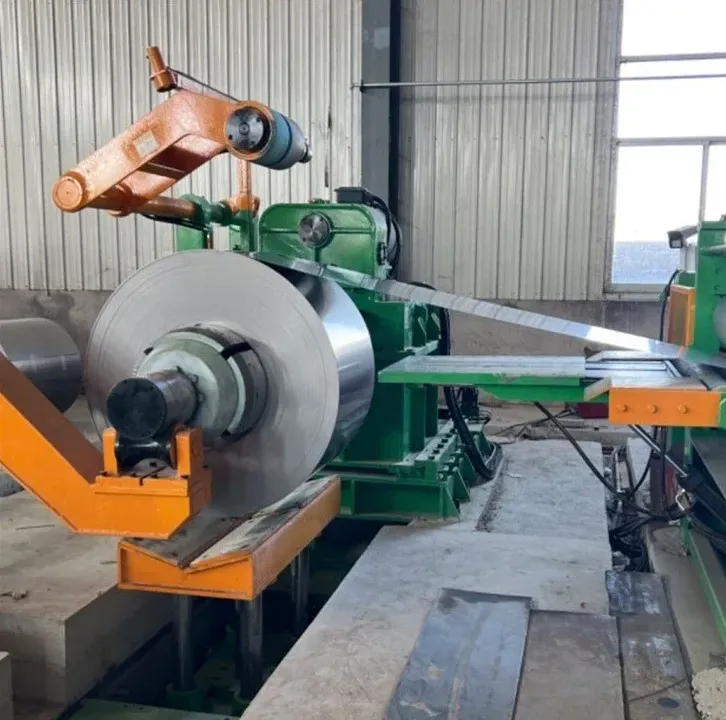
- Slitting: 20–1,250 mm, ±0.05 mm, burr under 0.02 mm
- Documentation: MTC EN 10204 3.1 with grade, thickness and loss basis, 3.2 on request



 English