
Practical Cases of Steel Material Application
Every structural or mechanical project is really a series of material-selection decisions. The “right steel” depends on what the part has to survive: abrasion, corrosion, cyclic load, heat, or electrical duty. Looking at how real projects specify steel in each industry makes the choice easier than reading a datasheet in isolation.
Case 1 — Mining Equipment That Survives Abrasion
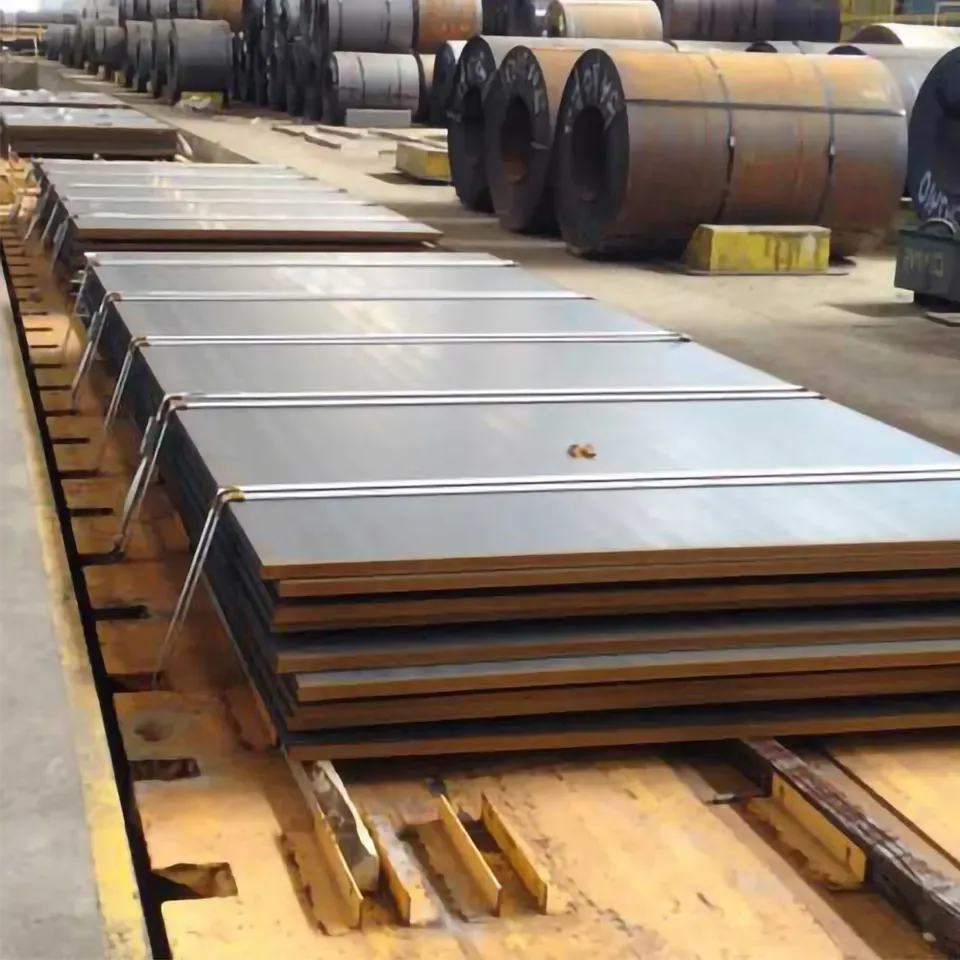
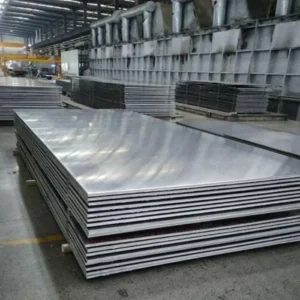
In open-pit mining, dump truck beds, crusher liners, and hopper chutes see continuous impact and sliding abrasion from rock. Ordinary structural steel wears through in months. The standard upgrade is quenched-and-tempered wear plate: 400HB Wear Resistant Steel Plate balances abrasion resistance with bendability for fabricated chute liners, while 500HB Wear Resistant Steel Plate is reserved for the most severe crushing and screening surfaces where maximum hardness matters more than cold bending. For Chinese-spec projects, NM360 Steel Plate is a commonly specified wear grade for excavator buckets and bulldozer edges. The payoff is not just longer life—it is fewer shutdowns for liner replacement.
Case 2 — Motors and Generators That Run Cool
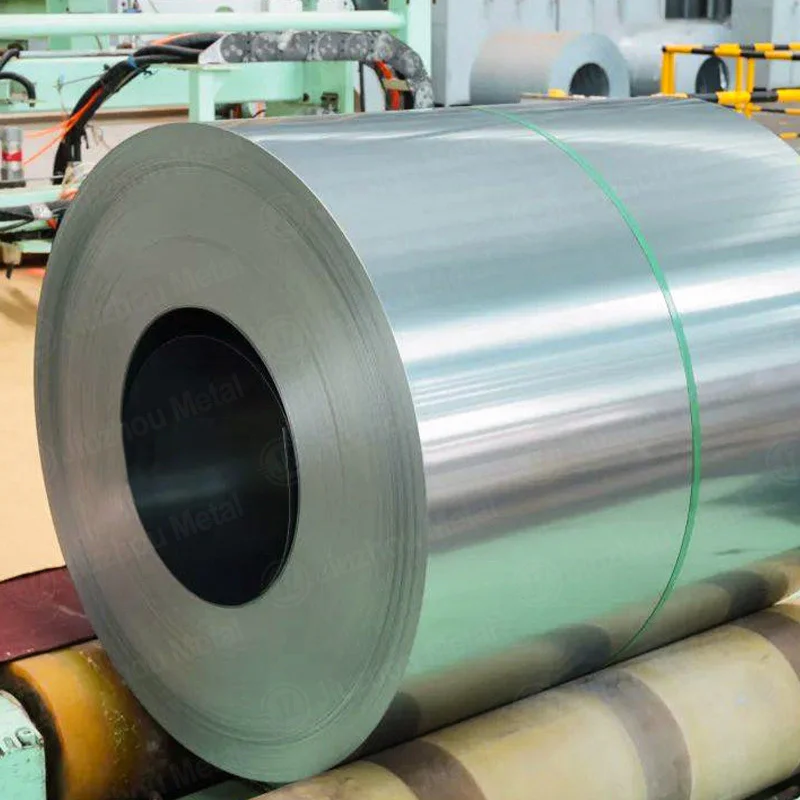
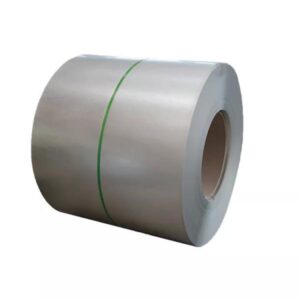
Behind every industrial motor, wind turbine generator, and pump is a stator or rotor core made from electrical steel. Where grain-oriented steel serves transformers, non-oriented silicon steel serves rotating machines because flux direction changes constantly as the rotor turns. In a recent industrial motor program, 50W470 Non-Oriented Electrical Steel was specified for medium-voltage motor stators: the 0.50 mm thin gauge keeps core loss low at 50/60 Hz, and the consistent magnetic properties across the coil make mass-produced lamination stacks predictable. The result is a motor that meets IE3 / IE4 efficiency without overdesigning the lamination thickness.
Case 3 — Electrical Distribution and Grounding
Not every “steel” application is structural. In substations, switchgear, and industrial busbar systems, conductivity matters more than tensile strength. C11000 / T2 Copper Plate is the standard choice for busbar and grounding grid components: its 101% IACS conductivity handles high fault currents, and the plate form is easy to shear, drill, and bolt into assemblies. The material choice here is not about loads—it is about keeping resistance low so the system does not overheat under continuous load.
Case 4 — Chemical Process Vessels in Corrosive Service
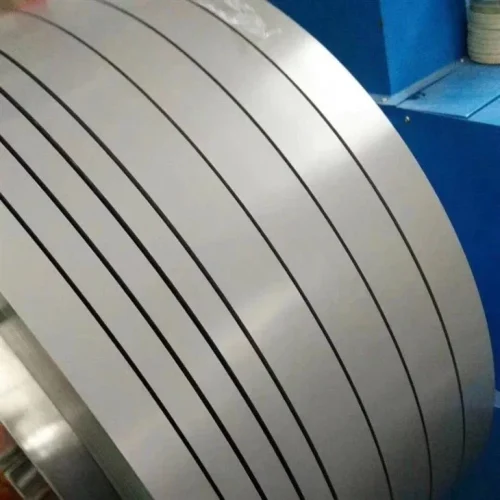
Where a structural steel or stainless vessel would corrode within a year, nickel-alloy cladding or plate earns its premium. In a mixed-acid scrubber project, Hastelloy C-22 Coil/Strip was selected for the internal lining: it resists both oxidizing acids (nitric, ferric) and reducing acids (hydrochloric, sulfuric) across a wide pH range, and its higher chromium content compared to older C-grade alloys improves pitting resistance in chloride-bearing exhaust. The vessel is built from carbon steel outer shell with C-22 cladding—cheaper than solid alloy while still giving the wetted surface the corrosion performance it needs.
Case 5 — Bridges and Structural Fabrication
For bridge decks, gusset plates, and heavy structural fabrication, the choice is usually a trade between weldability, toughness at low temperature, and available section size. Where standard carbon structural steel hits its limits on fatigue or weathering, buyers move to higher-strength low-alloy grades or wear-resistant plate for moving parts. The common thread across these projects is specifying the section, finish (rolled, normalized, QT), and impact-test requirement up front, so the mill delivers a plate that can be welded without preheat procedures the fabricator cannot support.
What These Cases Have in Common
None of these projects bought “steel” generically. Each one matched the material to the dominant failure mode: wear parts got abrasion-resistant plate, rotating machines got non-oriented electrical steel, current-carrying parts got conductive copper, and corrosive wetted parts got nickel-alloy cladding. The grade name on the purchase order is less important than knowing which property you are paying for.
Tell Us Your Application
Send us a description of the part, the service environment, and any standards you need to meet. We will recommend the right grade—wear plate, electrical steel, copper, or nickel alloy—and quote plate, sheet, strip, or coil cut to your dimensions.
- Email: vera.liang@ztwysteel.com
- Location: Xishan District, Wuxi, Jiangsu, China
- Supply range: wear-resistant plate, electrical steel, copper plate/tube, Hastelloy / Inconel / Monel, mold and tool steel
- Documents: mill test certificate, chemistry and mechanical property report, export packing
We reply within one working day with grade options and lead time.





 English