Detailed Explanation of the Basic Definition and Material Structure of Tinplate
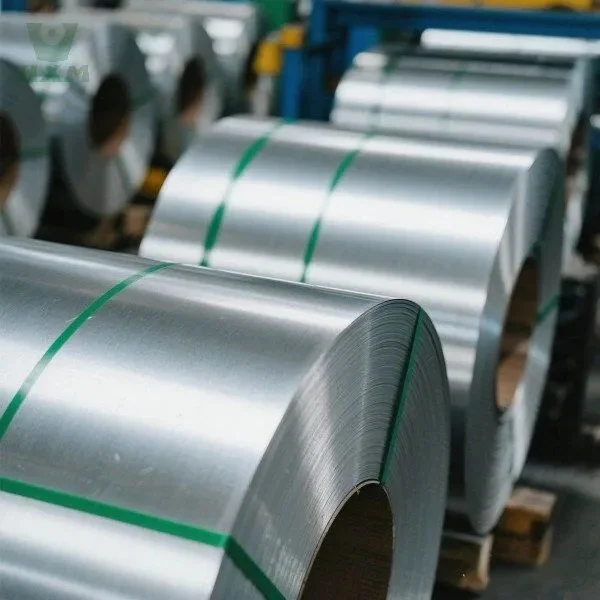
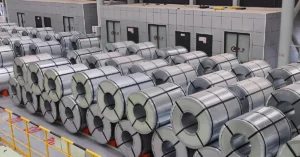
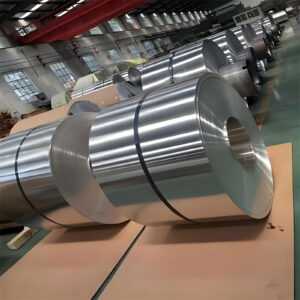
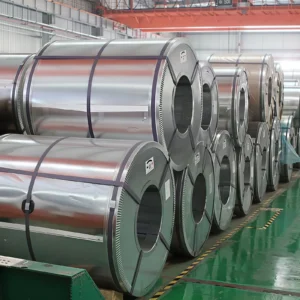
Tinplate is not a single alloy. It is a layered composite: a low-carbon steel strip coated on both surfaces with a thin layer of commercially pure tin. Understanding its structure layer by layer explains why it behaves the way it does—why it can be deep-drawn, soldered, lacquered, and food-safe, all from the same sheet.
The Outermost Layer: Pure Tin
The visible surface is 99.9%+ pure tin. Its job is to be non-toxic, corrosion-resistant, and solderable. In electrolytic tinplate, the coating weight is specified in grams per square meter per side—common grades run 1.1/1.1, 2.8/2.8, or 5.6/2.8 g/m², which translates to roughly 0.15–0.75 microns of tin per side. That sounds impossibly thin, but tin oxidizes to a protective passive film, so even a thin layer seals the steel underneath.
The Interface: Fe-Sn Alloy Layer
Between the pure tin and the steel base sits a very thin intermetallic layer—FeSn and FeSn₂—formed during the melting (reflow) step after electroplating. This layer is what makes the coating adhere instead of flaking. It is also why scratching tinplate exposes steel that rusts quickly: once the tin and alloy layer are breached, the steel substrate has no protection of its own.
The Core: Low-Carbon Steel Base
Roughly 99% of the sheet thickness is the steel itself. Tinplate uses ultra-low-carbon steel (about 0.04–0.12% C), which is soft enough for deep drawing and flexible enough for high-speed can-making. The base gauge defines the product family:
- Single-reduced (SR) 0.15–0.49 mm for general cans and bakeware.
- Double-reduced (DR) 0.13–0.24 mm, work-hardened for lighter-weight food cans where rigidity comes from temper rather than thickness.
The temper grade (T1–T6) is a property of this steel base, not the tin coating.
The Finish Layer: Passivation and Oil
On top of the pure tin there is a microscopic passivation film (chromate or chromate-free) and a thin layer of food-grade oil. These two layers prevent the tin from tarnishing or fingerprinting in storage. They are invisible but critical: without them, tinplate arrives at the can-maker discolored and the lacquer does not adhere.
Why This Layered Design Matters
Each layer does one job the others cannot: the steel supplies strength at low cost, the alloy layer supplies adhesion, the pure tin supplies the corrosion-resistant and food-safe surface, and the passivation/oil supplies shelf stability. This is why tinplate beats solid copper, solid aluminum, or coated steel for food cans—each material would have to do all four jobs alone and compromise on at least one.
Similar Layered and Clad Metals We Supply
The “substrate + functional layer” design logic extends to other materials we ship. Where tinplate uses tin on steel, other industries specify different coating-substrate pairs:
- Copper and brass plate for plating: C27400 / H63 Brass Plate is commonly further tin-plated or nickel-plated by fabricators for switchgear and decorative hardware, much as tinplate receives lacquer.
- Copper-nickel tubing: C71000 Copper Pipe is itself a copper-nickel alloy—think of it as a “bulk” corrosion-resistant layer rather than a plated one, used in marine and heat-exchanger service.
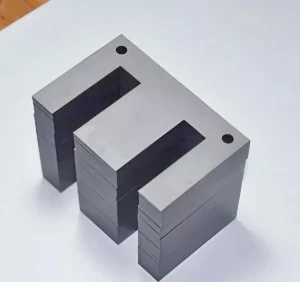
- Electrical steel with insulation coating: like tinplate, non-oriented electrical steel relies on a thin surface coating for its function. 50W800 Non-Oriented Electrical Steel arrives with its own inter-laminar insulation already applied, ready for stamping into motor laminations.
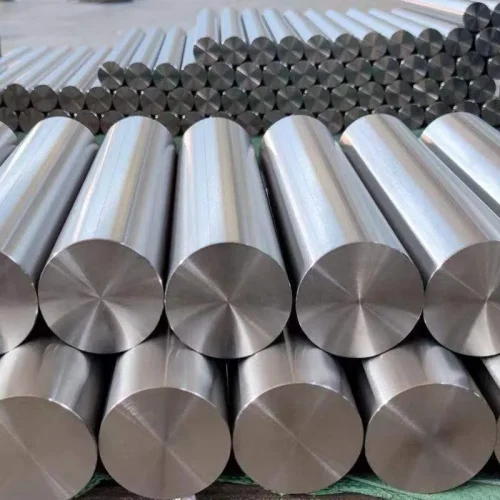
- Bulk nickel-alloy bar: for wetted parts where plating would wear through, solid alloy is used instead. Hastelloy B-2 Bar supplies nickel-molybdenum corrosion resistance throughout the cross-section rather than only at the surface.
Source Coated or Solid Alloy Material
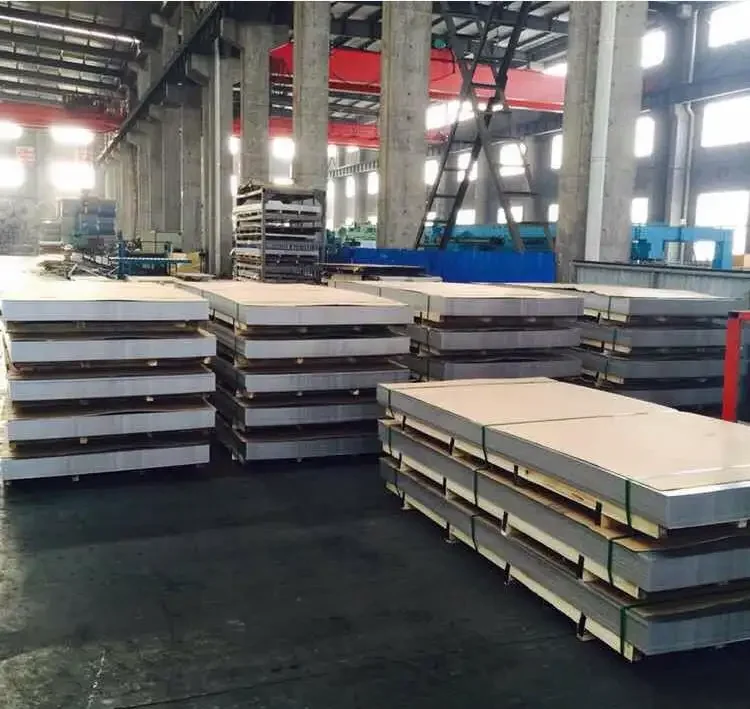
If your project calls for tinplate substrate, copper or brass plate for further plating, coated electrical steel, or solid nickel-alloy bar, send us your gauge, temper, coating, and dimensions. We supply coil, sheet, pipe, and bar with mill certificates.
- Email: vera.liang@ztwysteel.com
- Location: Xishan District, Wuxi, Jiangsu, China
- Forms: coil, sheet, pipe, bar
- Materials: electrical steel, copper & brass plate/pipe, nickel alloys, wear plate, mold steel
We reply within one working day with stock and lead time.