
What Does 50W470 Mean?
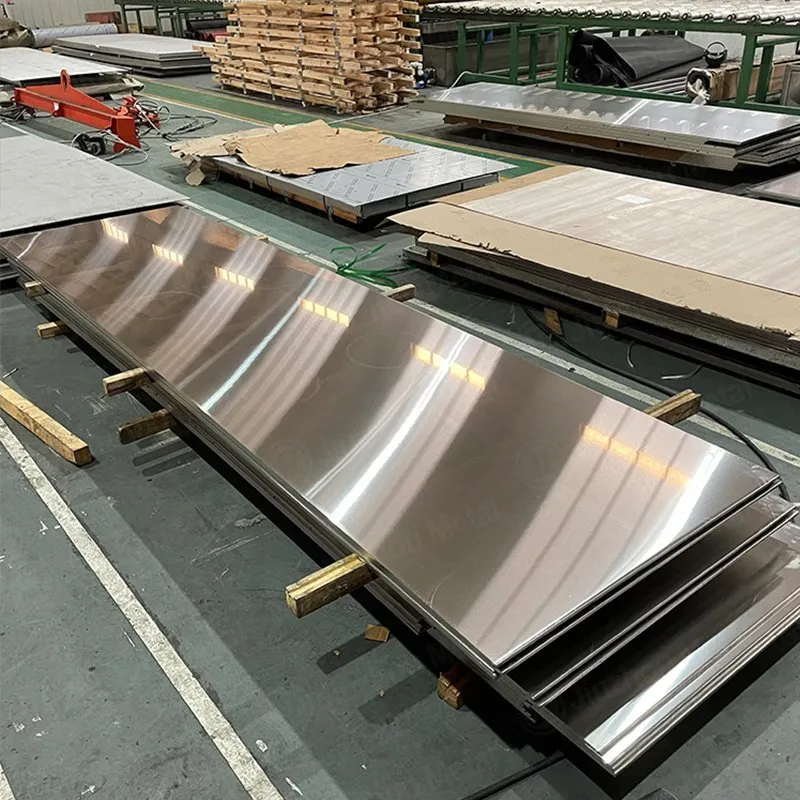
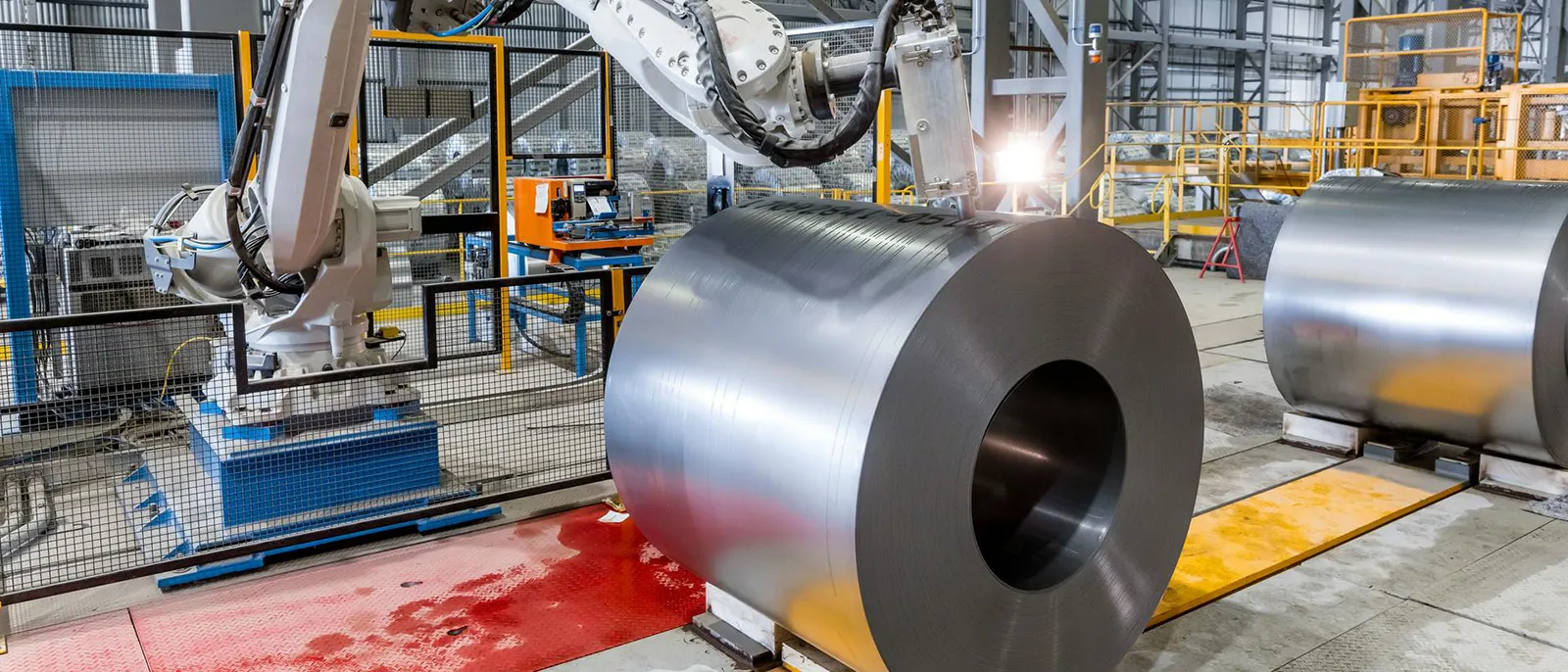
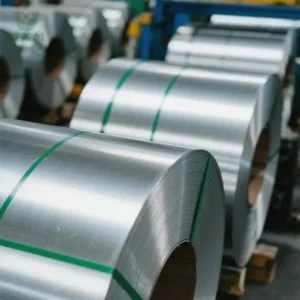
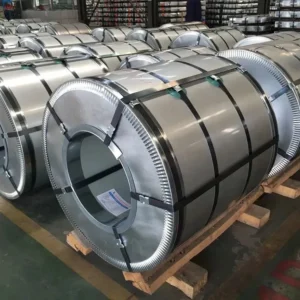
One coil can carry two names, and the two set their fields in opposite order. 50W470 is the Chinese name for a 0.50 mm non-oriented sheet. It reads 4.70 W/kg, since the thickness leads and the loss trails. Jiangsu Zhongtong Weiye Special Steel Co., Ltd. reads the mirror below, using a non-oriented electrical steel sheet as the example.
The Short Answer
50W470 means 0.50 mm thick, non-oriented, and 4.70 W/kg measured at 1.5 T. The first pair gives gauge in hundredths of a millimetre. The W marks the non-oriented family, and the last three digits give loss in hundredths of a watt. Hence one string answers three questions and leaves the basis to a standard.
One Coil, Two Names
The same coil also answers to M470-50A under European naming, since that name reverses the order. There the loss leads at 470, and the thickness follows at 50. A buyer holding both sheets would see two codes for one product. An oriented family carries a mirror of its own, and a CRGO coil shows the same habit. Therefore, the mirror is a convention rather than a quality signal.
Why the Mirror Exists
Two standards each put their own headline first, since each reflects a different user. The Chinese convention leads with geometry, because a fabricator cuts to a thickness. The European convention leads with performance, because a designer buys watts. Hence the order tells you who the standard was written for.
The Cost of Reading It Backwards
Swap the fields and the name stops making sense. A 4.70 mm strip is a plate, while 0.470 W/kg is beyond any 0.50 mm sheet. One buyer reads 470 as a gauge and asks for a 4.7 mm strip. Another reads 50 as a loss and expects 0.50 W/kg. Therefore, the mirror punishes a habit carried over from the other standard.
The W Letter
The W marks non-oriented steel, so the grains point at random and the sheet behaves alike in every direction. That randomness costs flux density but buys cheap stamping, since a lamination can be rotated without penalty. A silicon electrical steel sheet of the same family therefore suits motors better than transformers. That is why stator laminations dominate this grade. Hence the W is the letter that decides the application.
Why 1.5 T and Not 1.7
A non-oriented grade quotes its loss at 1.5 T, while an oriented grade quotes at 1.7 T. The lower basis reflects a lower usable induction, since these grains saturate sooner. So a 4.70 W/kg figure sits on a different scale from a 1.20 W/kg figure. The flux density note explains why. Therefore, never rank the two families on the raw numbers.
The Last Three Digits Are a Ladder
Keep the thickness fixed and the trailing digits climb, so 50W470, 50W800, and 50W1300 form one ladder of rising loss. Each step trades watts for price, since a cleaner steel or a longer anneal costs more. The thin gauge note follows the same ladder at 0.35 mm. A designer picks the rung that the thermal budget allows, because each step charges more. Hence the family name stays still while the rung moves.
What the String Never Says
Four items sit outside the code, and each one changes the coil. The coating class is missing, although C3 and C5 differ in film weight. Width and coil mass stay outside as well. The European suffix A also flags a semi-processed sheet, which the Chinese name does not mark. Therefore, a full order needs more fields than a label.
A Weight and Price Sanity Check
At 0.50 mm a square metre weighs 3.925 kg, since density holds at 7.85 g/cm³. A slit width of 1,250 mm then gives 4.906 kg per running metre. Five tonnes therefore runs near 1,019 metres. CRNGO of this class trades near 850 to 1,200 USD per tonne FOB. Hence a quote that misses those figures deserves a second look, since mass drives the freight.
What Goes Wrong
One buyer asks for 470 mm width after reading the loss digits as a size, though 470 names a loss. Another compares 50W470 with a 1.7 T grade and therefore concludes the oriented sheet is far better. A third orders a semi-processed sheet without the anneal step that goes with it. Those three errors arrive monthly.
What We Do Not Do
We do not melt or roll steel. We do not rewrite a grade name to match a local habit, since the mill owns the label. Nor do we quote a European equivalent that no certificate supports.
Those limits keep the answer honest, and they keep the mirror readable.
Specify Your Order
Give the name, the width, the coating class, and the coil mass, since four fields build a real order. Add the standard when a certificate must match one, since GB and EN name the same coil differently. A silicon steel sheet then ships with both names on request. A cut core arrives already stamped. That reply usually takes a day.
Related Reading
The grade guide maps every naming pattern in use. Our oriented note reads the mirrored family in the other direction. A hub page answers six basic questions.
Frequently Asked Questions
Yes, 0.50 mm after the decimal shift.
Non-oriented, meaning random grains.
No, it means 4.70 W/kg at 1.5 T.
M470-50A, with the fields reversed.
Yes, since both describe one product.
- Email: vera.liang@ztwysteel.com
- Location: Xishan District, Wuxi, Jiangsu, China
- Supply range: CRGO and CRNGO 0.20–0.65 mm, four coating classes
- Slitting: 20–1,250 mm, ±0.05 mm, burr under 0.02 mm
- Documentation: MTC EN 10204 3.1 with grade, thickness and loss basis, 3.2 on request




 English