
Ensuring Long-Term Supply Stability for High-Quality Electrical Silicon Steel Coils: A Comprehensive Guide
Ensuring Long-Term Supply Stability for High-Quality Electrical Silicon Steel Coils: A Comprehensive Guide
In the realm of electrical manufacturing, the demand for high-quality silicon steel coils is ever-present. These coils are pivotal in the production of various electrical appliances, from transformers to motors. However, ensuring a long-term supply of these coils can be a complex task. This comprehensive guide aims to address the challenges and provide insights into maintaining a stable supply chain for high-quality electrical silicon steel coils.

Understanding the Importance of Silicon Steel Coils
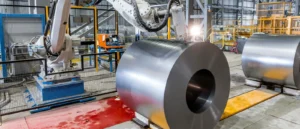
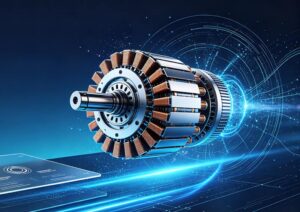
Silicon steel coils are essential components in electrical engineering due to their high magnetic permeability and low core loss. They are used in the manufacturing of transformers, motors, generators, and other electrical equipment. The quality of these coils directly impacts the efficiency and performance of the final product. Therefore, securing a consistent supply of high-quality silicon steel coils is crucial for manufacturers.
Identifying Potential Challenges
1. Fluctuations in Raw Material Availability
The production of silicon steel coils relies on the availability of high-grade raw materials, primarily iron and silicon. Fluctuations in the supply of these materials can disrupt the production process. For instance, mining activities can be affected by environmental regulations, geopolitical issues, or natural disasters, leading to shortages.
2. Quality Control Issues
Maintaining consistent quality in silicon steel coils is challenging. Variations in the composition of the raw materials, differences in manufacturing processes, and the use of substandard equipment can all lead to inconsistencies in the final product. These quality issues can result in reduced performance and increased costs for manufacturers.
3. Supply Chain Disruptions
The global supply chain for silicon steel coils is complex and involves multiple stakeholders, including raw material suppliers, manufacturers, and distributors. Disruptions at any point in this chain can lead to delays and shortages. For example, transportation issues, trade policies, and economic downturns can all impact the supply of silicon steel coils.
Strategies for Ensuring Long-Term Supply Stability
1. Diversifying Raw Material Sources
To mitigate the risk of raw material shortages, manufacturers should diversify their sources. This can involve establishing relationships with multiple suppliers, investing in alternative materials, or even investing in the extraction of raw materials. Diversification ensures that a single disruption does not severely impact the supply chain.
2. Implementing Rigorous Quality Control Measures
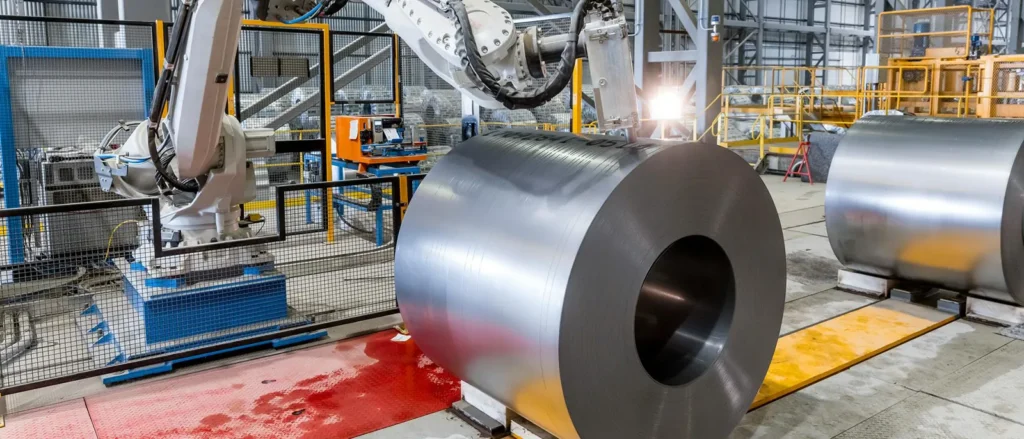
Quality control is essential to maintaining the performance and reliability of silicon steel coils. Manufacturers should implement rigorous quality control measures at every stage of the production process. This includes testing raw materials, monitoring the manufacturing process, and conducting final inspections before delivery. Advanced technologies such as automated inspection systems can help in detecting and correcting quality issues early.
3. Strengthening Supply Chain Relationships
Building strong relationships with suppliers, manufacturers, and distributors can help in identifying potential disruptions early and finding solutions. Collaborative planning and communication are key to ensuring a stable supply chain. For instance, sharing forecasts and production schedules can help in aligning supply and demand.
4. Investing in Research and Development
Continuous investment in research and development can lead to innovations in the production of silicon steel coils. This can include the development of new materials, more efficient manufacturing processes, and improved quality control techniques. Such innovations can enhance the performance of silicon steel coils and reduce production costs.
Conclusion
Ensuring long-term supply stability for high-quality electrical silicon steel coils requires a multifaceted approach. By diversifying raw material sources, implementing rigorous quality control measures, strengthening supply chain relationships, and investing in research and development, manufacturers can mitigate risks and maintain a consistent supply. This comprehensive guide has provided insights into the challenges and strategies involved in securing a stable supply of high-quality electrical silicon steel coils, thereby contributing to the efficiency and performance of electrical appliances and systems.
Keywords
Silicon steel coils, electrical manufacturing, supply chain stability, quality control, raw materials, manufacturing processes, transformers, motors, generators, research and development, supply chain disruptions, raw material availability, quality issues, supply chain relationships.





 English