

The Science Behind Reflow Technology in Tin Plating Processes
Tin reflow plating melts the electroplated tin layer just enough to flow. Consequently, the matte gray deposit turns bright and mirror-like. Furthermore, the tin bonds more tightly to the steel. The process runs at just above tin’s melting point (232°C). Here is how it works step by step.
Step 1: Electroplating
First, the steel strip receives an electroplated tin layer. This deposit is matte gray and granular. Furthermore, it measures the specified weight (e.g. 2.8 g/m² per side). However, the as-plated surface is rough and oxidizes quickly.
Step 2: Flux Application
Next, the strip passes through a mild flux. This removes surface oxide. Furthermore, it helps the molten tin wet the steel evenly. Without flux, the tin beads up and leaves bare spots.
Step 3: Induction or Furnace Heating
The strip then enters a reflow oven. Induction heating raises the surface to 235–250°C in seconds. Consequently, the tin melts and flows. Furthermore, the iron-tin intermetallic layer grows slightly, improving adhesion.
Step 4: Rapid Cooling
Immediately after melting, the strip hits a water quench. This freezes the bright tin surface. Furthermore, it prevents the tin from dulling as it cools in air. Consequently, the surface stays mirror-bright.
Step 5: Passivation and Oiling
Finally, the strip receives chromate passivation and palm oil. This seals the surface against oxidation. Furthermore, it preserves the bright finish through shipping and storage.
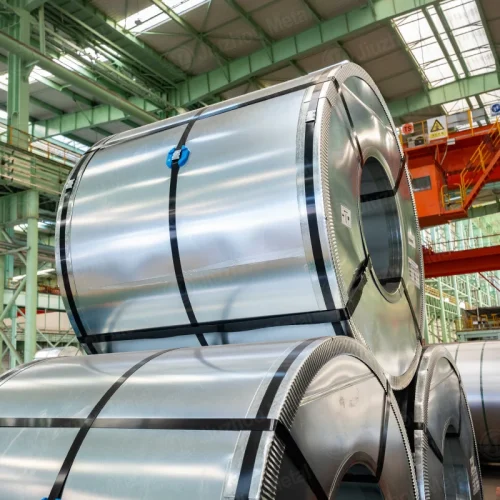
Why Reflow Matters
Without reflow, electroplated tin is:
- Matte gray, not bright.
- More prone to whiskers.
- Less solderable.
- More likely to peel when bent.
Consequently, almost all food-can tinplate goes through reflow.
Common Reflow Defects
| Defect | Cause | Fix |
|---|---|---|
| Dull patches | Under-heated | Raise oven temp |
| Tin drips | Over-heated | Lower speed or temp |
| Peeling | Poor flux | Adjust flux concentration |
| Rough surface | Dirty strip | Clean pre-treatment |
Related Plated and Stripped Metals We Supply
We ship base metals that downstream platers reflow or coat:
- C11000 / T2 Copper Plate for tin-plated busbars.
- C26800 / H65 Brass Strip for tin-plated connectors.
Specify Your Reflow Stock
Tell us your plating process and required base material. We will recommend the correct temper and surface condition.
- Email: vera.liang@ztwysteel.com
- Location: Xishan District, Wuxi, Jiangsu, China
- Supply range: tinplate, copper plate/strip, brass strip, nickel alloys
- Documentation: MTC with chemistry, temper, surface finish, and dimensions
- Tin weights: 1.1–11.2 g/m² per side
We reply within one working day.





 English