

A Detailed Performance Comparison of New and Old Tin-Plated Sheets
Modern tinplate bears little resemblance to the hot-dipped sheet of the 1960s. Today’s product runs thinner, more uniformly coated, and more consistent. Consequently, can lines run faster and food safety improves. However, old tinplate stock sits in some warehouses. Here is how the two compare.
Side-by-Side Comparison
| Parameter | Old hot-dipped tinplate | Modern electrolytic tinplate |
|---|---|---|
| Tin coating | 15–30 g/m², uneven | 1.1–11.2 g/m², uniform |
| Thickness | 0.30–0.50 mm | 0.15–0.30 mm |
| Coating method | Hot dip | Electroplated |
| Adhesion | Variable, peels | Consistent, bends clean |
| Surface | Dull, streaky | Stone or bright finish |
| Speed on can line | Slow | 1,000+ cans/min |
| Shelf life | 12 months typical | 24 months sealed |
Difference 1: Coating Uniformity
Old hot-dipped tin had thick and thin patches. Furthermore, the tin pooled at edges. Consequently, rust started at thin spots. Modern electrolytic tinplate applies a uniform coat by electrochemistry. Consequently, every square millimeter carries the specified weight.
Difference 2: Thickness and Weight
Modern tinplate runs 0.15–0.20 mm. Furthermore, it uses 40% less steel per can than 1970s stock. Consequently, freight cost per can dropped. However, thinner gauge needs bead patterns to keep stack stiffness.
Difference 3: Adhesion
Old tinplate peeled when bent. Furthermore, the flaking tin contaminated food. Modern reflowed tinplate bonds metallurgically to the steel. Consequently, it bends 180 degrees without flaking.
Difference 4: Surface Finish
Old tinplate had streaks and oil stains. Furthermore, printing ink did not adhere reliably. Modern stone finish takes ink evenly. Consequently, modern can graphics print sharp and consistent.
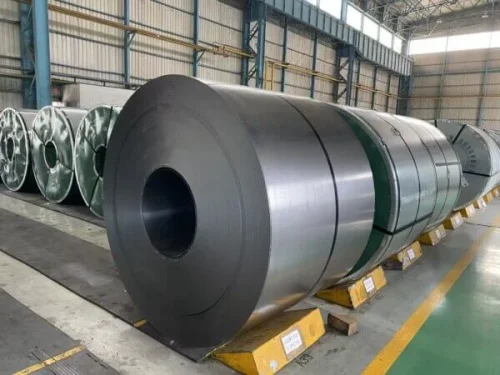
Why Old Stock Fails on Modern Lines
Can lines run at 1,000+ cans per minute. Consequently, they demand flat, consistent, uniformly coated stock. Old hot-dipped tinplate jams, scratches, and tears on high-speed dies. Furthermore, uneven tin causes pinholes and rust. Consequently, do not run old stock on a modern can line.
Related Modern Sheet We Supply
We ship modern, controlled stock:
- C11000 / T2 Copper Plate mill-finish and PVC-protected.
- C26800 / H65 Brass Strip slit to ±0.05 mm for high-speed stamping.
Know What You Are Buying
Ask your supplier for:
- Coating weight (g/m² per side).
- Temper designation (T3, DR8, etc.).
- Surface finish (stone or bright).
- Passivation type (chromate or free).
If they cannot answer, you may be buying old stock.
Get Modern Tinplate Stock
Tell us your can line speed and product type. We will confirm modern electrolytic stock and quote.
- Email: vera.liang@ztwysteel.com
- Location: Xishan District, Wuxi, Jiangsu, China
- Supply range: modern electrolytic tinplate, copper plate/strip, brass strip
- Documentation: MTC with coating weight, temper, surface finish, and passivation
- Standards: ASTM A624, EN 10203, GB/T 2520
We reply within one working day.





 English