
Analysis of the Comprehensive Advantages of Composite Tin-Plated Sheet Materials
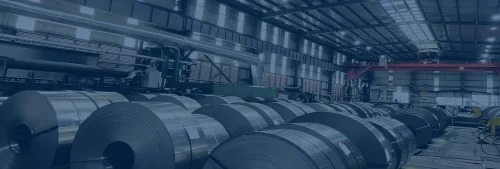
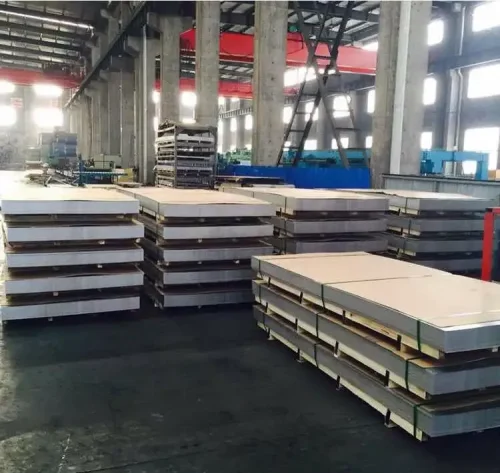
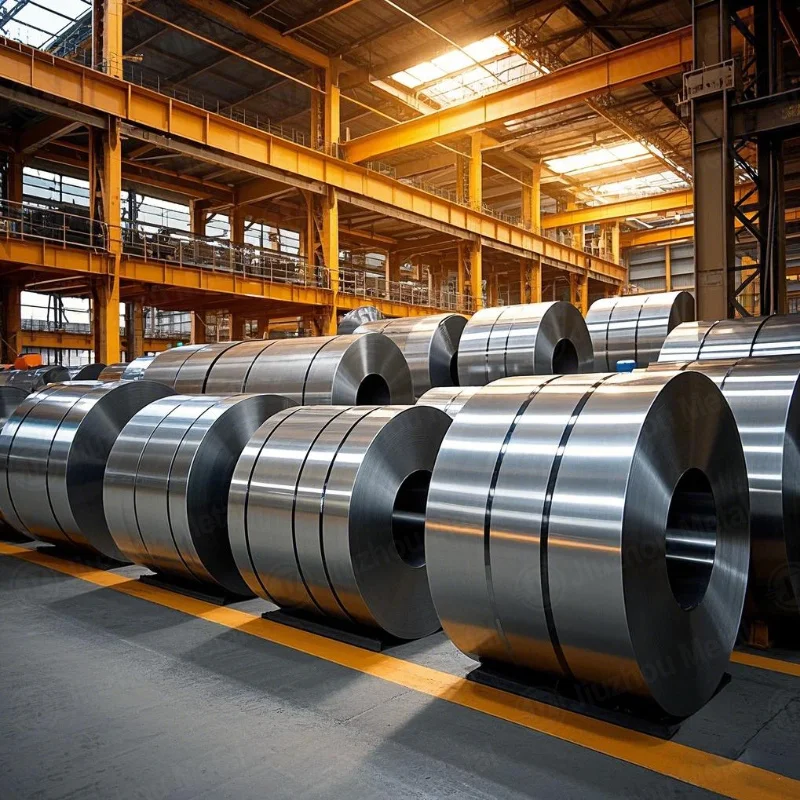
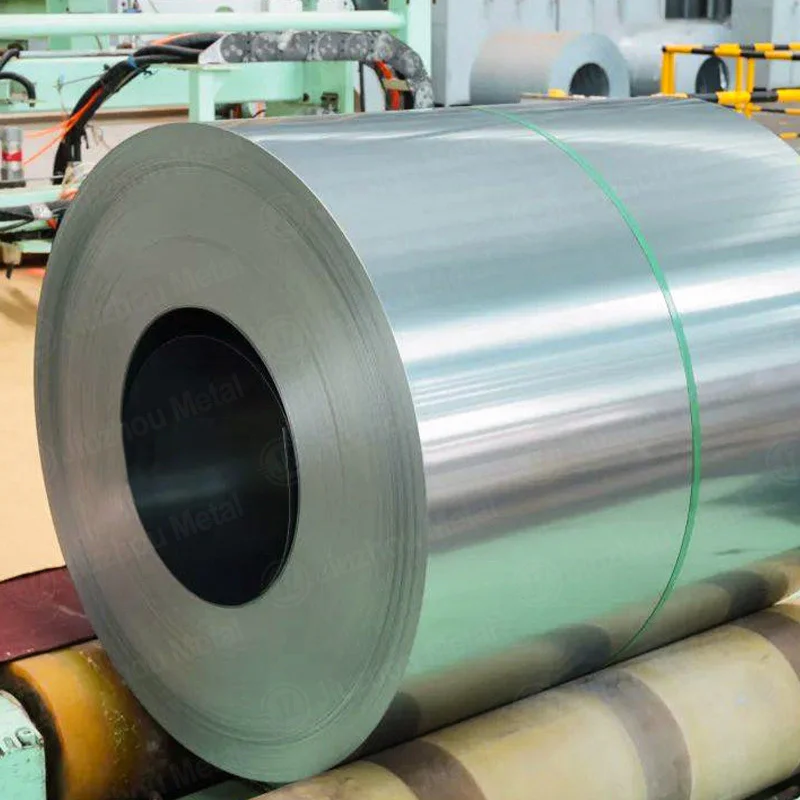
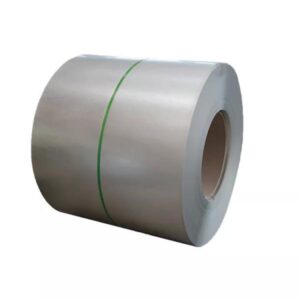
Tin plated sheet (tinplate) combines the strength of steel with the corrosion resistance of tin. Consequently, it costs far less than solid stainless or copper, yet it performs well in food packaging, electronics, and general hardware. Here are the five advantages that keep tinplate relevant after 200 years.
Advantage 1: Corrosion Resistance Without Solid Nickel Alloy
The tin layer protects steel from moisture and oxygen. Furthermore, tin does not react with most foods. Consequently, a 2.8 g/m² tin coat outlasts bare steel by decades. However, for strong acids or chlorides, solid Hastelloy C-276 Plate still wins. Tinplate handles mild environments; nickel alloys handle aggressive ones.
Advantage 2: Formability That Stainless Cannot Match
Tin is soft and ductile. Consequently, tinplate stamps, draws, and curls without cracking. Stainless steel work-hardens quickly and needs annealing between draws. Furthermore, the smooth tin surface reduces die wear. Consequently, can lines run at hundreds of cans per minute.
Advantage 3: Cost Lower Than Stainless or Copper
Tinplate costs about 40–60% of 304 stainless sheet. Furthermore, it costs less than half of C11000 / T2 Copper Plate. Consequently, for food cans, paint cans, and general hardware, tinplate wins on price. However, for electrical conductivity, copper still outperforms tinplate.
Advantage 4: Food Contact Safe and Recyclable
Tin is non-toxic and food-contact approved. Furthermore, tinplate is 100% recyclable. The steel and tin separate in reprocessing, and both reuse without quality loss. Consequently, tinplate has one of the highest recycling rates of any packaging material.
Advantage 5: Thermal and Optical Properties
Tinplate conducts heat well. Consequently, it heats and cools quickly in retort and freezer processes. Furthermore, the bright tin surface reflects light. This makes it suitable for reflectors and decorative trim.
Tinplate vs Alternatives at a Glance
| Property | Tinplate | 304 stainless | Copper |
|---|---|---|---|
| Cost | Low | Medium | High |
| Corrosion (mild) | Good | Excellent | Good |
| Corrosion (acid) | Needs lacquer | Good | Poor |
| Formability | Excellent | Fair | Excellent |
| Food safe | Yes | Yes | Yes |
| Recyclable | Yes | Yes | Yes |
When Tinplate Is Not the Right Choice
Tinplate fails in three situations:
- Strong acids or chlorides (use Hastelloy).
- High electrical conductivity (use copper).
- Structural load-bearing (use structural steel).
Consequently, choose tinplate for packaging, hardware, and light-duty corrosion service. Choose other materials for aggressive or high-load duties.
Get Tinplate Stock
Tell us your can type or hardware application. We will recommend the correct temper, tin weight, and surface finish.
- Email: vera.liang@ztwysteel.com
- Location: Xishan District, Wuxi, Jiangsu, China
- Supply range: tinplate substrates, copper plate/tube, nickel alloys, electrical steel
- Documentation: MTC with temper, tin weight, thickness, and surface finish
- Tin weights: 1.1–11.2 g/m² per side
We reply within one working day.





 English