

Tinplate corrosion resistance improvement techniques
Tinplate corrosion resistance does not come from one layer—it comes from five layers stacked on top of each other. Strip any one layer and the can fails early. Buyers who only specify “tin thickness” miss the other four. Here is how the protection system works from outside to inside.
Layer 1: Temporary Oil Film
The outermost layer is a thin film of palm oil or DOS (2–15 mg/m²). This is temporary protection for storage and transit. It blocks moisture and fingerprints, but it washes off before lacquering. Furthermore, it is not a long-term corrosion barrier.
Layer 2: Passivation Film
After tinning and reflow, the coil receives a chromate or chromate-free passivation. This nanometer-scale film stabilizes the tin oxide and prevents further oxidation. Without passivation, the tin surface grows loose oxide in storage. Consequently, the can maker receives discolored sheet that lacquers poorly.
Layer 3: Tin Coat
The tin layer itself is the primary barrier. Thickness ranges from 1.1 to 11.2 g/m² per side. More tin means more corrosion margin. However, each gram adds cost. Therefore, buyers match the tin weight to the food type:
- Neutral foods (beans, vegetables): 2.8/2.8 g/m².
- Acidic foods (tomatoes, citrus): 5.6/2.8 g/m² or heavier.
- Aggressive foods (meat, fish): 11.2/11.2 g/m².
Layer 4: Fe-Sn Alloy Layer
Between the tin and steel, a thin intermetallic Fe-Sn layer forms during reflow. This layer is brittle, but it bonds the tin to the steel. If the reflow temperature is wrong, the alloy layer grows too thick and cracks. That causes tin peeling and rust spots.
Layer 5: Internal Lacquer
For most food cans, the inside receives an organic lacquer (epoxy phenolic, polyester, or acrylic). This is the real barrier against acidic and sulfurous foods. The tin alone protects the steel; the lacquer protects the tin. Without internal lacquer, even 11.2 g/m² tin fails in tomato products within months.
Substrate Quality Matters
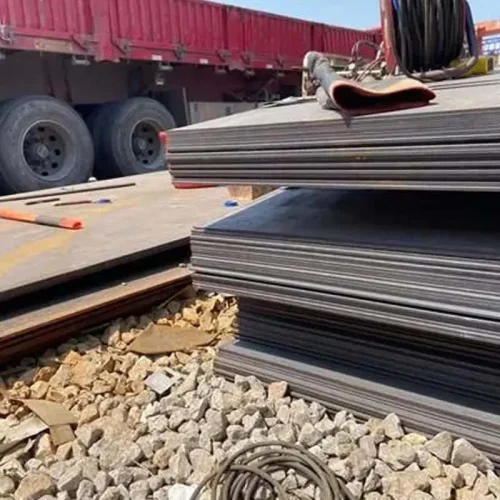
Beneath all these layers sits the steel. Low-carbon, clean steel with few inclusions gives fewer pinholes. Dirty steel with non-metallic inclusions has exposed points that rust through any coating. Consequently, premium food cans use cleaner steel, even though the buyer never sees it.
When Plated Steel Is Not Enough
For aggressive environments—strong acids, chlorides, high temperatures—tinplate cannot survive. Instead, solid corrosion-resistant alloys are the answer:
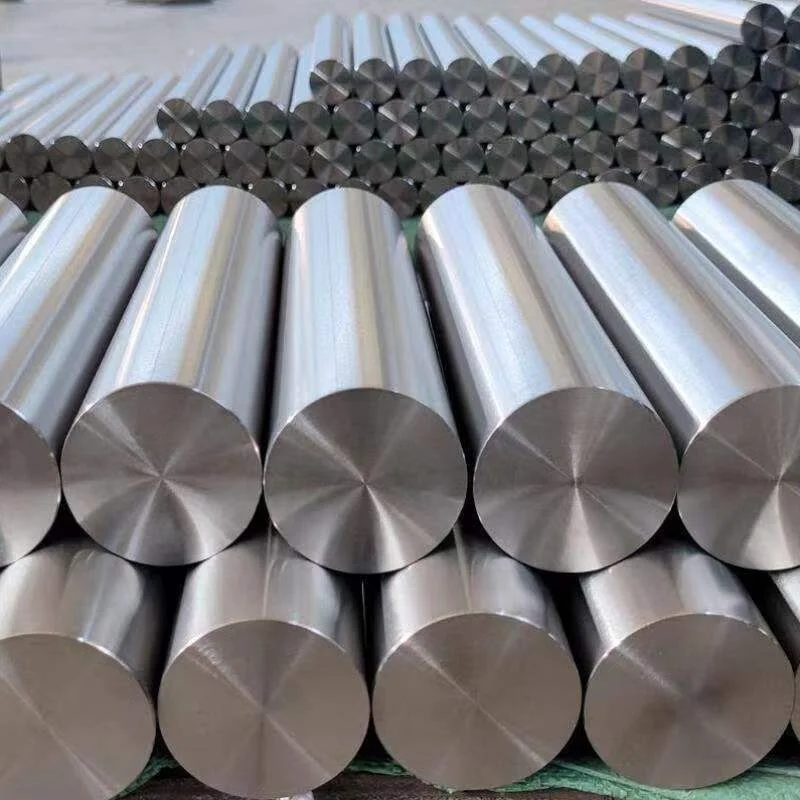
- Hastelloy C-276 Plate for chemical processing where no coating would last.
- Inconel 601 Plate for high-temperature oxidation service.
These alloys cost more than tinplate, yet they last decades where tinplate fails in months.
Specify the Full Protection System
A complete order reads: “T3, 0.20 mm, 5.6/2.8 g/m², chromate-free passivation, epoxy phenolic internal lacquer, palm oil 10 mg/m².” Leave out the lacquer or passivation and you receive bare tinplate, which rusts in service.
Get the Right Corrosion Protection
Tell us your food type and shelf life. We will recommend the correct tin weight, lacquer, and passivation combination.
- Email: vera.liang@ztwysteel.com
- Location: Xishan District, Wuxi, Jiangsu, China
- Supply range: tinplate substrates, nickel alloys, copper, electrical steel, wear plate
- Documentation: MTC with coating weight, lacquer type, passivation, and migration test
We reply within one working day.





 English