

Comparing Electroplating Tin and Hot-Dip Tin Plating: A Popular Science Overview
Electroplating tin vs hot-dip tin comes down to one trade-off: precision vs thickness. Electroplating deposits a thin, controlled layer; hot-dip pulls a thick, robust layer. Pick the wrong process and your part either costs too much or corrodes in service. Here is how the two methods actually compare.
Side-by-Side Comparison
| Parameter | Electroplated Tin | Hot-Dip Tin |
|---|---|---|
| Coating thickness | 0.5–5 microns | 5–25 microns |
| Thickness control | ±10% or better | ±20–30% |
| Surface finish | Bright, smooth | Duller, slightly textured |
| Substrate limit | Conductive metals only | Any metal (molten bath wets) |
| Cost per unit | Higher (energy + chemistry) | Lower (fast immersion) |
| Uniformity on complex shapes | Excellent (rack or barrel) | Variable (drips, runs) |
| Bond type | Metallurgical + mechanical | Metallurgical (intermetallic layer) |
Electroplated Tin: When Precision Matters
Electroplating runs the part as a cathode in a tin-ion electrolyte bath. Current density controls deposition rate. Consequently, engineers dial in thickness to within 0.2 microns. This precision makes it the default for:
- Electronic connectors that must solder cleanly.
- Copper busbars where controlled contact resistance matters.
- Parts where a thick coating would interfere with tight tolerances.
Furthermore, electroplated tin accepts a reflow melt that gives a bright, solderable surface. However, the process uses electrolytes and generates rinse waste, so environmental handling adds cost.
Hot-Dip Tin: When Thickness Matters
Hot-dip immerses the part in molten tin at 230–260°C. The steel or copper wets, picks up a thin iron-tin intermetallic layer, and exits with a coating measured in tens of microns. It suits:
- Fasteners and hardware that need durable corrosion protection.
- Large parts where rack electroplating would be expensive.
- Parts that will see outdoor or harsh-service environments.
However, hot-dip produces drips and runs. The surface is not as bright. Furthermore, the heat of the bath can distort thin parts or soften pre-hardened components.
Cost and Volume: The Real Decision Driver
For high-volume electronic parts, electroplating wins on consistency despite higher unit cost. For structural hardware or large copper components, hot-dip wins on thickness per dollar. As a rule of thumb, hot-dip costs roughly 40–60% less per unit area for coatings above 10 microns.
Substrates We Supply for Tin Plating
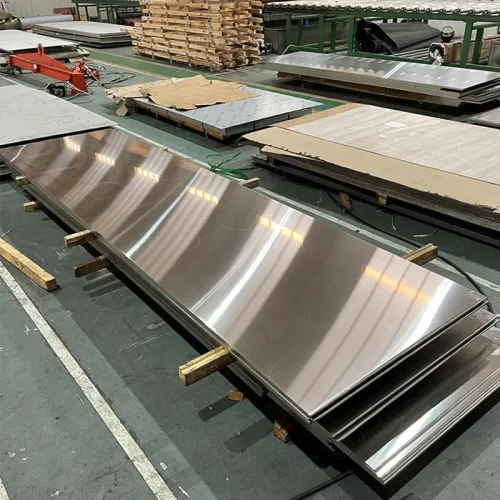
Both processes start from a base metal. We supply substrates that fabricators commonly send for tin plating:
- C11000 / T2 Copper Plate for busbars and electrical connectors that get electro-tinned after cutting.
- C12200 / TP2 Copper Tube for refrigeration and plumbing parts that may be hot-dip tinned at the ends.
- Nickel 201 Bar for corrosion-resistant components that sometimes receive a tin flash for improved solderability.
Choose Based on Coating Threshold
Below 5 microns: electroplate. Above 10 microns: hot-dip. Between 5 and 10 microns: compare part geometry and cost. If you need help selecting the right substrate and coating, send us your drawing and service environment.
Source Tin-Plating-Ready Substrates
Tell us your part, coating process, and required thickness. We will recommend the correct copper, nickel, or steel substrate and quote with a mill certificate.
- Email: vera.liang@ztwysteel.com
- Location: Xishan District, Wuxi, Jiangsu, China
- Supply range: copper plate/tube, nickel alloys, electrical steel, wear plate, mold steel
- Documentation: MTC with chemistry, dimensions, and mechanical properties
We reply within one working day.





 English