

Exploring the Role of Mold Steel Material in the Efficient Processing of Various Products: A Case Study
The right mold steel material can double die life; the wrong choice means cracked cavities and missed production deadlines. Mold selection starts with the process: hot work, cold work, or plastic injection. Each process demands a different steel. Here is how the three main categories match to the job.
Hot Work: Die Casting and Extrusion
Die casting injects molten aluminum or zinc at 600–800°C under high pressure. The die sees thermal shock every shot. Consequently, it needs steel that resists heat checking—network of tiny cracks from repeated heating and cooling.
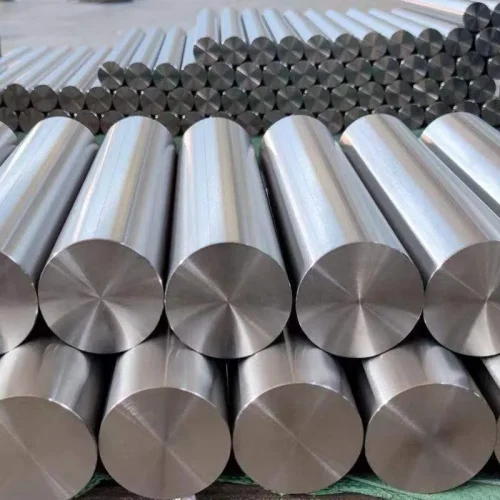
H13 (1.2344 / SKD61) is the standard. It holds hardness at 500°C, resists thermal fatigue, and polishes well. For aluminum extrusion tooling, H13 or its upgraded version (H13 ESR, electroslag remelted) delivers longer life. We supply H13 / SKD61 Mold Steel pre-machined and soft-annealed, ready for hardening and finishing.
Cold Work: Stamping and Blanking
Stamping dies see continuous abrasion from sheet metal. They run cold, but they wear fast. D2 (1.2379 / SKD11) offers high wear resistance through high carbon and high chromium content. It hardens to 60 HRC and holds a sharp cutting edge. For high-volume stamping runs, D2 outlasts oil-hardening tool steel by 3–5×.
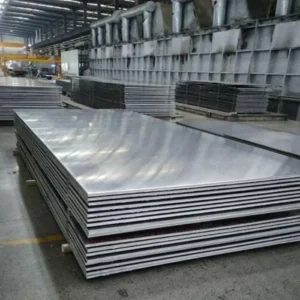
We supply D2 / SKD11 Mold Steel in pre-machined blocks. Furthermore, for larger blanking dies, we can supply flat bars cut to your block dimensions.
Plastic Injection: P20 and Pre-Hardened Steel
Plastic molds do not see heat or abrasion as severe as die casting. Instead, they need good polishability and machinability. P20 (1.2311) arrives pre-hardened at 28–32 HRC, so the mold maker machines it directly without heat treatment. This cuts lead time for prototype and low-volume molds.
For corrosive plastics (PVC, flame-retardant resins), 420 stainless mold steel offers corrosion resistance. We supply 4Cr13H Mold Steel for these corrosive plastic applications.
The Cost vs. Life Trade-off
Mold steel cost is small compared to production downtime. A $5,000 die made from cheap steel that cracks after 10,000 shots costs more in lost production than a $15,000 H13 die that runs 100,000 shots. Consequently, high-volume production always justifies premium tool steel. For low-volume prototypes, cheaper pre-hardened steel saves money.
Surface Treatment Extends Die Life
Even the best steel benefits from surface treatment:
- Nitriding adds surface hardness for hot work dies.
- PVD coating (TiN, TiAlN) reduces wear on cold work dies.
- Polishing improves plastic part surface finish.
These treatments can double die life on their own.
Source Mold Steel for Your Tool Room
Tell us your process (die casting, stamping, injection), material being formed, and expected shot count. We will recommend the correct grade and quote pre-machined blocks.
- Email: vera.liang@ztwysteel.com
- Location: Xishan District, Wuxi, Jiangsu, China
- Supply range: H13, D2, 4Cr13H, P20 equivalent mold steel in flat bar and block
- Documentation: MTC with chemistry, hardness, and ultrasonic test report
- Services: pre-machining, soft annealing, cut-to-size
We reply within one working day.





 English