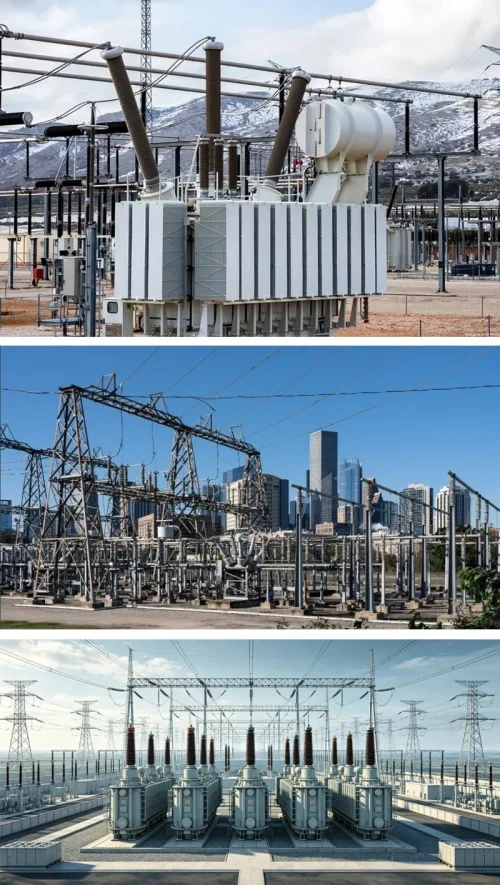
Hegang Photovoltaic Power Transformation Project
The Hegang 500 kV photovoltaic supporting grid upgrade project in Heilongjiang adopted high-grade low-loss oriented silicon steel for all core power-transformer units. This is not a marketing line—it is a direct answer to a specific problem: solar power fluctuates, and transformers that sit idle at midday ramp-up or ride through evening dumps must stay efficient across wildly varying loads.
Why Solar Grid Transformers Need Better CRGO
A conventional baseload transformer runs near its rated load 24 hours a day. A solar-grid transformer, by contrast, swings from zero to full load and back every day. Furthermore, it must hold voltage stability through cloud transients. Under these conditions, no-load loss becomes the dominant energy drain, because the transformer stays energized even when it carries almost no current.
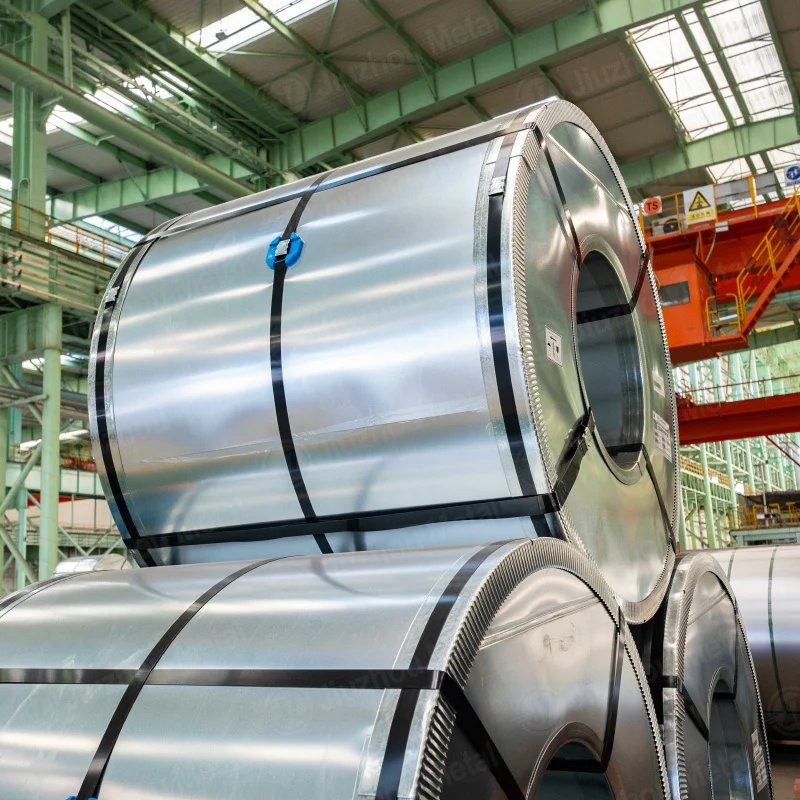
High-grade low-loss CRGO (typically 27Q110 or B-series Hi-B) cuts no-load loss by 15–25% compared to standard 30Q130. Across a 500 kV substation running year-round, that difference adds up to tens of megawatt-hours saved per transformer per year.
The Technical Problem: Intermittent Generation
Solar output does not follow a smooth curve. Cloud cover can drop a 100 MW farm to 20 MW in seconds. Consequently, the transformation equipment must:
- Stay magnetically stable under frequent load swings.
- Resist thermal cycling from repeated heating and cooling.
- Maintain tight voltage regulation through rapid ramps.
Standard CRGO handles steady-state loss well. However, under cycling, its core temperature rises and falls, which accelerates aging. High-permeability Hi-B CRGO runs cooler at the same flux density, and that margin extends insulation life.
What the Project Actually Specified
The Hegang project specified:
- Grade: 27Q110 or equivalent Hi-B CRGO (0.27 mm).
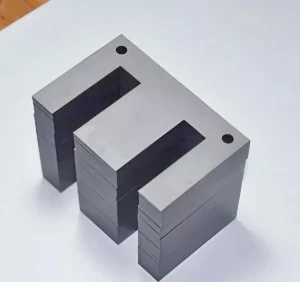
- Core construction: stepped-lamp mitred joints to reduce air-gap loss.
- Coating: C-4 inorganic insulation for high-temperature stability.
- No-load loss target: below the value guaranteed by the grid efficiency standard for 500 kV units.
These choices directly target the two loss sources that matter most in solar service: hysteresis loss (addressed by Hi-B grade) and joint loss (addressed by stepped-lap cutting).
Related CRGO and Lamination Forms We Supply
The same low-loss CRGO logic applies to smaller grid-tied and industrial transformers:
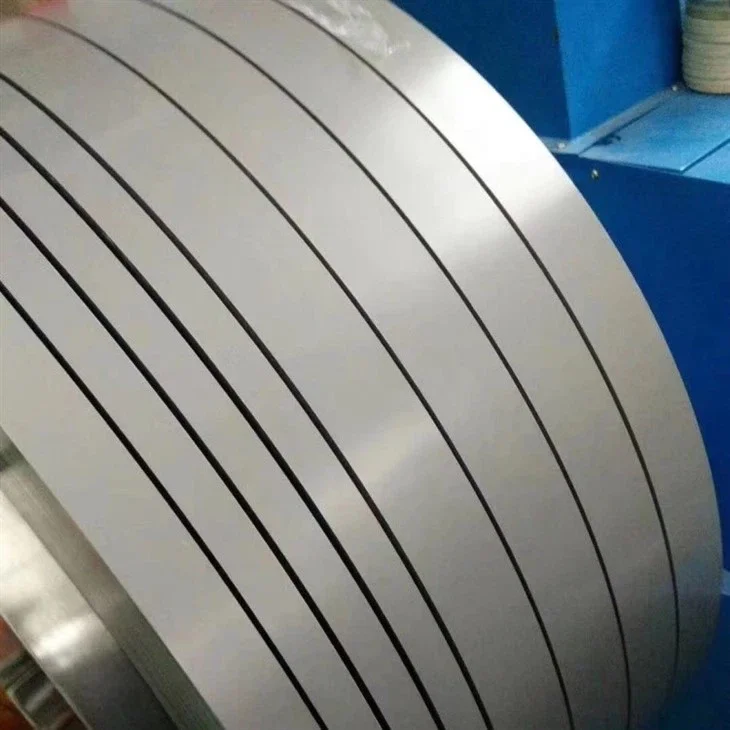
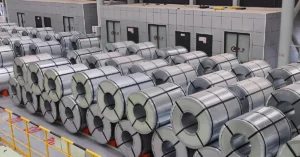
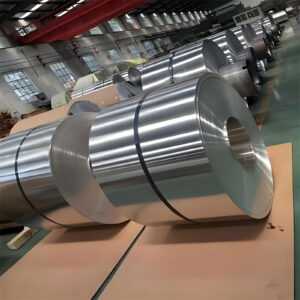
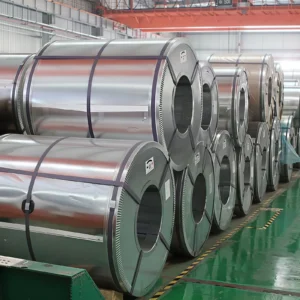
- Silicon Steel Sheets in 27Q and 30Q grades for distribution transformer core shops.
- EI Core Three-Phase Lamination for three-phase pad-mount transformers used at solar farm collection substations.
- EI Core With GAP Lamination for grid-tied inverter reactors, which must handle DC bias from inverter switching.
What This Project Means for Buyers
If you specify transformers for solar, wind, or other intermittent generation, do not default to the cheapest CRGO grade. The no-load loss you save over 25 years of operation dwarfs the upfront premium for Hi-B. Furthermore, demand that the mill certificate shows actual P₁.₇/₅₀ values, not just grade compliance.
Specify Low-Loss CRGO for Your Grid Project
Tell us your transformer rating, efficiency target, and required core width. We will recommend the correct CRGO grade and quote coil or pre-cut laminations with a mill certificate.
- Email: vera.liang@ztwysteel.com
- Location: Xishan District, Wuxi, Jiangsu, China
- Supply range: CRGO and CRNGO silicon steel, pre-cut laminations, stacked transformer cores
- Grades: 27Q110/120, 30Q120/130, B-series Hi-B, M4–M6
- Documentation: MTC with P₁.₇/₅₀ core loss, induction, thickness, and coating class
We reply within one working day.