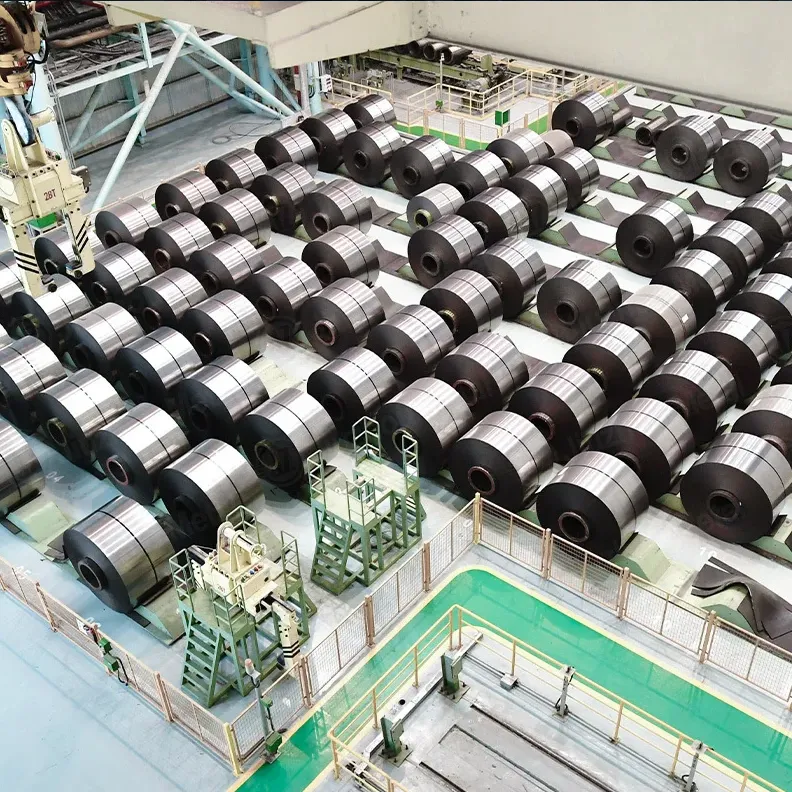
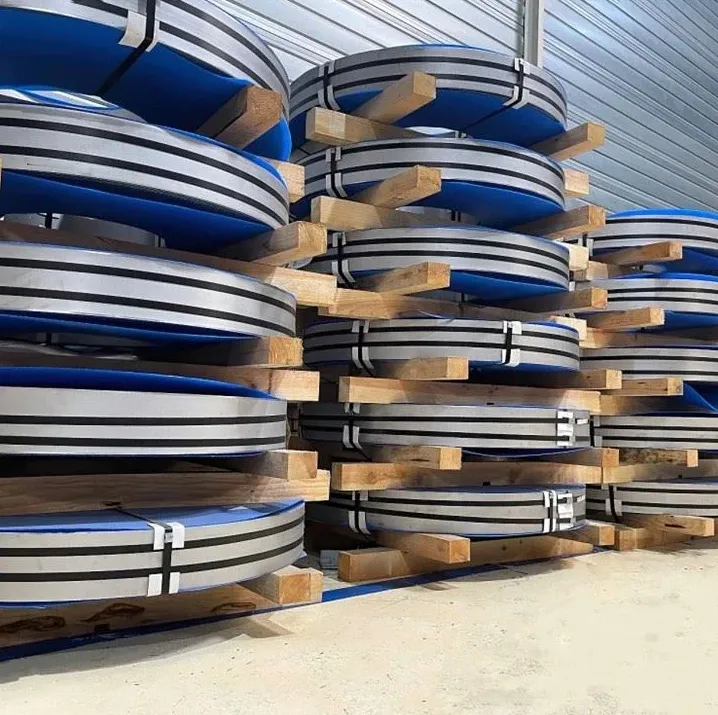
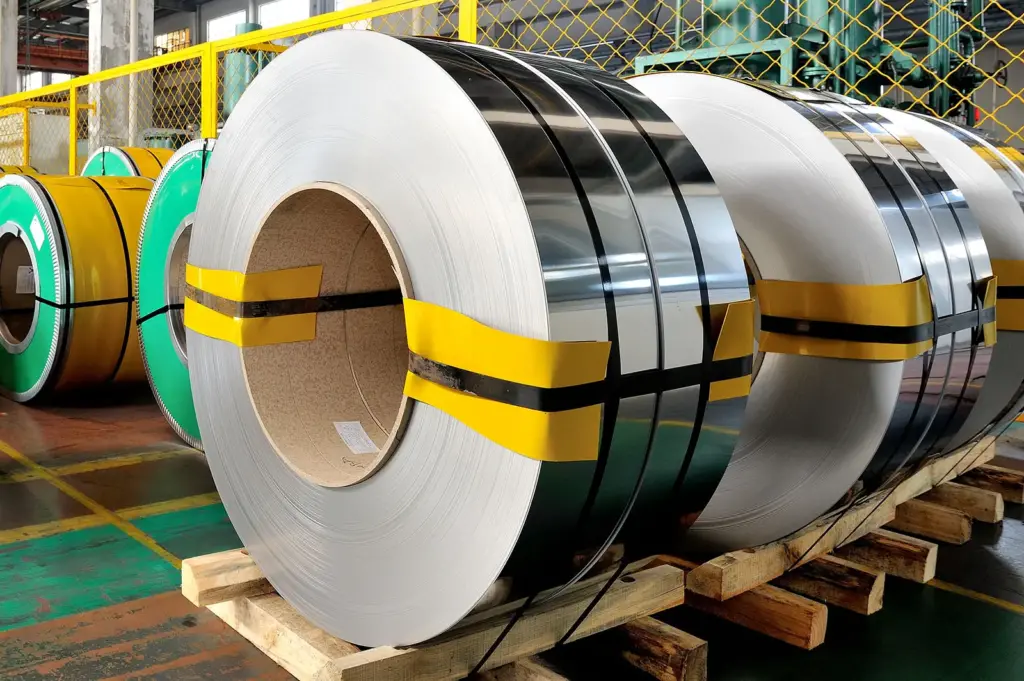
Key Points for Selecting Raw Material Base Materials for Tinplate
Selecting the right tinplate base material trips up more buyers than any other step in specifying tinplate. The order of choices matters: pick the wrong temper first, and no amount of coating weight or surface finish will fix the forming problems on your line. These are the five most common mistakes—and how to avoid them.
Mistake 1: Ordering by Gauge Alone
Buyers often specify “0.20 mm tinplate” and stop there. Gauge alone tells you almost nothing about how the material will behave. The same 0.20 mm can be supplied as soft T2 (deep-drawable) or work-hardened DR8 (stiff but brittle), and they behave like two different products on the press.
Always specify temper grade alongside gauge. Soft T1–T3 for deep drawing, T4–T5 for shallow draws, DR550–DR800 for lightweight drawn-and-redrawn cans.
Mistake 2: Over-Specifying Coating Weight
It is tempting to order 11.2/11.2 g/m² “just in case.” Every extra gram of tin per square meter adds cost, and for interior-lacquered cans the inside coating can often drop to 1.1 or 2.8 g/m² without any performance penalty.
Match the coating to the wetted surface:
- Interior, lacquered, mild food: 1.1/2.8 or 2.8/2.8 g/m².
- Interior, acidic or sulphurous food: 5.6/2.8 g/m².
- Exposed, external, or general-line: 5.6/5.6 or 11.2/11.2 g/m².
Specify the two numbers separately—inside and outside.
Mistake 3: Ignoring Steel Cleanliness
Standard base steel works for most food cans, but aggressive or long-shelf-life products need cleaner, lower-inclusion steel. Pinholes or exposed inclusions in the steel base will rust through any lacquer over time. If your product is acidic, salty, or has a multi-year shelf life, pay for the cleaner grade—it is cheaper than a recall.
Mistake 4: Confusing Print-Ready with Lacquer-Ready Surface
Print-ready tinplate has a controlled surface roughness that accepts offset ink. Lacquer-ready stock is smoother, designed for enamel adhesion. Order print-ready when you need graphics; order lacquer-ready when the can will be internally or externally coated. Mixing these up causes ink rub-off or lacquer peeling.
Mistake 5: Forgetting That Plated Steel Is Not Always the Answer
When the environment is too aggressive for any plated steel—strong acid, chloride pitting, high-temperature chemical service—the correct engineering choice is a solid corrosion-resistant alloy. We supply alternatives for buyers who have ruled out tin-plated or coated steel:
- Hastelloy B-2 Plate/Sheet for strong reducing-acid service (hydrochloric, dilute sulfuric) where no coating would survive.
- Monel 502 for marine and electrical hardware needing inherent nickel-copper corrosion resistance without plating.
- C22000 / H90 Copper Plate as a copper-base substrate that fabricators further tin-plate or nickel-plate for busbar and fittings.
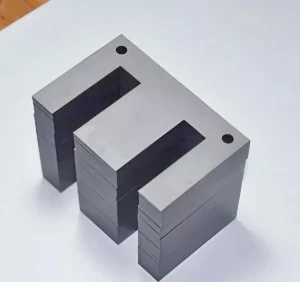
- M15 Non-Oriented Electrical Steel when the “coated steel” requirement is actually motor lamination with inter-laminar insulation, not packaging.
Specify the Base Material in One Line
A complete tinplate base material specification reads like this: “DR550, 0.18 mm, 2.8/5.6 g/m² electrolytic tinplate, chromate-free passivation, palm oil, lacquer-ready.” Every word matters—leave one out and your supplier will fill in the gap with whatever is standard stock, not what your line needs.
Get the Right Base Material Specified
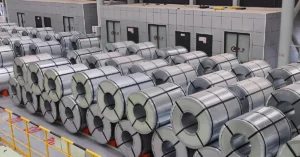
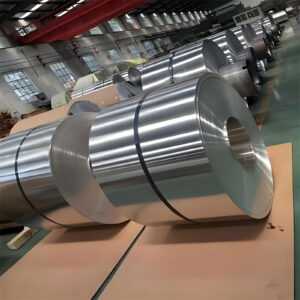
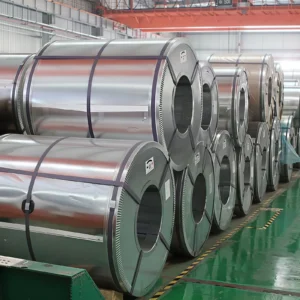
Send us your end-use, forming process, required temper, and coating weight. We will confirm whether you need SR or DR, heavier tin, or an alternative solid alloy, and quote coil or sheet with a mill test certificate.
- Email: vera.liang@ztwysteel.com
- Location: Xishan District, Wuxi, Jiangsu, China
- Supply range: electrical steel, copper & brass plate/pipe, nickel alloys (Hastelloy / Inconel / Monel), wear plate, mold steel
- Documentation: MTC with chemistry, thickness, coating weight, temper, and mechanical properties
We reply within one working day with stock and lead time.