

Structural Advantages of Lightweight Tin-Plated Sheet Materials
Lightweight tin-plated sheet materials have become increasingly popular in various industries due to their unique structural advantages. These materials combine the benefits of tin plating with the inherent properties of lightweight materials, offering a versatile solution for a wide range of applications. The structural advantages of lightweight tin-plated sheet materials are multifaceted, making them an ideal choice for industries that require both durability and flexibility.
One of the primary benefits of these materials is their corrosion resistance. Tin plating provides a protective layer that shields the underlying material from environmental factors, extending the lifespan of the product. This corrosion resistance is particularly crucial in industries where the materials are exposed to harsh conditions, such as marine environments or chemical processing facilities. The tin layer acts as a barrier, preventing the material from rusting or degrading over time, which ensures that the product remains functional and reliable.
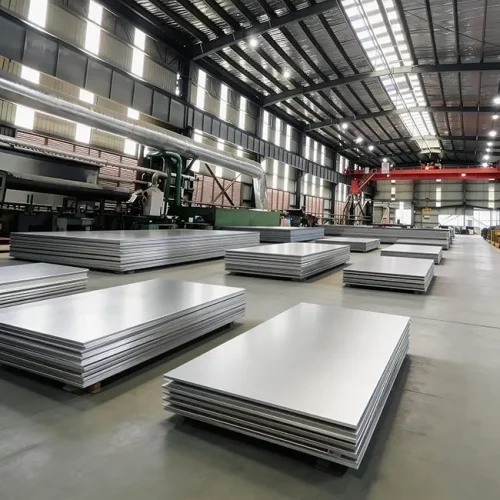
Another significant advantage is the lightweight nature of these materials. Unlike traditional heavy metals, lightweight tin-plated sheet materials offer the same level of structural integrity without the added weight. This reduction in weight can lead to lower transportation costs, making it more economical to distribute and install products. Additionally, the lightweight design can improve the performance of structures, as it reduces the load on supports and reduces the risk of buckling or other structural failures. The flexibility of lightweight tin-plated sheet materials is another key benefit. These materials can be easily shaped and formed into various configurations, allowing for creative and efficient design solutions.
Whether it is for roofing, cladding, or decorative elements, the flexibility of these sheets enables manufacturers to produce custom-fit components that meet specific requirements. This adaptability also makes them suitable for a wide range of applications, from industrial equipment to consumer products. The strength-to-weight ratio of lightweight tin-plated sheet materials is also noteworthy. Despite their low weight, these materials possess a high strength-to-weight ratio, which means they can withstand significant stress without deforming or breaking. This property is particularly important in applications where the material is subjected to mechanical forces, such as in automotive components or structural supports. The combination of strength and lightness makes these materials a preferred choice for engineers and designers who are looking to optimize performance while minimizing weight.
Additionally, the thermal conductivity of lightweight tin-plated sheet materials is advantageous in certain applications. Tin is known for its excellent thermal properties, and when plated onto lightweight materials, it enhances the material’s ability to conduct heat efficiently. This can be beneficial in applications where heat dissipation is critical, such as in electronic components or cooling systems. The thermal conductivity also helps in maintaining a stable temperature, which can prevent overheating and extend the lifespan of the product. The environmental benefits of using lightweight tin-plated sheet materials should not be overlooked. By reducing the overall weight of products, these materials contribute to lower energy consumption during transportation, thereby reducing carbon emissions. Furthermore, the corrosion resistance of tin plating means that these materials require less maintenance and have a longer operational life, which reduces waste and resource consumption over time. The use of tin in plating is also environmentally friendly, as tin is a non-toxic and renewable resource. The versatility of lightweight tin-plated sheet materials makes them suitable for a wide range of industries, including construction, automotive, aerospace, and consumer goods.
In the construction industry, these materials are used for roofing, cladding, and insulation, where their corrosion resistance and lightweight properties provide significant advantages. The automotive industry benefits from their use in body panels and structural components, where the strength-to-weight ratio and flexibility are crucial. In aerospace, lightweight tin-plated sheet materials are used for various applications, including fuel tanks and structural supports, where weight reduction is essential for fuel efficiency and performance. The consumer goods industry also utilizes these materials for packaging, decorative items, and household products, where their aesthetic appeal and durability are valued. The future prospects of lightweight tin-plated sheet materials are promising, with ongoing research and development aimed at further enhancing their properties.
Innovations in plating techniques and material science are expected to yield even more durable and efficient solutions. As industries continue to seek sustainable and high-performance materials, lightweight tin-plated sheet materials are poised to play a significant role in meeting these demands. In conclusion, the structural advantages of lightweight tin-plated sheet materials make them a superior choice for a wide range of applications. Their corrosion resistance, lightweight design, flexibility, high strength-to-weight ratio, and thermal conductivity offer numerous benefits that enhance performance, reduce costs, and promote sustainability. As industries continue to evolve, lightweight tin-plated sheet materials will remain a key material for innovative and efficient design solutions.






 English
  Japanese
  Korean
  French
  German
  Spanish
  Portuguese
  Russian
  Arabic
  Italian
  Turkish
  Dutch
Dutch  Polish
  Swedish
  Danish
  Norwegian
  Finnish
  Greek
Greek  Hungarian
  Czech
Czech  Romanian
  Bulgarian
  Slovenian
  Croatian
  Slovak
  Malay
Malay  Indonesian
  Thai
Thai  Vietnamese
  Myanmar
  Khmer
Khmer  Lao
Lao  Tagalog
  Hindi
Hindi  Bengali
  Urdu
Urdu  Nepali
  Sinhala
  Hebrew
  Ukrainian
  Serbian
  Icelandic
  Swahili