
Selection Tips for Tin-Plated Sheet Materials in Heavy-Duty Applications
Heavy duty tinplate is a contradiction in terms. Tinplate excels in food packaging and light hardware. However, for mining, chemical, or high-wear service, tinplate fails quickly. Consequently, buyers must know when to specify tinplate and when to switch to a different material. Here is the decision checklist.
Question 1: What Is the Wear Rate?
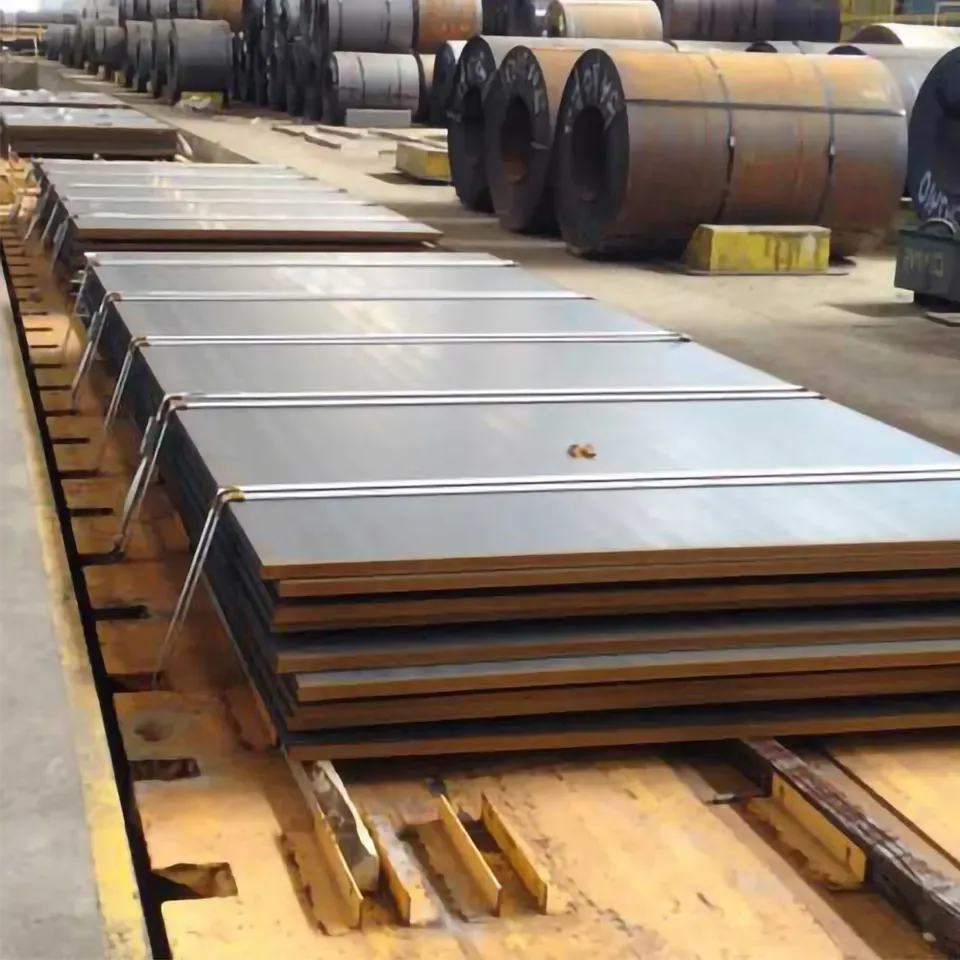
Tin is soft. Consequently, it scratches and wears under abrasion. If your application involves sliding contact, rock handling, or repeated friction, tinplate will not last. Instead, use 400HB Wear Resistant Steel Plate for chutes and liners. Tinplate suits static, non-abrasive service.
Question 2: What Chemicals Contact the Surface?
Tin resists neutral foods and weak alkalies. However, it dissolves in strong acids and attacks in strong alkalies. Consequently, if your application involves acids, chlorides, or solvents, tinplate fails. Instead, use Hastelloy C-276 Plate for chemical service. Tinplate handles mild environments.
Question 3: What Temperature Range?
Tin melts at 232°C. Consequently, continuous service above 150°C softens the tin layer. Furthermore, tinplate warps at high temperatures. For heat exchangers or oven parts, use stainless or nickel alloys instead.
Question 4: What Load Does the Part Carry?
Tinplate is thin (0.15–0.50 mm). Consequently, it carries no structural load. If your part needs stiffness or impact resistance, choose thicker structural steel or wear plate. Tinplate is a packaging and light-gauge material, not a structural one.
Question 5: Does the Part Need Solderability?
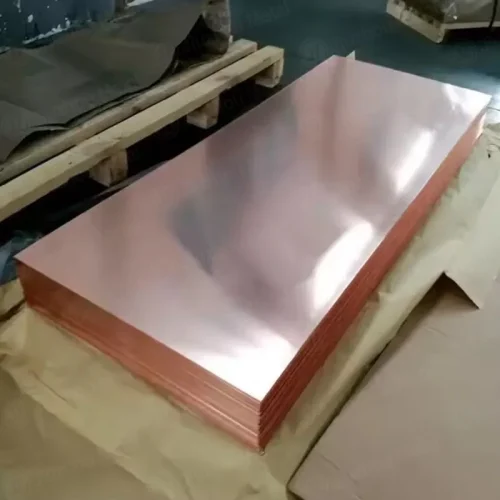
Tinplate solders easily. Furthermore, it stays solderable for months with proper storage. Consequently, tinplate suits electrical contacts and terminals that need soldering. However, for high-current busbars, C11000 / T2 Copper Plate conducts far better than tinplate.
When Tinplate Actually Works
Tinplate is the right choice when:
- The part contacts food or mild chemicals.
- The service temperature stays below 100°C.
- There is no sliding abrasion.
- The part needs solderability or a bright finish.
- Weight and cost matter more than structural strength.
When to Switch Materials
| Application | Use instead of tinplate |
|---|---|
| Rock chutes, hoppers | Wear-resistant plate |
| Acid or chloride service | Hastelloy / Inconel |
| High-current busbars | Copper plate |
| Structural beams | Structural steel |
| High-temperature ovens | Stainless / nickel alloy |
Get the Right Material for Heavy Duty
Tell us your application, environment, and load. We will tell you whether tinplate fits or whether you need a different material.
- Email: vera.liang@ztwysteel.com
- Location: Xishan District, Wuxi, Jiangsu, China
- Supply range: tinplate, wear plate, nickel alloys, copper, mold steel
- Honest guidance: if tinplate is wrong for your duty, we say so
- Documentation: MTC with chemistry, hardness, and dimensions
We reply within one working day.





 English