
Enhancing Transformer Performance with Low Noise Silicon Steel: A Guide to Optimizing Operation Stability
Enhancing Transformer Performance with Low Noise פלדת סיליקון: A Guide to Optimizing Operation Stability
Low noise פלדת סיליקון is a game-changing core material for modern electrical transformers. It directly boosts transformer performance and fixes common stability and noise issues in daily operation. Transformers act as the core backbone of power transmission and distribution systems. Yet, magnetic loss, vibration and unstable load operation often lower their efficiency and service life. This detailed guide explains what low noise פלדת סיליקון is, why transformer noise matters, and how to leverage this material to maximize transformer operation stability for long-term reliable performance.
What Is Low Noise Silicon Steel?
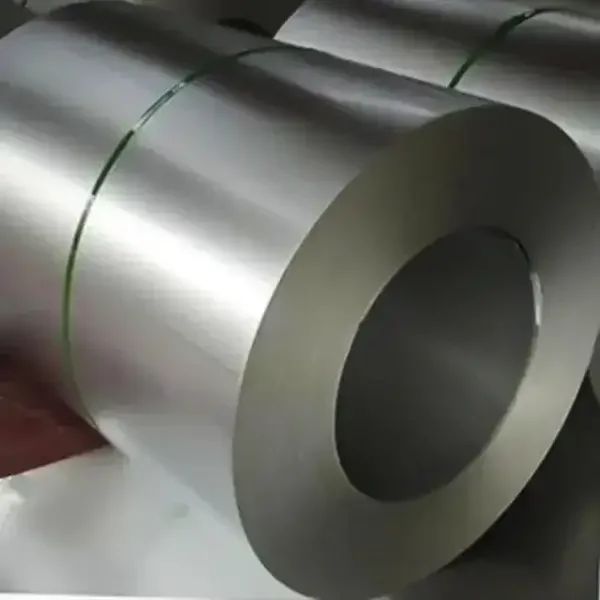
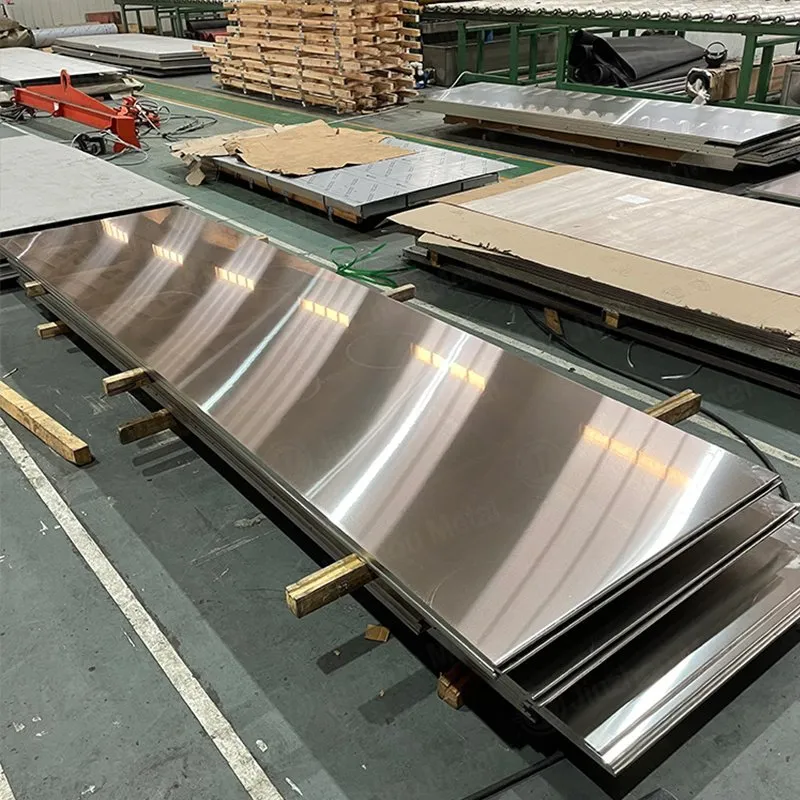
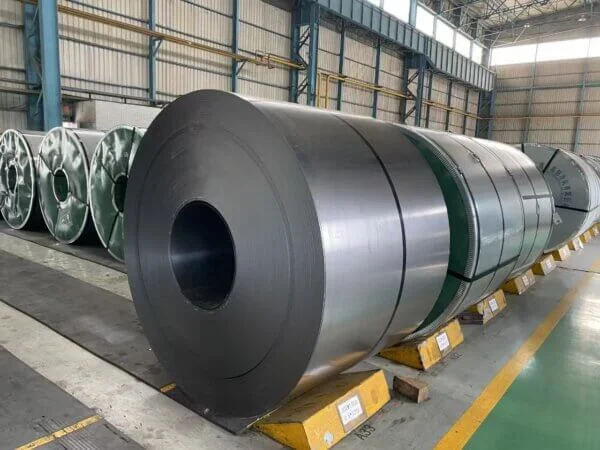
Low noise silicon steel is a high-grade specialized steel exclusively designed for transformer core manufacturing. It stands out from conventional silicon steel thanks to two core advantages: ultra-low magnetic loss and high magnetic permeability.
Manufacturers apply professional precision treatment to this material to suppress היסטרזיס loss and eddy current loss — the two leading causes of transformer noise and energy waste. The optimized material structure minimizes magnetic fluctuation during AC operation. As a result, transformers using this steel run quieter, more efficiently and far more stably than traditional models.
Why Is Transformer Noise a Critical Operational Concern?
Most transformer noise originates from internal magnetic vibration. When alternating current flows through transformer windings, it generates a constantly changing magnetic field. This field drives periodic vibration of the iron core, producing continuous audible noise.
This issue creates two major problems for electrical systems. First, transformer noise disturbs residential and commercial environments, failing to meet noise control standards for urban power facilities. Second, long-term magnetic vibration increases internal operational stress. It accelerates component aging, raises equipment failure risks, and greatly shortens the overall service life of transformers. Improving noise performance is therefore essential for stable long-term transformer operation.
Key Benefits of Low Noise Silicon Steel for Transformers
1. Effective Noise Reduction
The biggest advantage of low noise silicon steel is significant noise reduction. The material’s optimized magnetic properties greatly weaken core magnetic fluctuations and mechanical vibration. Transformers built with this material maintain ultra-low noise operation, perfectly adapting to noise-sensitive scenarios such as residential districts, commercial buildings and urban power stations.
2. Improved Energy Efficiency
Traditional silicon steel wastes massive energy through hysteresis and eddy current heat loss. In contrast, low noise silicon steel features high permeability and ultra-low magnetic loss. It converts nearly all magnetic energy into effective power transmission, cutting down heat energy waste. This optimization lowers overall energy consumption and reduces long-term operational costs for power enterprises.
3. Boosted Transformer Operation Stability
Load fluctuation is a common challenge in power system operation, which easily causes unstable transformer output. Low noise silicon steel effectively reduces core magnetic loss and maintains stable magnetic field distribution under variable load conditions. It ensures consistent transformer output performance, avoids power fluctuation failures, and greatly improves overall operational reliability.
How to Optimize Transformer Operation Stability With Low Noise Silicon Steel
1. Select Matched Low Noise Silicon Steel Core Material
Material selection is the foundation of stable transformer performance. Do not blindly choose universal steel materials. Instead, select targeted low noise silicon steel based on the transformer’s actual operating parameters, including working voltage, operating frequency, and variable load ranges. Cooperating with reputable and professional manufacturers ensures customized and high-quality core materials that fit your equipment’s operational needs.
2. Adopt Scientific and Precise Design & Engineering
High-quality materials require professional design to deliver full performance. In transformer engineering design, technicians need to optimize core structure to reduce magnetic flux leakage and realize uniform magnetic field distribution. Using professional simulation tools to verify design parameters can eliminate hidden stability risks caused by unreasonable structural design and maximize the advantages of low noise silicon steel.
3. Implement Regular Maintenance and Real-Time Monitoring
Even with high-performance core materials, daily maintenance is indispensable for sustained stability. Operators should conduct regular inspections, check core wear, circuit connection tightness and equipment operating parameters. Timely troubleshooting of minor faults prevents performance degradation and ensures the transformer maintains efficient, low-noise and stable operation long-term.
Common Challenges of Low Noise Silicon Steel & Practical Solutions
1. Higher Initial Material Cost
Compared with ordinary silicon steel, low noise silicon steel has a higher upfront procurement cost due to its sophisticated production process and superior performance. However, its long-term value far exceeds the initial investment. It reduces energy waste, cuts equipment maintenance frequency, extends transformer service life, and lowers overall operational costs, bringing significant economic benefits for long-term power system operation.
2. Material Sourcing and Quality Stability Issues
High-quality low noise silicon steel has strict production standards, leading to uneven market product quality. Unqualified materials cannot achieve noise reduction and stability effects. The best solution is to establish long-term cooperative relationships with formal, reputable suppliers. This guarantees stable material supply and consistent product quality, avoiding operational risks from inferior core materials.
סיכום
Low noise silicon steel is a reliable and efficient core material for upgrading transformer performance and optimizing operation stability. It solves core pain points of traditional transformers, including excessive noise, high energy loss and poor load stability. Through reasonable core material selection, professional design engineering and standardized daily maintenance, power equipment can fully leverage the advantages of low noise silicon steel. This enables transformers to achieve low-noise, energy-saving, stable and long-lasting operation in various power transmission and distribution scenarios.
Keywords: Low noise silicon steel, transformer performance, operation stability, magnetic loss, hysteresis, eddy current, noise reduction, efficiency improvement, core material selection, design engineering, maintenance monitoring




 English
  Japanese
  Korean
  French
  German
  Spanish
  Portuguese
  Russian
  Arabic
  Italian
  Turkish
  Dutch
Dutch  Polish
  Swedish
  Danish
  Norwegian
  Finnish
  Greek
Greek  Hungarian
  Czech
Czech  Romanian
  Bulgarian
  Slovenian
  Croatian
  Slovak
  Malay
Malay  Indonesian
  Thai
Thai  Vietnamese
  Myanmar
  Khmer
Khmer  Lao
Lao  Tagalog
  Hindi
Hindi  Bengali
  Urdu
Urdu  Nepali
  Sinhala
  Hebrew
  Ukrainian
  Serbian
  Icelandic
  Swahili