

Expertise in Tin-Plating Material Manufacturing: Years of Industry Experience
Tin plating material buyers often confuse two things: the plated finished part, and the substrate that gets plated. Consequently, we are a substrate supplier, not a plating shop. That distinction matters when you send an inquiry. Here is what we supply, what we do not, and how to specify your order.
What We Actually Supply
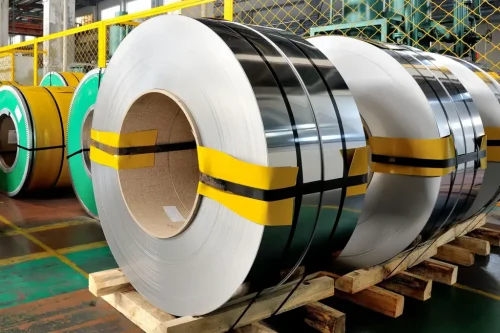
We stock and ship the base materials that fabricators then tin-plate:
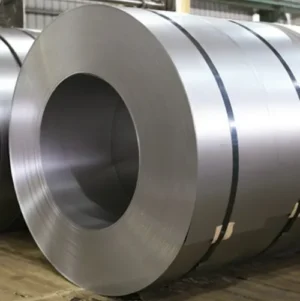
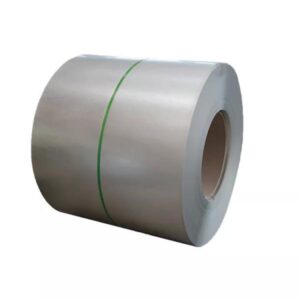
- Tinplate coil and sheet (already tin-coated at the mill, for can making).
- Copper plate, sheet, and tube (for busbars, connectors, refrigeration fittings).
- Nickel alloy plate and bar (for corrosion-resistant parts that need a tin flash).
- Silicon steel coil (for motor laminations, sometimes tin-coated for solderability).
Therefore, if you need a finished plated connector, you need a plating shop. Conversely, if you need the raw material to send to that plating shop, we are your supplier.
What We Do Not Do
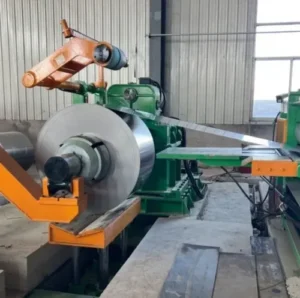
We do not run a plating line. Instead, we focus entirely on mill-form substrate. We do not apply tin to finished parts, and we do not offer electroplating, hot-dip tinning, or chemical tin plating as a service. Furthermore, we do not accept small parts for plating—our minimum orders are coil, sheet, plate, or bar in production quantities.
How We Ensure Quality in the Substrate
Even though we do not plate, the substrate quality decides whether your plater succeeds. Consequently, we control several key factors:
- Surface cleanliness—no drawing compound or oxide on copper.
- Flatness—sheet within tight tolerance for rack plating.
- Edge condition—no burrs that cause uneven current distribution.
- Mill certificates—chemistry and dimensions documented.
A dirty or oxidized substrate causes poor tin adhesion, no matter how good the plater is. Therefore, we flag surface issues before they reach your shop.
Typical Substrates We Ship to Plating Shops
For tin-plated busbars and connectors, fabricators choose C11000 / T2 Copper Plate. For refrigeration fittings that receive end tin plating, we supply C12200 / TP2 Copper Tube. For terminals and springs that get matte tin plating, C26800 / H65 Brass Strip is the standard choice.
How to Specify Your Order
A complete inquiry reads: “C11000 copper plate, 3 mm × 1000 × 2000 mm, mill finish, PVC film both sides, MTC required.” If you need plating, add: “We will tin-plate 5–8 microns; please ensure the substrate is clean and rack-ready.” We will confirm material condition and packing accordingly.
Why Years of Experience Matter
We have supplied copper, nickel, and silicon steel to plating shops and can makers for years. Consequently, we know which substrates cause plating problems:
- Excess drawing oil on brass strip causes poor adhesion.
- Surface oxide on old copper stock causes blistering.
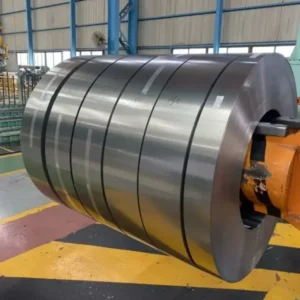
- Poor edge condition on slit coil causes current crowding.
We flag these issues before shipping, so your plater does not discover them mid-run. In other words, our experience saves you plating-line downtime.
Get the Right Substrate for Tin Plating
Tell us your base metal, form, dimensions, and whether you will plate in-house. We will recommend the correct substrate and quote with a mill certificate.
- Email: vera.liang@ztwysteel.com
- Location: Xishan District, Wuxi, Jiangsu, China
- Supply range: copper plate/tube/strip, nickel alloys, tinplate, silicon steel
- What we do: mill-form material, cut-to-size, pre-machining, packing
- What we do not: electroplating, hot-dip tinning, finished-part plating
- Documentation: MTC with chemistry, dimensions, and surface condition
We reply within one working day.



 English