
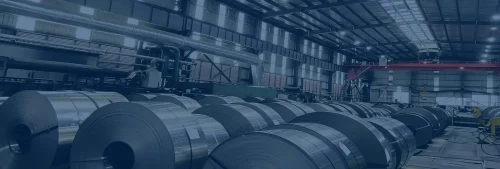
What are the primary applications for ultra-thin electrical steel?
Ultra-thin electrical steel is a specialized material. It plays a key role in modern energy systems. Its primary applications focus on efficiency and size reduction. These steels are thinner than 0.20 mm. They reduce energy losses in electrical devices. This makes them vital for many industries. As a result, manufacturers use them in motors, transformers, and generators. This article explores the main uses of ultra-thin electrical steel.

High-Efficiency Electric Motors
Electric motors consume a large share of global electricity. Therefore, improving their efficiency matters greatly. Ultra-thin electrical steel lowers core losses. These losses come from magnetic hysteresis and eddy currents. Thinner steel reduces eddy current paths. Consequently, motors run cooler and use less power. Hybrid and electric vehicles rely on this benefit. They need compact, high-speed motors. Ultra-thin steel allows faster rotation with less heat. Also, it supports higher power density. This means smaller motors with the same output. Industrial pumps and fans also use this steel. In summary, it boosts motor performance and lifespan.
Transformers for Power Grids
Transformers are essential for electricity distribution. They change voltage levels across the grid. Ultra-thin electrical steel improves transformer efficiency. It minimizes no-load losses. These losses occur even when no power is delivered. As a result, utilities save energy around the clock. Renewable energy projects use this steel too. Wind and solar farms need efficient transformers. Thin steel helps handle variable power flows. Furthermore, it reduces audible noise. The material also supports high-frequency operation. This suits modern smart grid systems. Therefore, ultra-thin steel is a cornerstone for clean energy.
Generators and Renewable Energy
Generators convert mechanical energy into electricity. They appear in wind turbines and hydro plants. Ultra-thin electrical steel enhances generator efficiency. It reduces heat during continuous operation. This is critical for offshore wind farms. These sites demand low maintenance and high reliability. Thin steel also enables smaller generator designs. That cuts material costs and installation weight. In addition, it improves performance at high speeds. Direct-drive generators benefit most. They avoid gearboxes and need precise magnetic cores. So, ultra-thin steel supports the growth of green power.
Specialty Applications in Electronics
Beyond heavy industry, ultra-thin steel serves electronics. It appears in high-frequency inductors and sensors. These parts need low core loss at high frequencies. Thin steel delivers that performance. It also helps in magnetic shielding. This protects sensitive devices from interference. Medical imaging machines use it too. MRI scanners need stable magnetic fields. Ultra-thin steel aids in gradient coils. Moreover, aerospace systems use it for lightweight power units. Drones and satellites rely on compact electrical components. Thus, this steel enables advanced technology.
Conclusion: A Material for Energy Efficiency
Ultra-thin electrical steel is not a niche product. It drives efficiency across many sectors. Motors, transformers, and generators are the primary users. Electronics and aerospace also benefit. As the world seeks lower carbon emissions, demand will grow. This steel reduces waste and supports compact designs. It helps meet global energy goals. For engineers and buyers, understanding these applications is key. Choosing the right steel grade improves product success. In short, ultra-thin electrical steel powers a cleaner, smarter future.


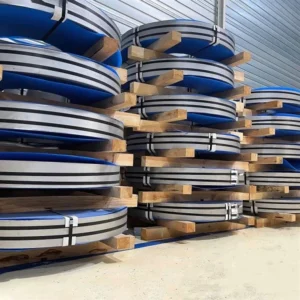



 English
  Japanese
  Korean
  French
  German
  Spanish
  Portuguese
  Russian
  Arabic
  Italian
  Turkish
  Dutch
Dutch  Polish
  Swedish
  Danish
  Norwegian
  Finnish
  Greek
Greek  Hungarian
  Czech
Czech  Romanian
  Bulgarian
  Slovenian
  Croatian
  Slovak
  Malay
Malay  Indonesian
  Thai
Thai  Vietnamese
  Myanmar
  Khmer
Khmer  Lao
Lao  Tagalog
  Hindi
Hindi  Bengali
  Urdu
Urdu  Nepali
  Sinhala
  Hebrew
  Ukrainian
  Serbian
  Icelandic
  Swahili