
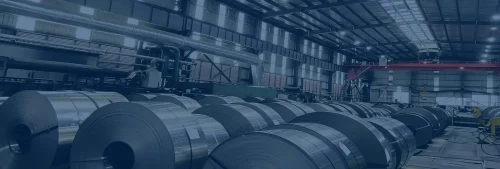
Can I request free samples of your ultra-thin electrical steel?
Can I request free samples of your ultra-thin electrical steel? This question comes up often in business inquiries. Many buyers want to test materials before committing. It is a reasonable request. However, the answer depends on several factors. This article explains how sample requests work. It also covers what suppliers typically expect. By the end, you will know how to approach this request properly.
Why Free Samples Are Common in Electrical Steel Sales
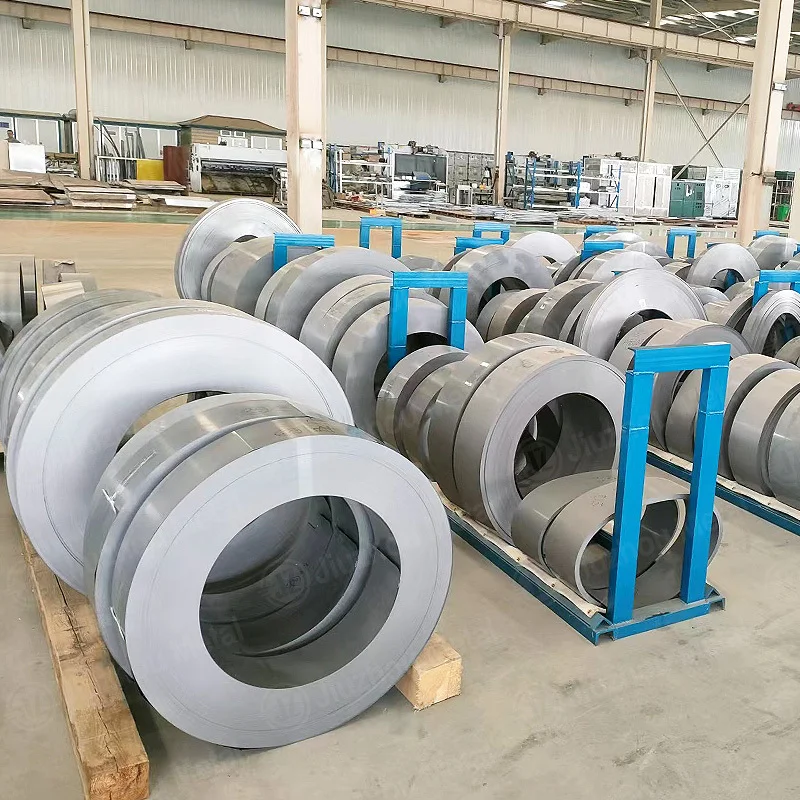
In the electrical steel industry, free samples are a normal part of business. Suppliers often provide small quantities to serious buyers. These samples help clients evaluate quality. They also allow engineers to test performance. For ultra-thin electrical steel, sampling is especially important. Thin gauges behave differently in production. A free sample reduces risk for both sides. It builds trust and opens the door to future orders.
What Counts as Ultra-Thin Electrical Steel
Ultra-thin electrical steel usually refers to thicknesses below 0.20 mm. Some grades go as low as 0.05 mm. These materials serve high-frequency applications. They appear in motors, transformers, and sensors. Precision matters at this scale. Even tiny variations affect magnetic properties. Therefore, buyers need physical samples. They cannot rely on data sheets alone. A hands-on test reveals how the steel performs in real conditions.
Typical Conditions for Free Samples
Most suppliers offer free samples with conditions. First, the buyer usually pays shipping costs. Second, samples come in small sizes. Common dimensions are 100 mm by 100 mm or smaller. Third, suppliers may limit quantities. One or two pieces per grade is standard. Fourth, free samples often go to qualified businesses. Suppliers check if the request comes from a real company. They may ask for a business website or tax ID. These steps protect against misuse.
When Suppliers Charge for Samples
Not every sample is free. Some suppliers charge a small fee. This fee often gets credited back on the first order. Charging helps filter out non-serious inquiries. It also covers production and handling costs. For ultra-thin electrical steel, sample preparation takes time. Cutting and packaging require care. A nominal fee is fair in many cases. If you request free samples, be ready to discuss this possibility.
How to Request Free Samples Professionally
A clear request improves your chances. Start with a polite email or message. State your company name and business type. Explain what you want to test. Mention the specific grade and thickness. For example, ask for 0.10 mm ultra-thin electrical steel. Provide your shipping address and account number. If you have a courier account, share it. This shows you are serious. Also, ask about sample size and lead time. A professional tone makes a strong impression.
What Suppliers Look for in a Request
Suppliers evaluate several things. They want to know your annual volume. They ask about your end product. They check if your application fits their material. For ultra-thin electrical steel, they may ask about frequency and core loss requirements. They also consider your location. Shipping samples overseas can be expensive. Some suppliers focus on local markets first. Others work globally. Understanding these factors helps you set realistic expectations.
Alternatives to Free Samples
If free samples are not available, consider other options. You can buy a small trial order. Many suppliers offer low minimum quantities. You can also request a paid sample with expedited shipping. Another option is to visit a trade show. Some suppliers bring sample materials to events. You can inspect them in person. Finally, ask for a technical data sheet. While not a substitute for physical testing, it provides useful information.
Building a Long-Term Supplier Relationship
Sample requests are often the first step. How you handle the process matters. Pay for shipping promptly. Provide clear feedback after testing. Share your results with the supplier. This shows respect for their time. It also helps them improve their product. Over time, a good relationship leads to better pricing. It also brings priority support. For ultra-thin electrical steel, a reliable supplier is a valuable asset.
Conclusion: A Reasonable but Conditional Request
Can you request free samples of ultra-thin electrical steel? Yes, you can. Many suppliers say yes under certain terms. They may ask you to cover shipping. They may limit quantity or size. They may require business verification. The key is to be professional and clear. Explain your needs and your volume. Show that you are a serious buyer. With the right approach, you can get the samples you need. Then you can test the material and make an informed decision. This process benefits both you and your supplier.





 English
  Japanese
  Korean
  French
  German
  Spanish
  Portuguese
  Russian
  Arabic
  Italian
  Turkish
  Dutch
Dutch  Polish
  Swedish
  Danish
  Norwegian
  Finnish
  Greek
Greek  Hungarian
  Czech
Czech  Romanian
  Bulgarian
  Slovenian
  Croatian
  Slovak
  Malay
Malay  Indonesian
  Thai
Thai  Vietnamese
  Myanmar
  Khmer
Khmer  Lao
Lao  Tagalog
  Hindi
Hindi  Bengali
  Urdu
Urdu  Nepali
  Sinhala
  Hebrew
  Ukrainian
  Serbian
  Icelandic
  Swahili