
Consequences and Remedial Measures of Damaged Insulating Coating on Electrical Steel for Transformer Cores
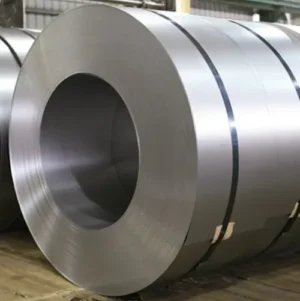
Insulating coating is a key protective layer on the surface of transformer electrical steel. Coating damage will cause multiple hidden dangers for core operation. Timely and effective remedies can reduce performance losses.
Damaged coating firstly causes interlayer short circuit risks. Bare steel areas contact adjacent steel plates directly. It forms local short-circuit loops between core layers. Short-circuit loops generate additional eddy current loss.
Increased eddy current loss leads to local core overheating. Tiny short-circuit points continuously produce heat. Long-term operation causes partial temperature rise of iron cores. It accelerates insulation aging around the core.
Coating peeling also reduces core overall insulation performance. Damaged areas cannot isolate interlayer current. The overall insulation resistance of the core decreases. It reduces transformer electrical safety margin.
Severe coating damage causes transformer loss exceeding standards. Local overheating and extra loss accumulate continuously. Finally, the whole equipment fails to meet energy-saving grade requirements.
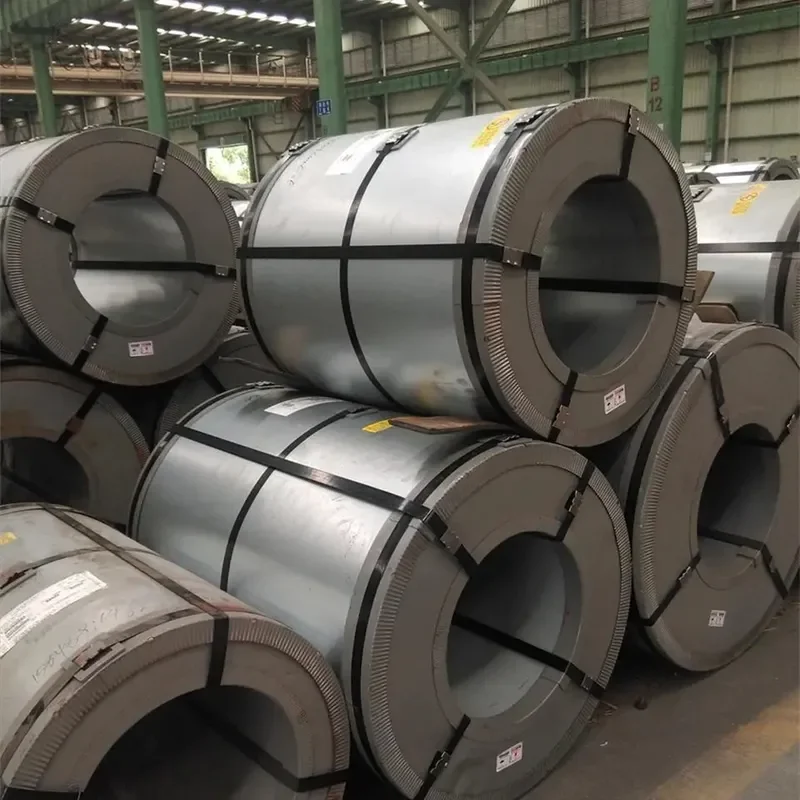
For minor coating scratches, targeted repair coatings can be adopted. Staff coats special electrical steel insulating paint on damaged areas. It restores interlayer insulation and avoids short-circuit risks.
For large-area coating peeling, local steel plate replacement is necessary. Repair painting cannot guarantee long-term stability. Replacing damaged plates ensures overall core insulation performance.
Optimized processing methods prevent coating damage fundamentally. Workers control shearing burrs and stamping pressure reasonably. They avoid friction and collision damage during stacking and transportation.
In summary, electrical steel coating damage endangers transformer efficiency and safety. Graded remedial measures and standardized processing can effectively control related risks.







 English
  Japanese
  Korean
  French
  German
  Spanish
  Portuguese
  Russian
  Arabic
  Italian
  Turkish
  Dutch
Dutch  Polish
  Swedish
  Danish
  Norwegian
  Finnish
  Greek
Greek  Hungarian
  Czech
Czech  Romanian
  Bulgarian
  Slovenian
  Croatian
  Slovak
  Malay
Malay  Indonesian
  Thai
Thai  Vietnamese
  Myanmar
  Khmer
Khmer  Lao
Lao  Tagalog
  Hindi
Hindi  Bengali
  Urdu
Urdu  Nepali
  Sinhala
  Hebrew
  Ukrainian
  Serbian
  Icelandic
  Swahili