
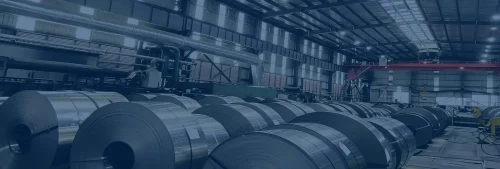
Influence of Stacking Factor on Energy Efficiency and Noise of Transformer Cores
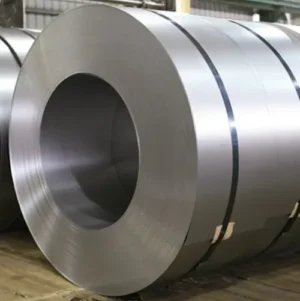
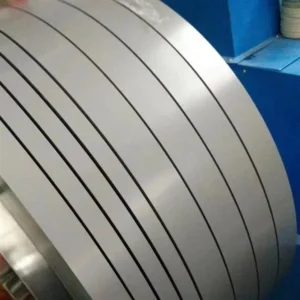
Stacking factor is a key assembly index of transformer electrical steel cores. It refers to the ratio of effective steel thickness to total stacked core thickness. This parameter greatly affects transformer energy efficiency and noise level.
High stacking factor improves transformer energy efficiency effectively. Higher stacking factor means fewer air gaps inside the core. Air gaps have poor magnetic conductivity and large magnetic resistance. Reduced air gaps lower overall core magnetic resistance. It decreases excitation current and no-load loss.
Low stacking factor increases invalid magnetic resistance of cores. Loose stacking leads to numerous tiny gaps. Magnetic flux transmission faces great resistance. Transformer needs more excitation power to maintain normal work. Energy consumption rises obviously.
Stacking factor directly controls transformer operating noise. Dense and uniform stacking reduces core internal gaps. It weakens magnetic vibration and resonance during magnetization. The overall noise of the transformer is significantly reduced.
Excessively low stacking factor causes loose core structure. Loose steel plates vibrate independently under alternating magnetic fields. Vibration amplitude increases greatly. It produces obvious low-frequency noise and equipment jitter.
However, stacking factor cannot pursue infinite high value. Excessively tight stacking causes internal stress of electrical steel. Stress destroys partial magnetic domain structure. It leads to slight rise of local core loss.
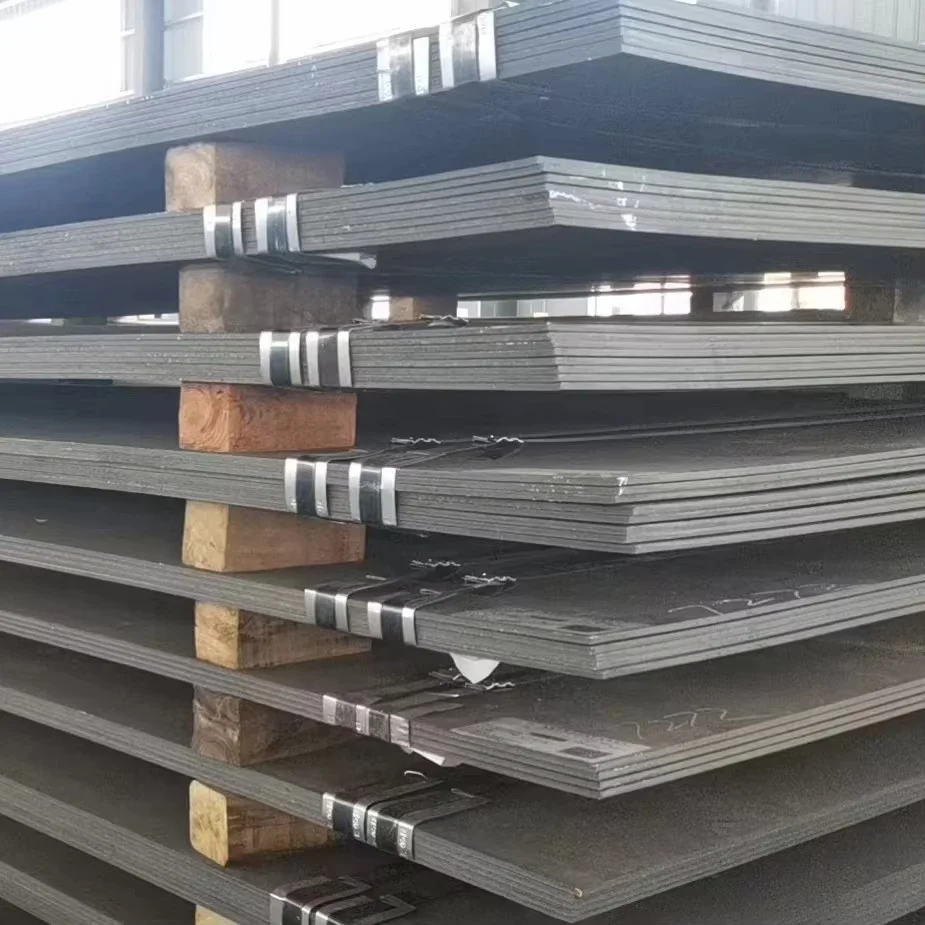
The optimal stacking factor for transformers ranges from 0.97 to 0.99. This range balances tightness and stress control. It achieves the best energy-saving and noise-reduction effect.
Overall, qualified stacking factor is essential for high-efficiency and low-noise transformer cores. Standard stacking process guarantees stable long-term operation of equipment.






 English
  Japanese
  Korean
  French
  German
  Spanish
  Portuguese
  Russian
  Arabic
  Italian
  Turkish
  Dutch
Dutch  Polish
  Swedish
  Danish
  Norwegian
  Finnish
  Greek
Greek  Hungarian
  Czech
Czech  Romanian
  Bulgarian
  Slovenian
  Croatian
  Slovak
  Malay
Malay  Indonesian
  Thai
Thai  Vietnamese
  Myanmar
  Khmer
Khmer  Lao
Lao  Tagalog
  Hindi
Hindi  Bengali
  Urdu
Urdu  Nepali
  Sinhala
  Hebrew
  Ukrainian
  Serbian
  Icelandic
  Swahili