

Structural Advantages of Lightweight Tin-Plated Sheet Materials
Lightweight tinplate keeps getting thinner. Today’s can stock runs 0.15–0.20 mm, down from 0.30 mm two decades ago. Consequently, cans use less steel, weigh less, and ship cheaper. However, thinner gauge also means less stiffness. Here are the advantages and the limits.
Advantage 1: Lower Weight, Lower Freight
Thinner tinplate weighs less per square meter. Furthermore, lighter cans mean more units per pallet and container. Consequently, freight cost per can drops significantly. For global food brands, this saves millions per year in logistics.
Advantage 2: Same Barrier Protection
The tin layer provides corrosion resistance. Furthermore, the internal lacquer provides chemical protection. Consequently, thinning the steel substrate does not reduce food safety. The can still blocks oxygen, light, and moisture.
Advantage 3: Formable on High-Speed Lines
Thin tinplate stamps and draws faster. Furthermore, it needs less force on the press. Consequently, can lines run at 1,000+ cans per minute. However, too thin and the can buckles under stacking load.
Advantage 4: Material Savings
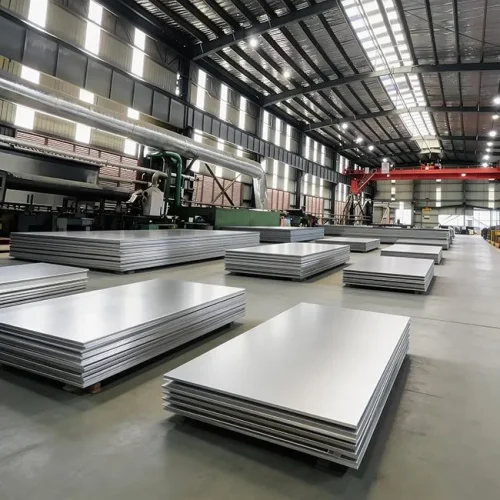
Thinner gauge means less steel per can. Furthermore, less steel means lower cost per unit. Consequently, beverage and food brands drive the gauge down every few years. However, engineers must re-validate the can design at each new gauge.
The Trade-off: Stiffness and Stacking
Thin cans crush more easily. Consequently, can makers add bead patterns (ribs) to the can wall. Furthermore, ends use heavier gauge than bodies. For example, a 0.18 mm body pairs with a 0.22 mm end. Consequently, the can stacks without crushing.
Typical Gauge Mix in Modern Cans
| Can part | Typical thickness | Why |
|---|---|---|
| Body | 0.15–0.20 mm | Light, formable |
| End | 0.18–0.25 mm | Needs stiffness |
| Neck | 0.18–0.22 mm | Roll seam strength |
Related Lightweight Sheet We Supply
We ship thin-gauge sheet for light applications:
- C11000 / T2 Copper Plate in 0.5 mm and thinner for flexible busbars.
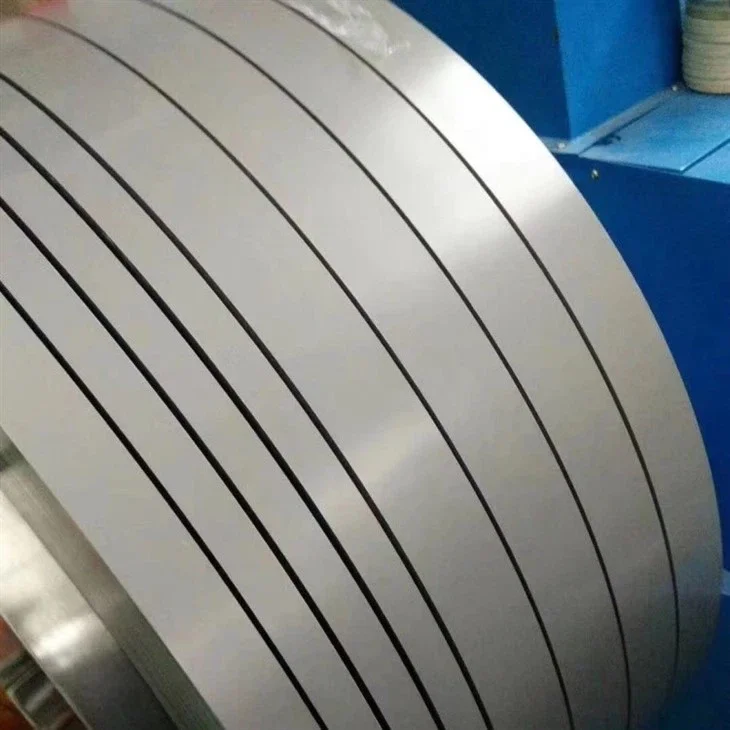
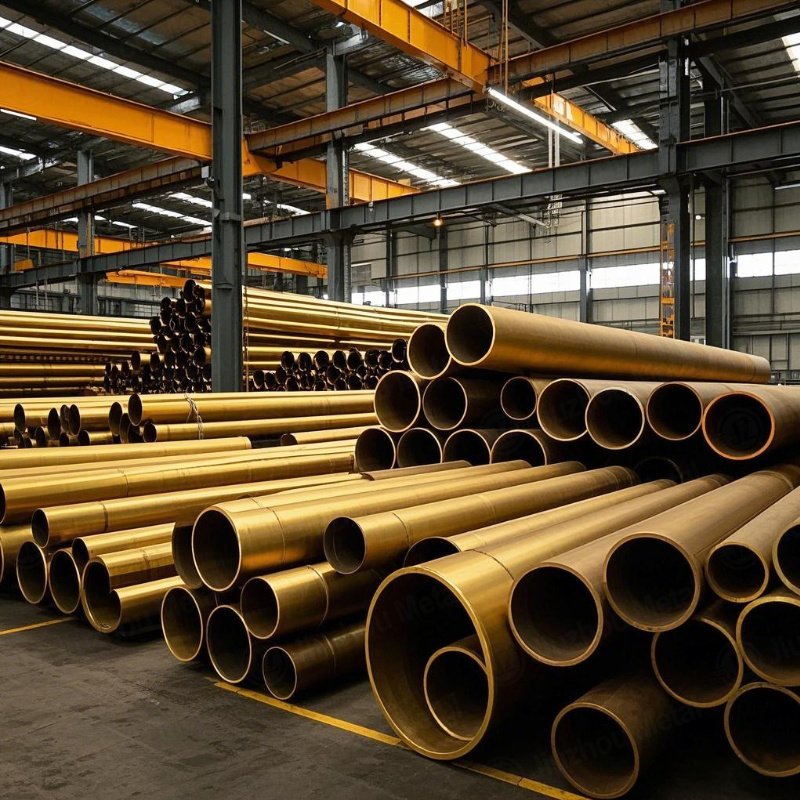
- C26800 / H65 Brass Strip in 0.1–0.3 mm for terminals and connectors.
Specify Your Gauge and Temper
Tell us your can or part type and required wall thickness. We will recommend the correct gauge and temper.
- Email: vera.liang@ztwysteel.com
- Location: Xishan District, Wuxi, Jiangsu, China
- Supply range: tinplate 0.15–0.50 mm, copper strip 0.1–3 mm, brass strip
- Documentation: MTC with thickness, temper, tin weight, and flatness
- Tin weights: 1.1–11.2 g/m² per side
We reply within one working day.







 English