
Years Refining Manufacturing Skills: The Real Stories Behind Sheet Metal Production
Sheet metal production has evolved from hand hammering to CNC laser cutting. Yet, one thing has not changed: the material decides everything. Consequently, a fabricator who knows the metal beats a machine operator who only knows the program. Here is how the craft developed, and what still matters.
Era 1: Hand Hammering (Before 1800)
Artisans hammered sheet over stakes and anvils. Furthermore, they annealed between passes to keep the metal ductile. Consequently, a single copper pot took days. However, the skill was intimate—workers felt the metal move under the hammer.
Era 2: Power Rolling and Shearing (1800–1950)
Steam-powered rolls and squaring shears changed the game. Furthermore, blanking presses began producing parts in volume. Consequently, sheet metal moved from a craft to a manufacturing industry. However, workers still hand-set dies and tweaked press brakes by feel.
Era 3: CNC and Press Brakes (1960–2000)
Numerical control brought repeatability. Furthermore, press brakes with CNC backgauges held tolerance across hundreds of parts. Consequently, custom parts no longer needed master craftsmen for every order. However, programmers still needed to understand springback and material behavior.
Era 4: Laser Cutting and Automation (2000–Present)
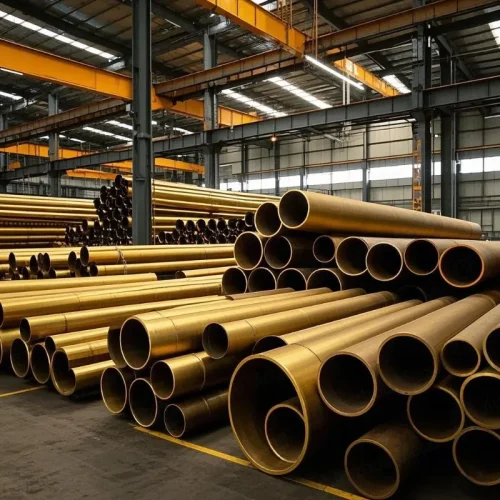
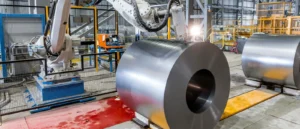
Fiber lasers cut 25 mm plate in minutes. Furthermore, robotic press brakes bend without human intervention. Consequently, lead times dropped from weeks to days. Yet, material knowledge still matters: a laser that cuts carbon steel cleanly burrs on stainless without correct gas pressure.
What Still Matters Today
Technology changes, but five principles hold:
- Material temper decides formability. Annealed copper draws easily; half-hard brass springs back.
- Gauge decides tooling. Thin sheet needs sharp punches; thick plate needs high-tonnage presses.
- Coating survives or fails at the bend. Powder coating cracks on tight radii.
- Deburring matters. A sharp edge cuts the operator and the seal.
- Flatness matters. Wavy sheet does not fit in an assembly.
Materials We Supply for Sheet Metal Fabricators
We deliver stock that machines cleanly:
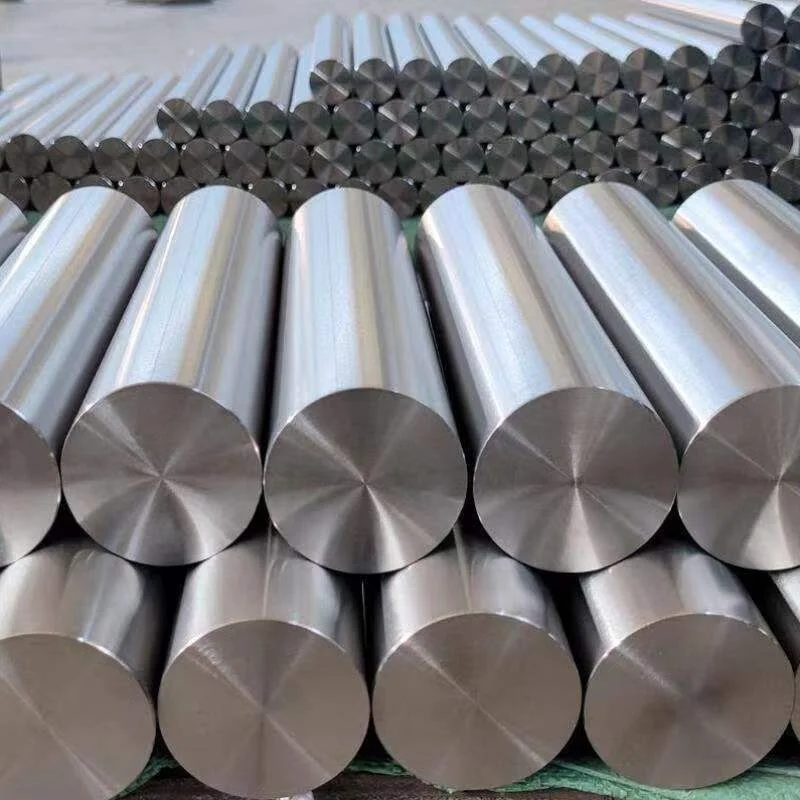
- C11000 / T2 Copper Plate in annealed temper for drawing.
- C26800 / H65 Brass Strip in half-hard temper for terminals.
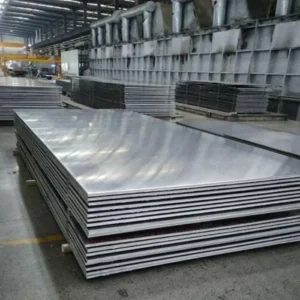
- 400HB Wear Resistant Steel Plate cut to chute and hopper liners.
Specify Your Material Temper
Tell us your forming process (drawing, bending, stamping) and required temper. We will recommend the correct stock and quote.
- Email: vera.liang@ztwysteel.com
- Location: Xishan District, Wuxi, Jiangsu, China
- Supply range: copper plate/strip, wear plate, mold steel, nickel alloys, tinplate
- Services: cut-to-size, temper selection, packing for fabrication
- Documentation: MTC with chemistry, hardness, temper, and dimensions
We reply within one working day.





 English