
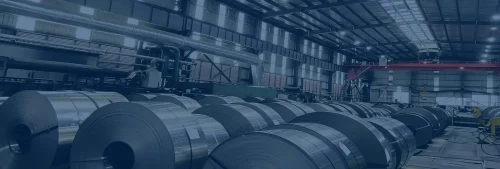
Will overheated cores cause deterioration of transformer steel performance
Introduction

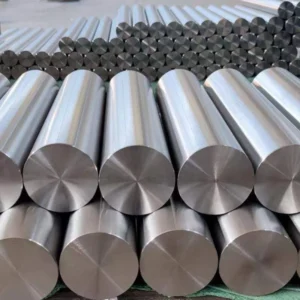
Transformer steel plays a critical role in electrical systems. It guides magnetic flux with minimal energy loss. However, heat can threaten this performance. Many engineers ask a simple question. Will overheated cores cause deterioration of transformer steel performance? The short answer is yes. Yet the details matter for real-world applications. This article explains how heat affects the steel. It also covers signs of damage and practical prevention steps.
How Heat Changes Transformer Steel
Transformer steel contains silicon and iron crystals. These crystals align to support magnetic fields. When cores overheat, the crystal structure can shift. Such shifts increase core loss. Core loss means wasted energy as heat. Over time, this waste grows worse. Consequently, the steel becomes less efficient. The material may also oxidize. Oxidation forms insulating layers that disrupt magnetic flow. Therefore, performance drops in a measurable way.
Temperature Thresholds and Material Limits
Every transformer steel grade has a safe temperature limit. Typically, this limit falls between 100°C and 150°C. Below that range, the steel works as designed. Above it, irreversible damage can begin. For instance, prolonged exposure to 200°C may cause grain growth. Larger grains increase hysteresis loss. Hysteresis loss is energy lost each magnetic cycle. In addition, high heat can weaken the insulating coating. That coating normally reduces eddy currents. Without it, eddy currents rise sharply. Both effects lower transformer efficiency.
Signs of Deterioration in Overheated Cores
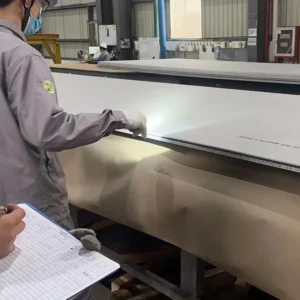
Operators can detect deterioration through several signs. First, no-load loss increases without a load change. Second, the core may produce unusual noise. Third, local hot spots appear on thermal images. Fourth, the exciting current rises for the same voltage. These signs suggest that transformer steel performance has declined. If ignored, the transformer may fail prematurely. Regular monitoring helps catch these issues early. For example, thermocouples and infrared scans provide useful data. Then, maintenance teams can act before major damage occurs.
Why Overheating Happens in Practice
Overheating rarely happens without a cause. Common triggers include poor ventilation. Another cause is overload during peak demand. Harmonic currents also generate extra heat. In addition, insulation breakdown can create shorted turns. Shorted turns concentrate heat in small areas. Even a brief fault can raise local temperatures fast. As a result, the steel may lose its designed magnetic properties. Manufacturing defects can play a role too. For instance, improper annealing leaves stress in the steel. That stress makes the core more heat-sensitive.
Preventing Deterioration of Transformer Steel Performance
Prevention focuses on thermal management. First, design cores with adequate cooling channels. Second, maintain oil or air flow as specified. Third, monitor temperature continuously with alarms. Fourth, avoid sustained overloads beyond nameplate ratings. Fifth, use high-grade steel with better heat resistance. Sixth, keep harmonic filters in good condition. These steps reduce the risk of overheated cores. As a result, transformer steel performance stays stable. A proactive approach also extends the transformer’s service life.
Conclusion
Overheated cores do cause deterioration of transformer steel performance. Heat alters crystal structure and damages insulation. It raises core loss and eddy currents. These changes reduce efficiency and reliability. However, the damage is not inevitable. Proper design, monitoring, and maintenance can prevent most overheating events. When temperatures stay within safe limits, transformer steel performs well for decades. Therefore, thermal control is not optional. It is a core requirement for any reliable transformer asset.





 English
  Japanese
  Korean
  French
  German
  Spanish
  Portuguese
  Russian
  Arabic
  Italian
  Turkish
  Dutch
Dutch  Polish
  Swedish
  Danish
  Norwegian
  Finnish
  Greek
Greek  Hungarian
  Czech
Czech  Romanian
  Bulgarian
  Slovenian
  Croatian
  Slovak
  Malay
Malay  Indonesian
  Thai
Thai  Vietnamese
  Myanmar
  Khmer
Khmer  Lao
Lao  Tagalog
  Hindi
Hindi  Bengali
  Urdu
Urdu  Nepali
  Sinhala
  Hebrew
  Ukrainian
  Serbian
  Icelandic
  Swahili