
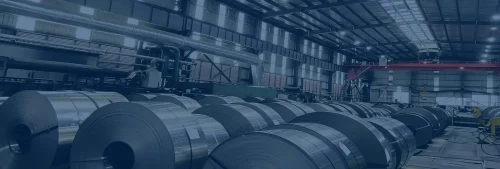
Who is a reliable grain-oriented electrical steel supplier in China?
Introduction
Global buyers often ask who is a reliable grain-oriented electrical steel supplier in China. This question matters for transformer makers and motor producers. Grain-oriented electrical steel, or GOES, forms the magnetic core. Its quality affects loss, noise, and efficiency. China hosts many mills, traders, and service centers. Yet reliability varies widely. A dependable partner offers stable grades, documented tests, and export support. This article explains how to identify such a supplier. It also outlines practical checks for technical and procurement teams.

Why Reliable Supply Matters
GOES supports transformers, reactors, and high-efficiency motors. Small property changes can raise core loss. That loss becomes heat and wasted energy. It also increases operating cost over decades. For design engineers, consistent magnetic data is vital. For procurement managers, stable lead times protect production. For EPC contractors, late delivery can delay energization. Therefore, a dependable supplier in China must control quality and logistics. Price alone cannot define reliability. Supply continuity and technical clarity matter just as much.
Quality Control and Certifications
A serious supplier follows strict quality control from coil to shipment. The process tracks melt chemistry, rolling parameters, and coating quality. Online gauges measure thickness, width, and flatness. Labs test magnetic induction and core loss with standard methods. Look for ISO 9001 and ISO 14001 certificates. These show basic management discipline. Product reports should include grade, thickness, and loss values. Typical grades include CGO, HGO, and HiB. Thickness options often cover 0.23 mm to 0.35 mm. Traceability from mill heat number to packing list is important. Without it, claims become hard to resolve.
Material Grades and Applications
GOES grades differ by core loss and induction. Common standards include IEC 60404 and ASTM A876. Chinese mills produce conventional and high-permeability grades. Laser-scribed and domain-refined options also exist. Transformer designers often choose low-loss grades for large units. Motor designers may prefer thinner sheets for high frequency. Distribution transformers need balanced cost and efficiency. Reactors and inductors need stable permeability. Therefore, the supplier must understand the final application. A good partner asks about frequency, flux, and assembly method. That dialogue prevents costly grade mismatches.
Production Capacity and Lead Times
Capacity shapes delivery reliability. A strong supplier has access to major Chinese mills. Examples include Baowu, Shougang, and Ansteel. It also runs slitting and cut-to-length lines. Those lines convert wide coils into usable widths. In addition, it holds safety stock for common grades. This stock reduces waiting time for urgent orders. However, custom widths still need planning. Buyers should ask for monthly capacity and current backlog. They should confirm raw coil availability. They should also review historical on-time delivery rates. A clear lead time beats a vague promise.
Technical Support and Customization
Design engineers need more than a price list. They need magnetic data, coating details, and processing advice. A reliable GOES supplier in China offers such support. The team can recommend grades for specific frequency and flux density. Clear guidance explains insulation coating types and stacking factors. The supplier provides samples for prototype testing. Moreover, it can slit coils to narrow widths. It can also supply toroidal or rectangular cut pieces. This flexibility helps motor and transformer assembly. At the same time, customization should not delay standard orders. Clear communication keeps projects moving.
Logistics and Export Experience
Export success depends on packaging and documentation. GOES coils are heavy and sensitive to moisture. Good suppliers use strong eye-to-sky or eye-to-wall packing. Workers add rust prevention and edge protection. Strong strapping secures coils on wooden pallets or steel cradles. Staff prepare commercial invoices, packing lists, and certificates. They understand Incoterms and port schedules. For EPC projects, they can coordinate with freight forwarders. They can also handle batch shipments to different sites. As a result, overseas buyers avoid customs delays. A reliable grain-oriented electrical steel supplier in China manages these details well.
Commercial Terms and Risk Control
Clear commercial terms reduce supply risk. Confirm grade, thickness, width, and tolerance in writing. Agree on packing, marking, and shipping documents. Set inspection rights before shipment. Discuss payment methods that protect both sides. For example, a letter of credit can reduce risk. Ask about warranty periods and claim procedures. Define how to handle rust, burrs, or wrong grades. Keep records of every batch and test report. These steps help procurement and supply chain teams. They also make disputes easier to solve. Good paperwork supports smooth customs clearance.
How to Evaluate a Supplier
Start with a factory audit or a live video tour. Check production equipment and testing labs. Ask for recent third-party inspection reports. Request references from similar industries. Review their export records and financial stability. Then place a small trial order. Test the material in your own process. Compare core loss, burr height, and flatness. Confirm that the supplier resolves issues quickly. Also review contract terms for claims and replacements. Finally, visit their service center if possible. Direct observation reveals more than a polished website.
Conclusion
A reliable grain-oriented electrical steel supplier in China combines quality, capacity, and service. Such a supplier serves transformer, motor, and electromagnetic equipment makers. Procurement teams gain stable schedules. Engineers receive accurate technical data. EPC contractors get export-ready logistics. No single factor guarantees success. Instead, look for documented processes and honest communication. Use audits, samples, and trial orders. Build a long-term relationship with clear expectations. That approach lowers risk and protects project performance. In the end, reliability is proven through repeated delivery, not marketing claims.








 English