
Which steel to select for reactors and current transformers: grain-oriented or non-oriented silicon steel
Choosing the Right Steel for Reactors and Transformers
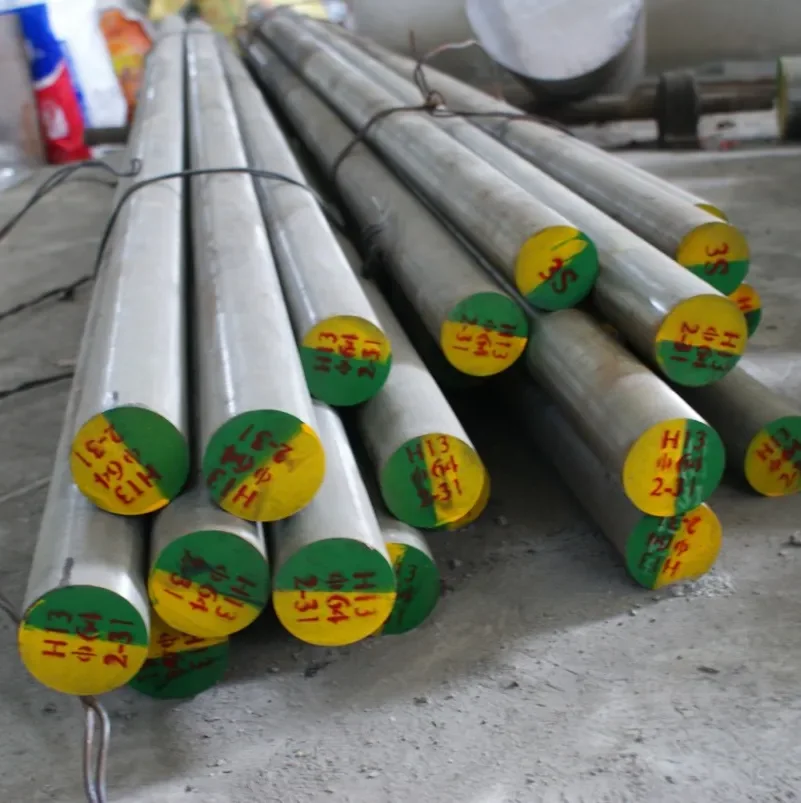
Selecting steel for reactors and current transformers is a critical engineering decision. The choice between grain-oriented and non-oriented silicon steel affects performance, size, and cost. Each material serves different magnetic needs. This article explains how to choose correctly.
Understanding Grain-Oriented Silicon Steel
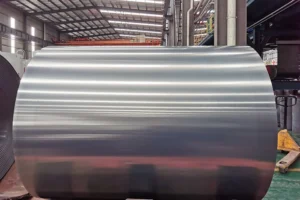
Grain-oriented silicon steel has a crystal structure aligned in one direction. This alignment allows high magnetic permeability along the rolling direction. As a result, it carries magnetic flux with very low core loss. Manufacturers use it mainly for power transformers and large reactors. In these devices, the magnetic field stays mostly unidirectional. The material reduces energy waste and heat buildup. However, its properties drop sharply in other directions. So, it does not suit applications with rotating or multi-directional fields.
Understanding Non-Oriented Silicon Steel
Non-oriented silicon steel has crystals randomly arranged. Its magnetic properties stay fairly consistent in all directions. This makes it ideal for rotating machines and complex magnetic circuits. Current transformers often use this steel because their fields change direction. Reactors with alternating or multi-phase currents also benefit. Core loss is higher than grain-oriented steel. Yet, the uniform performance often outweighs that drawback. The material is also more cost-effective for irregular shapes.
Matching Steel to Reactor Applications
Reactors come in many types, such as shunt, series, and smoothing reactors. For a shunt reactor with a fixed field direction, grain-oriented steel works well. It lowers losses and shrinks the core size. For a series reactor with harmonic currents, non-oriented steel handles multi-directional flux better. A current transformer measures alternating current. Its core sees a rotating magnetic field. Therefore, non-oriented silicon steel is the usual choice. Using grain-oriented steel here would cause uneven performance and higher losses.
Key Factors Beyond Material Type
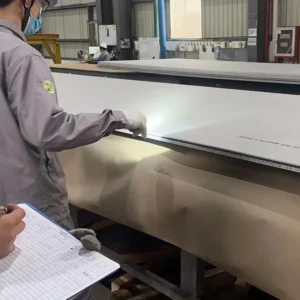
Thickness and insulation coating also matter. Thin laminations reduce eddy current losses. Coatings prevent short circuits between layers. Operating frequency plays a role too. Higher frequencies favor thinner, non-oriented grades. Temperature rise and mechanical stress can change magnetic behavior. So, engineers must test prototypes under real conditions. Cost and availability often tip the final decision. Grain-oriented steel costs more per kilogram. But it may save space and energy over time.
Practical Selection Guidelines
First, define the magnetic field direction in your device. If the field stays along one axis, pick grain-oriented steel. If the field rotates or shifts, pick non-oriented steel. Second, check the frequency and harmonic content. Clean sine waves suit grain-oriented steel. Distorted waves need non-oriented steel. Third, consider core shape and assembly. Wound cores favor grain-oriented steel. Stacked cores with complex paths favor non-oriented steel. Finally, balance upfront cost against long-term efficiency. A simple rule is this: transformers and unidirectional reactors use grain-oriented steel. Current transformers and multi-directional reactors use non-oriented steel.
Conclusion and Value Summary
Choosing between grain-oriented and non-oriented silicon steel depends on magnetic field behavior. Grain-oriented steel excels in one direction with low loss. Non-oriented steel performs uniformly in all directions. For reactors and current transformers, match the steel to the field pattern. This ensures reliable operation, lower losses, and better cost control. Always test your design under real conditions before mass production. A well-informed choice improves efficiency and extends equipment life.




 English
  Japanese
  Korean
  French
  German
  Spanish
  Portuguese
  Russian
  Arabic
  Italian
  Turkish
  Dutch
Dutch  Polish
  Swedish
  Danish
  Norwegian
  Finnish
  Greek
Greek  Hungarian
  Czech
Czech  Romanian
  Bulgarian
  Slovenian
  Croatian
  Slovak
  Malay
Malay  Indonesian
  Thai
Thai  Vietnamese
  Myanmar
  Khmer
Khmer  Lao
Lao  Tagalog
  Hindi
Hindi  Bengali
  Urdu
Urdu  Nepali
  Sinhala
  Hebrew
  Ukrainian
  Serbian
  Icelandic
  Swahili