
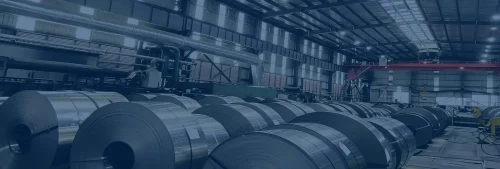
What is transformer steel? What is its relationship with electrical steel and silicon steel
Introduction
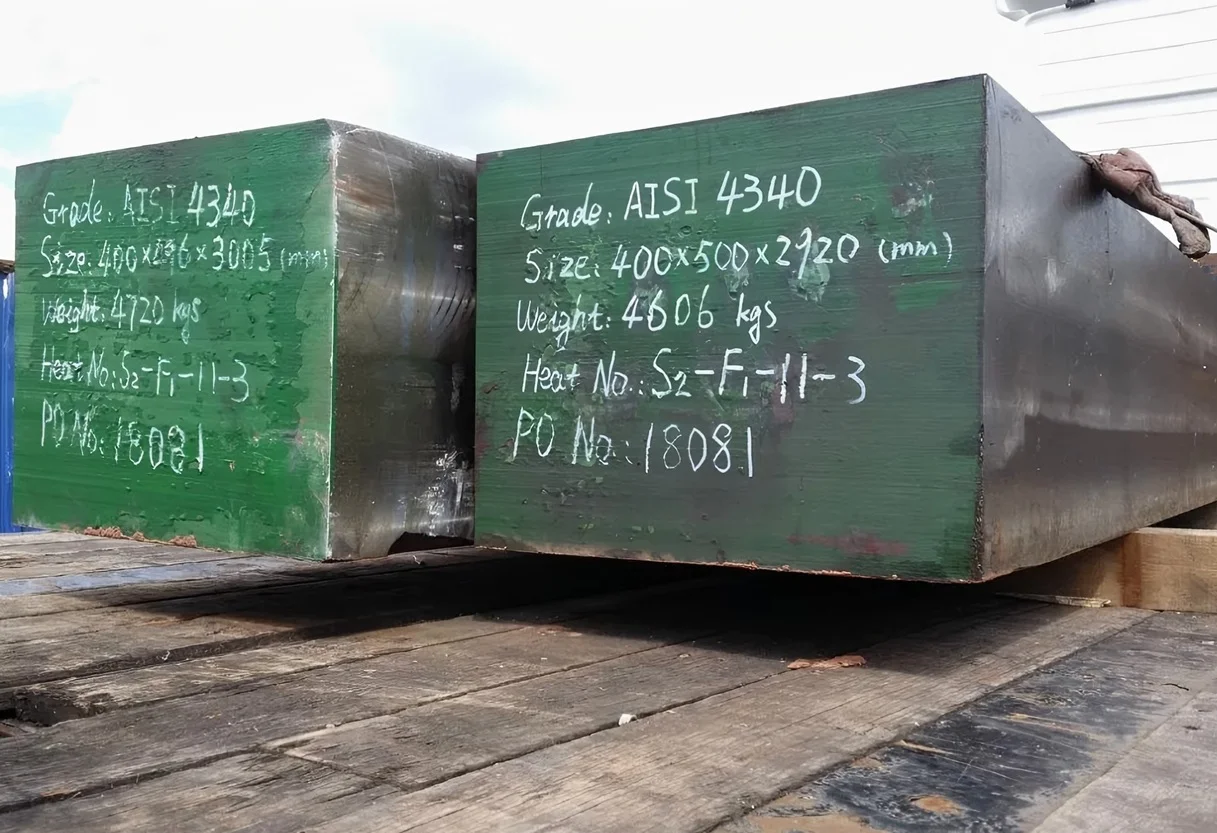
Transformer steel plays a vital role in modern power systems. It helps move electricity with very low energy loss. This material is a special type of steel. Many people also call it electrical steel. Others use the term silicon steel. These names often point to the same family of products. However, small differences exist between them. Understanding these differences matters for engineers and buyers. This article explains what transformer steel is. It also clarifies its relationship with electrical steel and silicon steel.
What Is Transformer Steel?
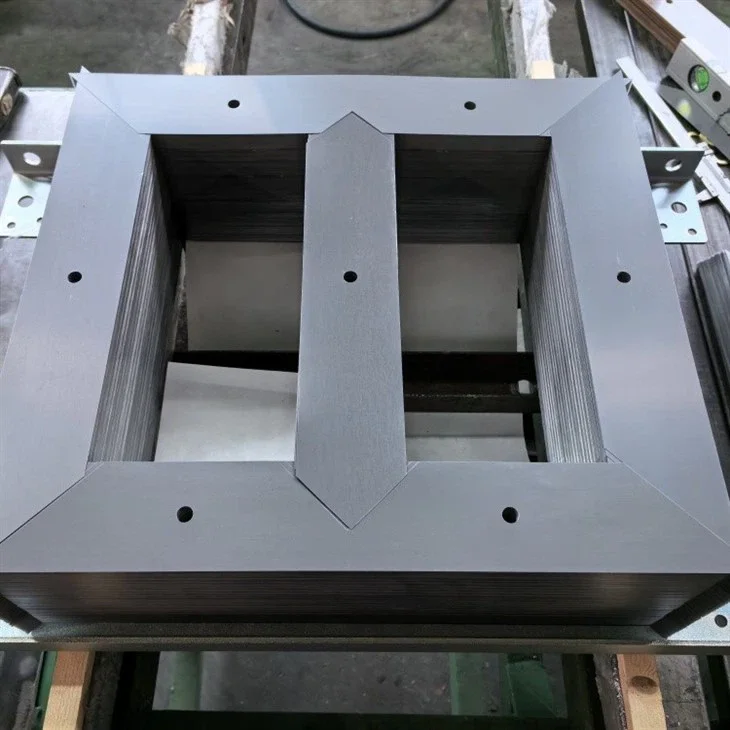
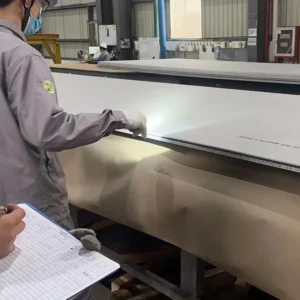
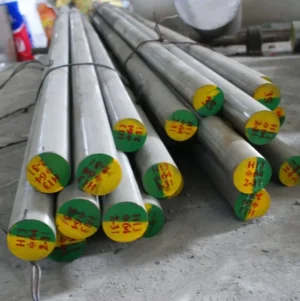
Transformer steel is a soft magnetic material. Manufacturers use it to build transformer cores. These cores guide magnetic fields inside power equipment. The steel contains a small amount of silicon. Usually, silicon content ranges from one to four percent. This addition raises electrical resistance. As a result, unwanted current loops shrink. Those loops are called eddy currents. Less eddy current means less heat. Less heat means higher efficiency. Therefore, transformer steel saves energy over time. It also reduces noise during operation. For these reasons, power plants and grid stations rely on it daily.
The Core Role of Silicon
Silicon does more than raise resistance. It also improves magnetic permeability. Higher permeability lets the core magnetize easily. At the same time, it lowers hysteresis loss. Hysteresis loss comes from repeated magnetization cycles. Every second, a transformer reverses its magnetic field many times. Without silicon, that cycle wastes energy. With silicon, the waste drops sharply. Silicon also makes the steel brittle. So, rolling and cutting need special care. Yet the benefits clearly outweigh the handling costs. This is why almost all transformer steel contains silicon.
Relationship with Electrical Steel
Electrical steel is a broad category. It includes any steel made for magnetic applications. Motors, generators, and transformers all use it. Transformer steel is simply one member of this family. In fact, many experts treat the two terms as synonyms. However, a subtle distinction remains. Electrical steel covers low and high silicon grades. Transformer steel often refers to high silicon grades. Those grades suit low-frequency power transformers. So, every piece of transformer steel is electrical steel. But not every electrical steel is transformer steel. This relationship is important for procurement teams.
Relationship with Silicon Steel
Silicon steel is another common label. It highlights the alloy’s main additive. In practice, silicon steel and transformer steel overlap heavily. Most silicon steel goes into transformer cores. That is why the names interchange in daily business. Still, silicon steel can appear in other devices. For example, some motors use silicon steel too. Conversely, a few transformer steels use extra elements. Aluminum or manganese may join the mix. These additions tune specific magnetic properties. So, silicon steel describes composition. Transformer steel describes application. Both describe the same basic product in most cases.
Why the Confusion Exists
The three terms often appear together in catalogs. A supplier may list grain-oriented silicon steel. Another may call it transformer steel. A third may say electrical steel. All three refer to similar sheet products. The confusion grows because no global standard fixes the names. Different regions prefer different labels. In the United States, electrical steel is common. In Asia, silicon steel is widely used. In Europe, transformer steel appears often. For buyers, the key is to check the technical data sheet. Look at silicon content, thickness, and core loss. Those numbers matter more than the label.
Practical Value for Buyers
Choosing the right steel affects total cost of ownership. A high-quality transformer steel lowers no-load loss. That saving continues for decades. It also reduces cooling needs. Smaller cooling systems cut capital expenses. In addition, better steel allows compact core designs. Compact cores save space in crowded substations. For renewable energy projects, this matters even more. Wind and solar farms use many small transformers. Efficient steel boosts their overall output. Therefore, procurement teams should compare grades carefully. They should also verify magnetic properties from independent labs.
Conclusion
Transformer steel, electrical steel, and silicon steel share a close bond. Transformer steel is a silicon-rich electrical steel. It serves mainly in power transformers. Electrical steel is the larger family. Silicon steel emphasizes the alloy content. In most real-world transactions, the terms point to the same material. Yet smart buyers know the subtle differences. They focus on silicon percentage, core loss, and thickness. By doing so, they select the best steel for each job. This approach saves energy, money, and maintenance over the long run.



 English
  Japanese
  Korean
  French
  German
  Spanish
  Portuguese
  Russian
  Arabic
  Italian
  Turkish
  Dutch
Dutch  Polish
  Swedish
  Danish
  Norwegian
  Finnish
  Greek
Greek  Hungarian
  Czech
Czech  Romanian
  Bulgarian
  Slovenian
  Croatian
  Slovak
  Malay
Malay  Indonesian
  Thai
Thai  Vietnamese
  Myanmar
  Khmer
Khmer  Lao
Lao  Tagalog
  Hindi
Hindi  Bengali
  Urdu
Urdu  Nepali
  Sinhala
  Hebrew
  Ukrainian
  Serbian
  Icelandic
  Swahili