

What is Inconel 725 used for?
Introduction to Inconel 725

Inconel 725 is a nickel- -molybdenum alloy. It belongs to the family of superalloys. Engineers often choose it for demanding environments. The alloy combines high strength with excellent corrosion resistance. As a result, Inconel 725 finds use in oil and gas, aerospace, and marine industries. This article explains what Inconel 725 is used for. It also covers its key properties and typical applications.
Key Properties That Drive Its Use
Inconel 725 offers exceptional resistance to stress corrosion cracking. It also resists pitting and crevice corrosion. The alloy contains niobium and titanium. These elements allow it to be age-hardenable. Through proper heat treatment, it achieves very high yield strength. Meanwhile, it maintains good ductility and toughness. These properties make it suitable for harsh conditions. For instance, it performs well in sour gas wells. It also handles high-pressure and high-temperature service.
Primary Applications in Oil and Gas
One major use of Inconel 725 is in oil and gas extraction. The alloy is used for downhole tubulars and completion tools. It also appears in valves, hangers, and packers. These parts face aggressive fluids like hydrogen sulfide and chlorides. Inconel 725 resists sulfide stress cracking. Therefore, it helps prevent sudden failures. Companies use it in deepwater wells and high-pressure wells. It also serves in geothermal systems where temperatures are extreme. The alloy reduces maintenance needs and improves safety.
Aerospace and Marine Applications
Inconel 725 is also used in aerospace components. Examples include fasteners, springs, and engine parts. These parts need strength at high temperatures. The alloy maintains its properties up to about 1200°F. In marine environments, it is used for propeller shafts and pumps. Seawater is highly corrosive. Inconel 725 resists both corrosion and erosion. As a result, it extends the life of critical equipment. Naval vessels and offshore platforms often rely on this alloy.
Chemical and Nuclear Industries
The chemical processing industry uses Inconel 725 for reactors and heat exchangers. These vessels handle acids and other corrosive chemicals. The alloy’s resistance to reducing and oxidizing media is valuable. In nuclear applications, it is used for control rod drive mechanisms. It also appears in springs and seals. These parts must resist radiation and high temperatures. Inconel 725 performs well in both areas. However, engineers must follow strict codes for nuclear use.
Other Uses and Forms
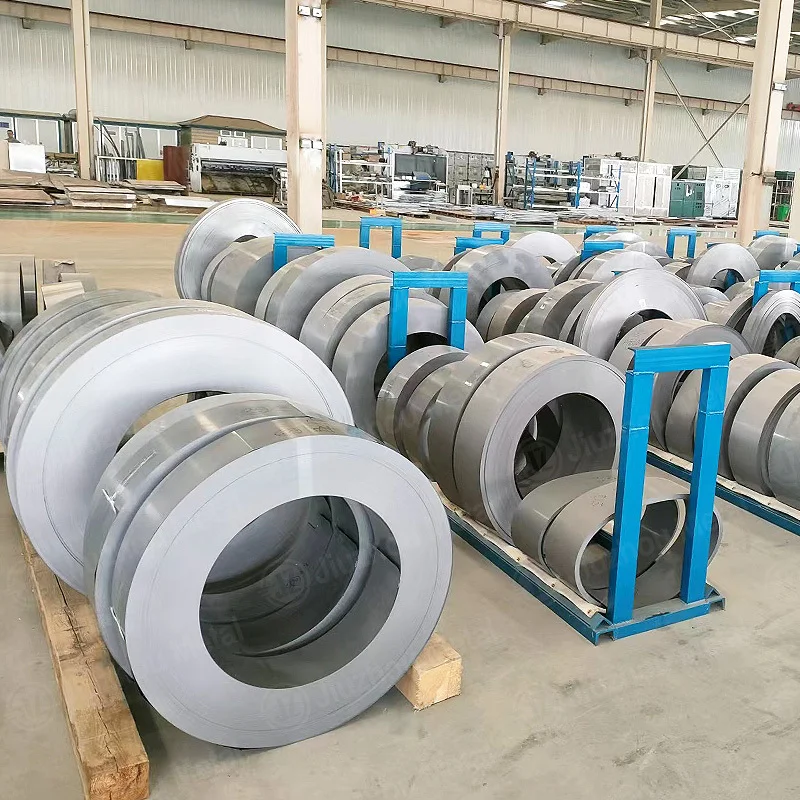
Inconel 725 is available in various forms. These include bar, wire, plate, and tubing. Each form serves different needs. For example, wire is used for welding and springs. Bar stock is machined into valves and fittings. The alloy can also be forged and heat treated. This flexibility allows designers to use it in many shapes. Other uses include pollution control equipment and submarine parts. Even some medical devices use it, though less common.
Conclusion: The Value of Inconel 725
Inconel 725 provides a rare mix of strength and corrosion resistance. It solves problems in oil and gas, aerospace, marine, chemical, and nuclear fields. When engineers need a material that lasts in severe conditions, they often select Inconel 725. Its age-hardenable nature allows for high strength without losing toughness. Although it costs more than standard alloys, its long service life reduces total costs. For critical applications, Inconel 725 is a reliable choice. It continues to be a valuable superalloy in modern industry.







 English