
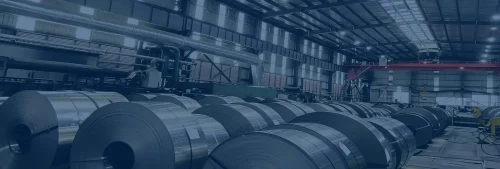
Why Silicon Steel Laminations Are Widely Used for Generator Stators
The adoption of thép silic laminations for generator stators stems from their unique electromagnetic properties and manufacturing merits. This material drastically cuts energy loss while maintaining high magnetic permeability, making it critical for boosting overall generator efficiency.
I. Advantages in Electromagnetic Performance
High magnetic permeability stands as one of thép silic’s core strengths. During generator operation, the stator must rapidly respond to fluctuating magnetic fields. Silicon steel effectively concentrates magnetic flux lines and reduces magnetic reluctance, thereby amplifying magnetic field intensity. This property streamlines electromagnetic energy conversion and directly improves the generator’s power output.
Beyond high permeability, silicon steel features low coercivity. It can be magnetized and demagnetized rapidly under alternating magnetic fields, minimizing energy waste caused by hysteresis effects. Meanwhile, its high saturation magnetic flux density guarantees stable magnetic performance even under heavy load conditions.
II. Loss Suppression
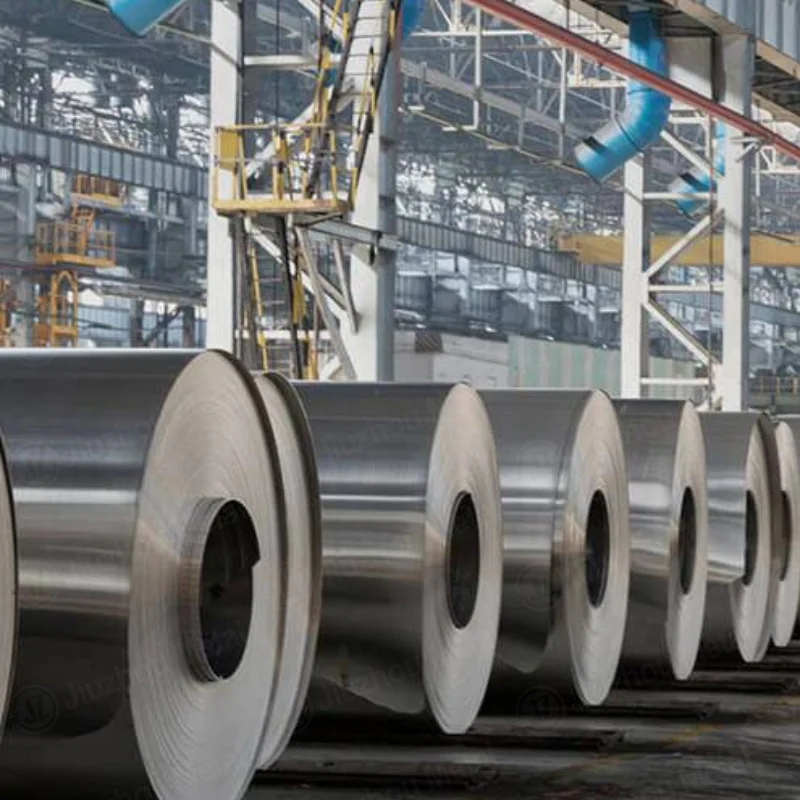
Eddy current loss and hysteresis loss are unavoidable energy losses inside generators. With silicon alloying and specialized rolling processes, silicon steel forms thin sheets with elevated electrical resistivity, which strongly restrains eddy current generation. Stacked silicon steel laminations further break conductive paths for eddy currents, substantially lowering losses of the stator exposed to alternating magnetic fields.
III. Merits in Manufacturing Processes
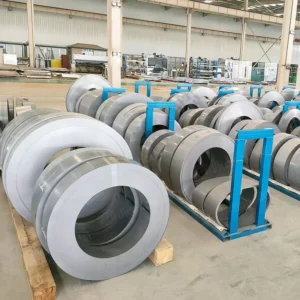
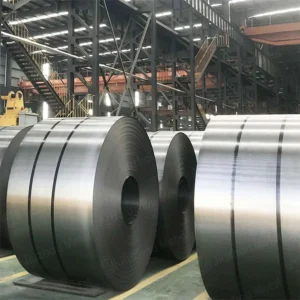
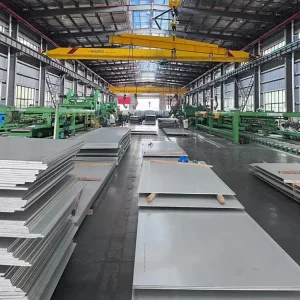
From a production perspective, the thin gauge of silicon steel allows easy stamping to precisely match the geometric design of stator slots. Stacked silicon steel packs maintain structural integrity, and surface insulating coatings prevent short circuits between individual sheets. This process is suitable for mass production while securing the mechanical strength and dimensional stability of stator cores.
IV. Material Selection Considerations
In practical deployment, silicon steel selection requires trade-offs among sheet thickness, silicon content and heat treatment procedures. Higher silicon content raises resistivity yet increases material brittleness; thinner laminations reduce eddy current loss but push up manufacturing costs. An optimal balance is normally determined according to the generator’s operating frequency and power density.
Taking electromagnetic performance, loss control and process compatibility into full account, silicon steel laminations constitute the ideal material for generator stators. Rational application of this material directly determines the energy efficiency and operational reliability of power generation equipment.





 English
  Japanese
  Korean
  French
  German
  Spanish
  Portuguese
  Russian
  Arabic
  Italian
  Turkish
  Dutch
Dutch  Polish
  Swedish
  Danish
  Norwegian
  Finnish
  Greek
Greek  Hungarian
  Czech
Czech  Romanian
  Bulgarian
  Slovenian
  Croatian
  Slovak
  Malay
Malay  Indonesian
  Thai
Thai  Vietnamese
  Myanmar
  Khmer
Khmer  Lao
Lao  Tagalog
  Hindi
Hindi  Bengali
  Urdu
Urdu  Nepali
  Sinhala
  Hebrew
  Ukrainian
  Serbian
  Icelandic
  Swahili