
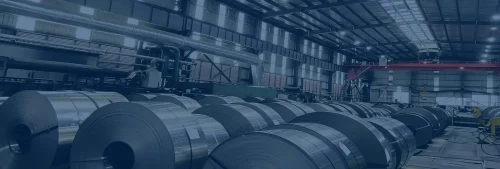
xx Wind Power Generator Core Ultra-Thin Silicon Steel Lamination Processing and Delivery Case: Optimizing Energy Efficiency and Performance
In the rapidly evolving landscape of renewable energy, wind power generators have become a cornerstone in the fight against climate change. Among the various components that contribute to the efficiency and performance of these generators, the role of ultra-thin سیلیکون اسٹیل lamination cannot be overstated. This article delves into the processing and delivery of XX Wind Power Generator Core Ultra-Thin سیلیکون اسٹیل Lamination, exploring how it optimizes energy efficiency and performance. What are the key benefits of ultra-thin سیلیکون اسٹیل lamination in wind power generators? How does the processing of these laminae contribute to improved performance? What are the challenges faced in the delivery of such high-precision components? These questions form the crux of our discussion.
The ultra-thin silicon steel lamination is a critical component in the core of wind power generators. Its primary function is to minimize energy losses due to hysteresis and eddy currents. Traditional thicker laminations were known to cause significant energy losses, which directly impacted the overall efficiency of the generator. The introduction of ultra-thin silicon steel lamination has addressed this issue significantly. These laminae are engineered to be as thin as possible while maintaining the necessary structural integrity, thereby reducing the magnetic core’s weight and volume without compromising on performance.
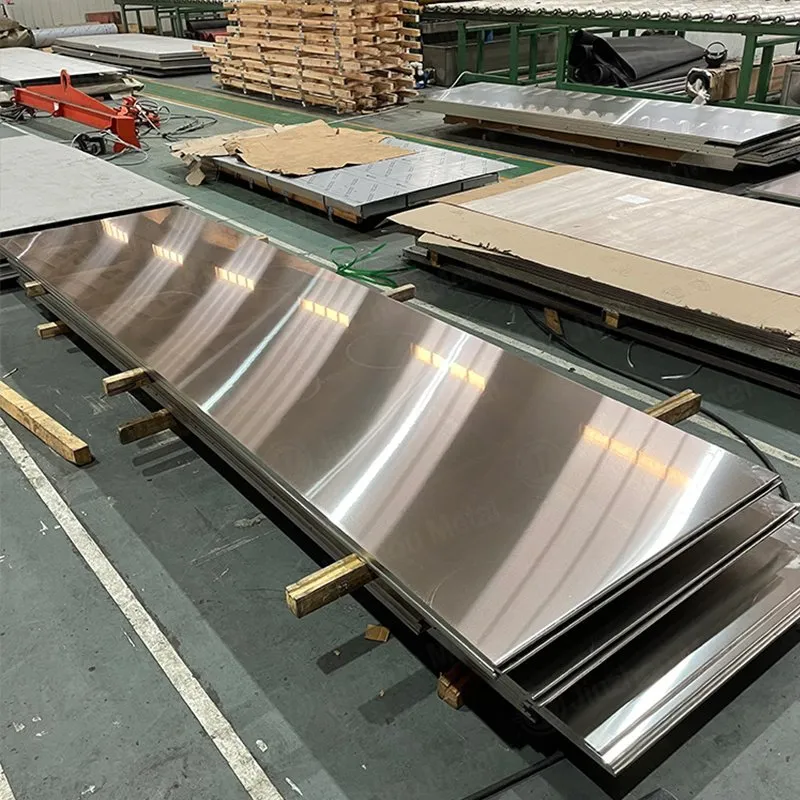
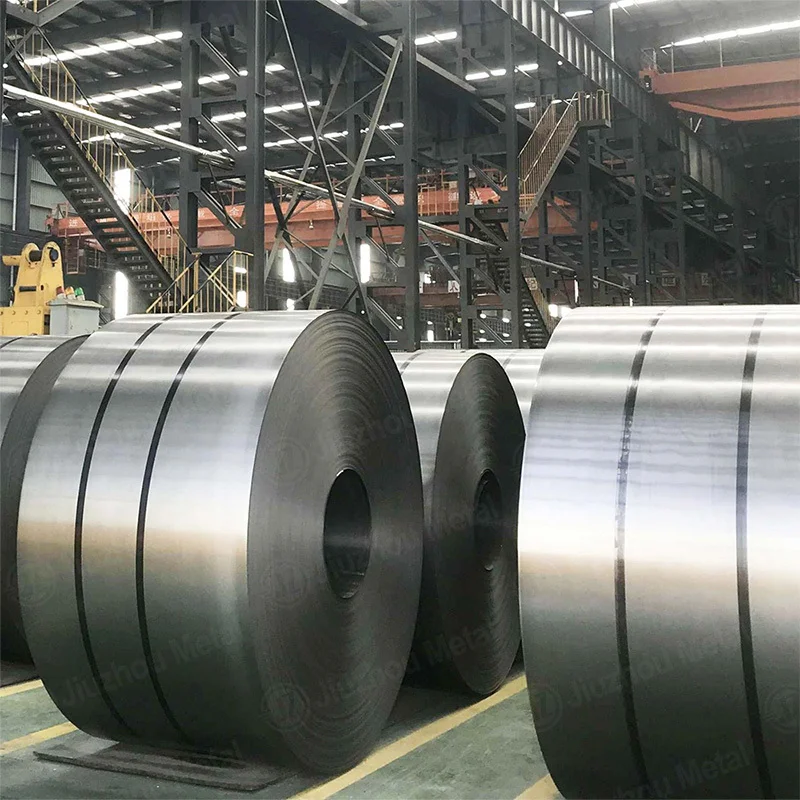
The processing of ultra-thin silicon steel lamination is a complex and meticulous task. It involves several steps, including material selection, thinning, coating, and stacking. The material must be carefully chosen to ensure it has the right balance of magnetic properties and electrical conductivity. Thinning the material to the required thickness is a challenging process that requires advanced machinery and techniques. Coating the laminae with绝缘 material is crucial to prevent short circuits and further enhance efficiency. Finally, stacking these laminae in the generator core requires precision to ensure optimal magnetic field alignment.
Despite the technological advancements, there are challenges in the delivery of ultra-thin silicon steel lamination. The fragility of the material makes it susceptible to damage during transportation. Special packaging and handling procedures are necessary to ensure that the laminae arrive at their destination in perfect condition. Additionally, the demand for these high-precision components is increasing, which puts pressure on manufacturers to maintain consistent quality and supply. How can manufacturers address these challenges while meeting the growing demand for ultra-thin silicon steel lamination?
The benefits of using ultra-thin silicon steel lamination in wind power generators are numerous. Firstly, it significantly reduces energy losses, thereby increasing the generator’s efficiency. This translates to more electricity being generated for the same amount of wind, making wind power a more viable and cost-effective renewable energy source. Secondly, the reduced weight and volume of the lamination allow for more compact and lightweight generators, which can be installed in areas where space and weight are limited. This opens up new possibilities for wind power generation in urban and offshore environments.
Furthermore, the use of ultra-thin silicon steel lamination contributes to the longevity of wind power generators. By reducing energy losses, the generator operates more smoothly, which reduces wear and tear on other components. This leads to lower maintenance costs and longer operational life for the generators. In conclusion, the processing and delivery of XX Wind Power Generator Core Ultra-Thin Silicon Steel Lamination are crucial steps in optimizing energy efficiency and performance in wind power generators. As the demand for renewable energy continues to grow, these advancements will play a pivotal role in shaping the future of wind power.
Keyword: ultra-thin silicon steel lamination, wind power generator, energy efficiency, performance, processing, delivery, magnetic core, hysteresis, eddy currents, renewable energy, wind power generation, material selection, thinning, coating, stacking, insulation, transportation, packaging, handling, longevity, maintenance costs




 English
  Japanese
  Korean
  French
  German
  Spanish
  Portuguese
  Russian
  Arabic
  Italian
  Turkish
  Dutch
Dutch  Polish
  Swedish
  Danish
  Norwegian
  Finnish
  Greek
Greek  Hungarian
  Czech
Czech  Romanian
  Bulgarian
  Slovenian
  Croatian
  Slovak
  Malay
Malay  Indonesian
  Thai
Thai  Vietnamese
  Myanmar
  Khmer
Khmer  Lao
Lao  Tagalog
  Hindi
Hindi  Bengali
  Urdu
Urdu  Nepali
  Sinhala
  Hebrew
  Ukrainian
  Serbian
  Icelandic
  Swahili