

Technical Key Points for Ensuring Uniformity in Tin Layer Control
Ensuring uniformity in tin layer control is crucial for the durability and performance of electronic components. The tin layer, often applied as a protective and solderable coating, must adhere to precise specifications to prevent issues such as tin whiskers, cold joints, and poor solderability. This article delves into the technical key points that must be considered to maintain uniformity in tin layer control across various manufacturing processes. The first critical aspect is the selection of the appropriate tin alloy.
Different tin alloys, such as Sn-Pb, Sn-Ag, or Sn-Cu, offer varying levels of mechanical strength, corrosion resistance, and solderability. The choice of alloy depends on the specific application requirements and environmental conditions. For instance, Sn-Pb alloys were widely used due to their excellent solderability, but their usage has been phased out in many regions due to environmental concerns, leading to the adoption of Sn-Ag or Sn-Cu based alloys. The composition of the alloy must be precisely controlled to ensure consistency in the tin layer’s properties. The second key point is the preparation of the substrate surface. The surface must be clean and free from contaminants that could interfere with the tin layer’s adhesion and uniformity. Surface preparation techniques such as cleaning, etching, and activating are essential to achieve the desired surface condition.
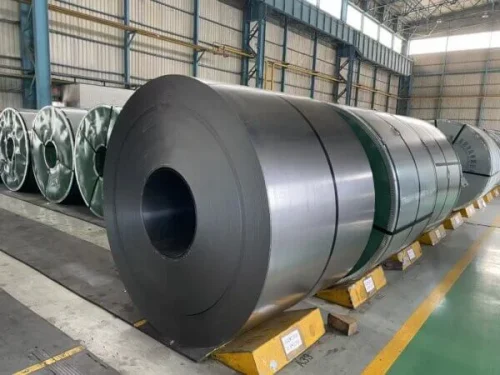
The use of appropriate cleaning agents and etchants helps to remove oxides, oils, and other impurities that could compromise the quality of the tin layer. Additionally, the surface roughness and texture must be controlled to ensure uniform wetting by the tin. The third critical factor is the application method of the tin layer. Various methods, including electroplating, hot dipping, and chemical plating, are employed to apply the tin layer. Each method has its own set of parameters that must be carefully controlled to achieve uniformity. For example, in electroplating, the current density, temperature, and duration of the plating process must be optimized to ensure a consistent tin layer thickness. Similarly, in hot dipping, the temperature of the molten tin and the speed at which the substrate is withdrawn must be precisely controlled. The fourth key point is the control of process parameters during the tin layer application. Parameters such as temperature, pressure, and time play a significant role in determining the uniformity of the tin layer. For instance, in reflow soldering, the temperature profile must be carefully controlled to ensure that the tin layer melts and wets the solder pads uniformly.
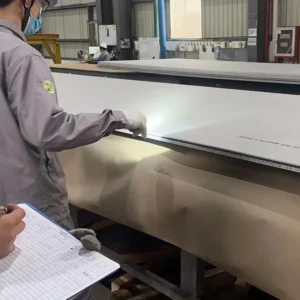
Any deviations in the temperature profile can lead to uneven heating, resulting in inconsistent solder joints. The fifth critical aspect is the inspection and quality control of the tin layer. Regular inspections using methods such as visual inspection, X-ray, and surface roughness measurements are essential to identify any deviations from the desired specifications. Automated inspection systems can be employed to enhance the efficiency and accuracy of the inspection process. Additionally, statistical process control techniques must be implemented to monitor and adjust the manufacturing process in real-time, ensuring that the tin layer meets the required uniformity standards. The sixth key point is the handling and storage of components with tin layers. Exposure to moisture, oxygen, and other environmental factors can lead to oxidation and degradation of the tin layer, affecting its performance.
Therefore, components with tin layers must be stored in controlled environments, such as moisture barriers or vacuum chambers, to prevent degradation. Proper handling techniques must also be employed during transportation and assembly to avoid scratches or other damage to the tin layer. In conclusion, ensuring uniformity in tin layer control requires a comprehensive approach that encompasses the selection of appropriate tin alloys, meticulous surface preparation, precise control of application methods and process parameters, rigorous inspection and quality control, and proper handling and storage of components. By adhering to these technical key points, manufacturers can produce electronic components with reliable and consistent performance, minimizing the risks associated with tin layer defects.
The continuous advancements in materials science and manufacturing technologies further enhance the capabilities of tin layer control, enabling the production of high-quality electronic components that meet the demanding requirements of modern electronics. As the industry evolves, it is essential for manufacturers to stay updated with the latest developments and best practices in tin layer control to maintain competitiveness and deliver superior products to their customers.




 English
  Japanese
  Korean
  French
  German
  Spanish
  Portuguese
  Russian
  Arabic
  Italian
  Turkish
  Dutch
Dutch  Polish
  Swedish
  Danish
  Norwegian
  Finnish
  Greek
Greek  Hungarian
  Czech
Czech  Romanian
  Bulgarian
  Slovenian
  Croatian
  Slovak
  Malay
Malay  Indonesian
  Thai
Thai  Vietnamese
  Myanmar
  Khmer
Khmer  Lao
Lao  Tagalog
  Hindi
Hindi  Bengali
  Urdu
Urdu  Nepali
  Sinhala
  Hebrew
  Ukrainian
  Serbian
  Icelandic
  Swahili