

Analysis of Safety Material Standards for Food-Grade Tinplate
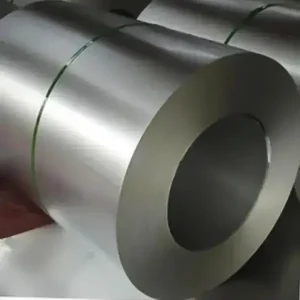
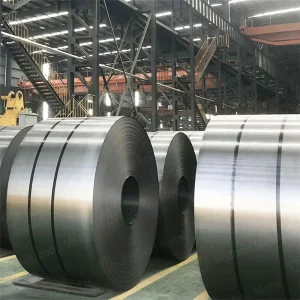
The safety of food-grade tinplate is a critical consideration in the packaging industry, as it directly impacts consumer health and the integrity of the packaged products. Tinplate, a composite material consisting of a tin coating on a steel substrate, offers excellent protection against corrosion, light, and oxygen, making it ideal for food packaging.
However, ensuring that tinplate meets stringent safety material standards is essential to prevent any potential contamination or health risks. This article delves into the analysis of safety material standards for food-grade tinplate, highlighting the key factors that contribute to its safety and reliability. The composition of tinplate plays a pivotal role in determining its safety profile.
The tin layer, typically ranging from 0.3 to 1 micron in thickness, serves as a barrier that prevents the underlying steel from coming into contact with the food. This tin layer must be free from harmful substances such as lead, which can leach into the food and pose health risks. Regulatory bodies around the world have established strict guidelines to ensure that the tin used in food-grade tinplate is of high purity and free from contaminants. For instance, the European Union’s Regulation (EC) No 1935/2004 sets forth comprehensive criteria for food contact materials, including tinplate, to ensure they do not pose any risk to human health. In addition to the purity of the tin coating, the steel substrate also needs to meet specific safety standards. The steel used in tinplate must be of low carbon content and free from coatings that could potentially into the food.
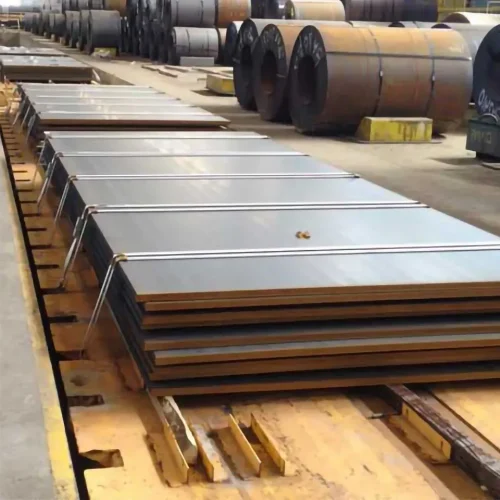
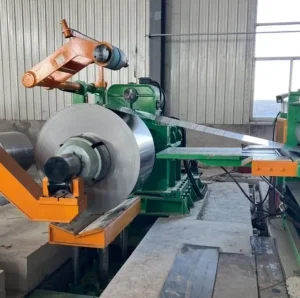
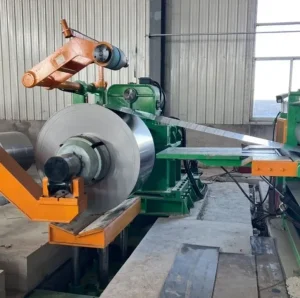
This is particularly important for products that come into prolonged contact with the tinplate, such as canned goods and preserves. The manufacturing process of tinplate is another critical factor that influences its safety. The hot-dip tin coating process, commonly used in the production of tinplate, involves dipping steel sheets into molten tin to create a uniform and durable coating. This process must be carefully controlled to ensure that the tin layer is free from defects such as pinholes or inconsistencies, which could compromise its integrity.
Furthermore, the use of lead-free solders in the assembly of tinplate packaging is essential to prevent the migration of lead into the food. Lead, a toxic metal, can have severe health consequences if ingested, making its presence in food packaging highly undesirable. The packaging industry has made significant advancements in lead-free solder technologies, which have become the standard for food-grade tinplate production. Testing and quality control are indispensable components of ensuring the safety of food-grade tinplate. Regular testing procedures must be implemented to verify that the tinplate meets all applicable safety standards. These tests include chemical analysis to detect the presence of harmful substances, as well as physical tests to assess the integrity of the tin coating. For example, the migration test measures the amount of tin that can leach from the packaging into the food under specified conditions. These tests provide assurance that the tinplate used in food packaging is safe for consumers.
Environmental considerations also play a significant role in the safety of food-grade tinplate. The production and disposal of tinplate must be managed in a way that minimizes environmental impact. This includes the use of sustainable manufacturing practices and the recycling of tinplate to reduce waste. The recycling process for tinplate is highly efficient, as tin and steel are easily recoverable and can be reused without losing quality. This sustainability aspect adds to the overall safety and environmental friendliness of tinplate as a packaging material.
In conclusion, the safety of food-grade tinplate is a multifaceted issue that requires careful attention to its composition, manufacturing process, and regulatory compliance. The stringent safety material standards set by regulatory bodies worldwide ensure that tinplate used in food packaging is free from harmful substances and poses no risk to consumer health. The advancements in lead-free solder technologies and the implementation of rigorous testing and quality control measures further enhance the safety and reliability of tinplate as a packaging material.
By adhering to these standards and continuously improving manufacturing practices, the food packaging industry can ensure that tinplate remains a safe and sustainable choice for protecting food products. The ongoing research and development in this field also contribute to the enhancement of tinplate’s safety profile, making it an increasingly preferred material for food packaging applications.
As consumer awareness of food safety continues to grow, the importance of using high-quality, safe materials like food-grade tinplate cannot be overstated. The industry’s commitment to meeting stringent safety standards and embracing sustainable practices ensures that tinplate remains a trusted and reliable packaging solution for the future.




 English
  Japanese
  Korean
  French
  German
  Spanish
  Portuguese
  Russian
  Arabic
  Italian
  Turkish
  Dutch
Dutch  Polish
  Swedish
  Danish
  Norwegian
  Finnish
  Greek
Greek  Hungarian
  Czech
Czech  Romanian
  Bulgarian
  Slovenian
  Croatian
  Slovak
  Malay
Malay  Indonesian
  Thai
Thai  Vietnamese
  Myanmar
  Khmer
Khmer  Lao
Lao  Tagalog
  Hindi
Hindi  Bengali
  Urdu
Urdu  Nepali
  Sinhala
  Hebrew
  Ukrainian
  Serbian
  Icelandic
  Swahili