
Batch Custom Silicon Steel Laminations: Optimizing Mass Electrical Equipment Production
In the realm of electrical equipment manufacturing, the efficiency and performance of components play a pivotal role in determining the overall success of a product. Among these components, سیلیکون اسٹیل laminations are crucial for transformer cores, motors, and other electrical machines. The process of batch custom سیلیکون اسٹیل laminations has evolved significantly, aiming to optimize mass electrical equipment production. This article delves into the challenges and innovations in this field, exploring how batch customization can enhance efficiency and reduce costs.
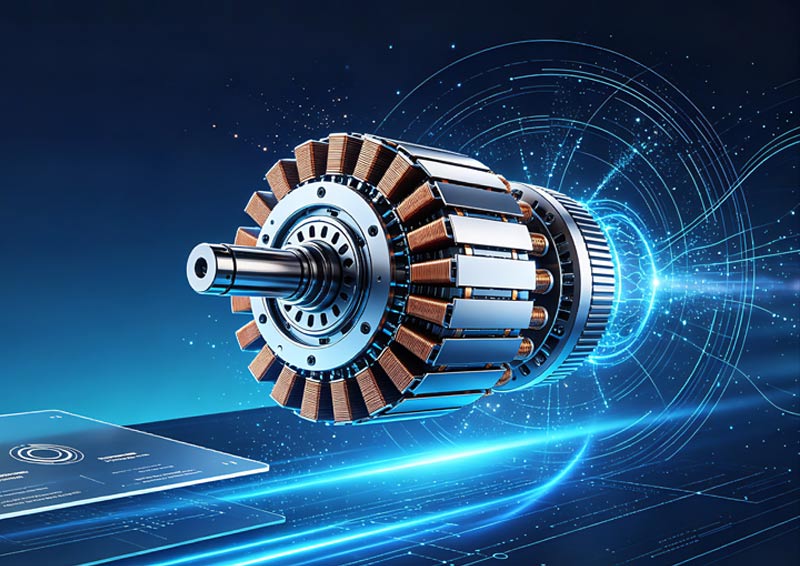
What Are سیلیکون اسٹیل Laminations? Silicon steel laminations are thin sheets of steel coated with an insulating material, used to construct the core of electrical machines. The silicon content in the steel reduces hysteresis losses, making it ideal for high-efficiency applications. The quality and precision of these laminations directly impact the performance of the final product.
Challenges in Batch Customization Batch customization of silicon steel laminations presents several challenges. One of the primary issues is maintaining consistent quality across large batches. Variations in material properties, cutting precision, and coating uniformity can lead to inconsistencies in the final product. Additionally, the high costs associated with specialized machinery and skilled labor can be a significant barrier for manufacturers.
How to Optimize Production? To address these challenges, manufacturers can adopt several strategies. Advanced material selection processes can ensure that the steel used has consistent properties, reducing the likelihood of defects. Automated cutting and coating technologies can enhance precision and efficiency, minimizing human error. Furthermore, implementing quality control measures at every stage of production can help identify and rectify issues early on.
Innovations in Custom Silicon Steel Laminations Recent advancements in manufacturing technology have introduced innovative solutions for batch custom silicon steel laminations. For instance, laser cutting and plasma etching techniques offer higher precision and cleaner edges, improving the performance of the final product. Additionally, smart coating technologies can provide uniform insulation, reducing energy losses.
The Role of Simulation and Modeling Simulation and modeling play a crucial role in optimizing the design and production of silicon steel laminations. By creating virtual models, engineers can predict the behavior of different materials and configurations under various conditions. This allows for the identification of potential issues before the actual production begins, saving time and resources.
Cost Reduction Strategies Cost reduction is a key concern for manufacturers aiming to enhance their competitive edge. One effective strategy is to optimize the supply chain by sourcing materials from reliable suppliers at competitive prices. Additionally, streamlining the production process to minimize waste and rework can significantly reduce costs. Investing in employee training and development can also improve efficiency and reduce errors.
Environmental Impact and Sustainability As the world moves towards sustainability, the environmental impact of manufacturing processes becomes increasingly important. Batch custom silicon steel laminations can be produced using eco-friendly materials and processes, reducing the carbon footprint. Implementing energy-efficient technologies and recycling waste materials can further contribute to sustainable manufacturing practices.
Conclusion Batch custom silicon steel laminations are essential for optimizing mass electrical equipment production. By addressing the challenges of customization, adopting innovative technologies, and focusing on cost reduction and sustainability, manufacturers can enhance the efficiency and performance of their products. As the demand for high-efficiency electrical equipment grows, the importance of optimized silicon steel lamination production will only increase.








 English
 Japanese
 Korean
 French
 German
 Spanish
 Portuguese
 Russian
 Arabic
 Italian
 Turkish
 Dutch
 Polish
 Swedish
 Danish
 Norwegian
 Finnish
 Greek
 Hungarian
 Czech
 Romanian
 Bulgarian
 Slovenian
 Croatian
 Slovak
 Malay
 Indonesian
 Thai
 Vietnamese
 Myanmar
 Khmer
 Lao
 Tagalog
 Hindi
 Bengali
 Urdu
 Nepali
 Sinhala
 Hebrew
 Ukrainian
 Serbian
 Icelandic
 Swahili