
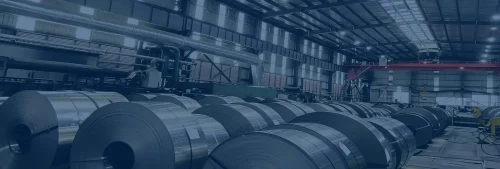
Рекомендації щодо вибору оцинкованих листових матеріалів для застосування в умовах інтенсивної експлуатації
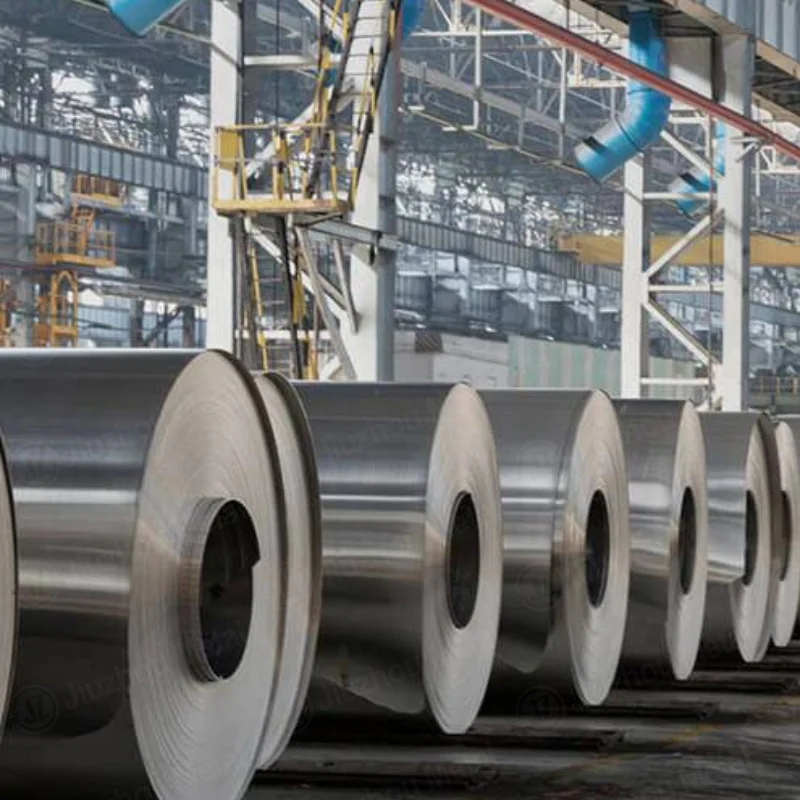
When selecting tin-plated sheet materials for heavy-duty applications, it is essential to consider several critical factors to ensure optimal performance and durability. The choice of material significantly impacts the longevity and efficiency of the final product. One of the primary considerations is the grade of the tin coating. High-quality tin coatings provide better corrosion resistance, which is crucial in environments where the material is exposed to harsh chemicals or moisture. The thickness of the tin layer also plays a vital role; a thicker coating offers enhanced protection against wear and tear, making it suitable for industrial applications that require high abrasion resistance. Additionally, the base material’s properties must be evaluated.
Materials such as steel or stainless steel are commonly used due to their strength and structural integrity. The compatibility between the tin coating and the base material is essential to prevent any delamination or degradation over time. Another important aspect is the surface finish of the tin-plated sheet. A smooth and uniform surface finish ensures better adhesion for paints, coatings, or other treatments, which can further enhance the material’s performance. In heavy-duty applications, the material must also meet specific mechanical requirements, such as tensile strength and impact resistance.
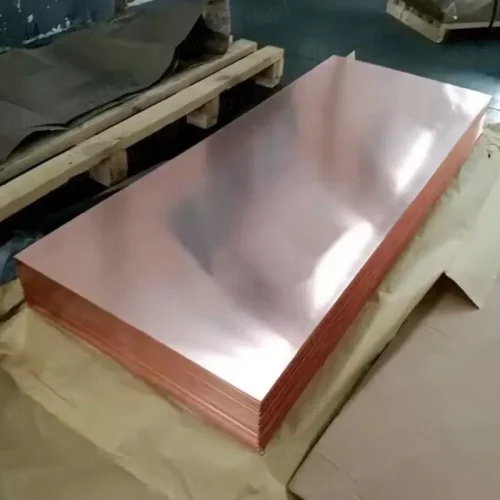
These properties ensure that the material can withstand extreme conditions without failing. Environmental factors must also be taken into account. For instance, materials used in outdoor applications should have UV resistance to prevent degradation from sunlight exposure. Similarly, materials exposed to high temperatures or extreme cold should be selected based on their thermal stability.
The manufacturing process used to apply the tin coating can also influence the material’s quality. Processes such as hot-dip or electroplating offer different benefits in terms of coating uniformity and thickness consistency. It is crucial to choose a process that aligns with the specific requirements of the application. Furthermore, cost considerations should not be overlooked. While high-quality materials may have a higher initial cost, they often provide better long-term value due to their durability and reduced maintenance needs. In conclusion, selecting the right tin-plated sheet material for heavy-duty applications requires a thorough evaluation of various factors, including the grade and thickness of the tin coating, the properties of the base material, surface finish, mechanical requirements, environmental resistance, manufacturing process, and cost.
By carefully considering these elements, one can ensure that the chosen material meets the stringent demands of heavy-duty applications, providing reliable performance and longevity. The right material selection not only enhances the functionality of the final product but also reduces the risk of failures and costly repairs, making it a critical decision in industrial and manufacturing processes.
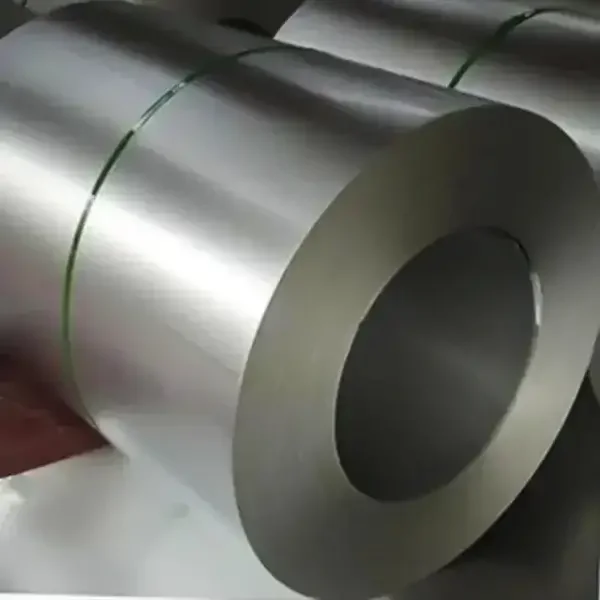
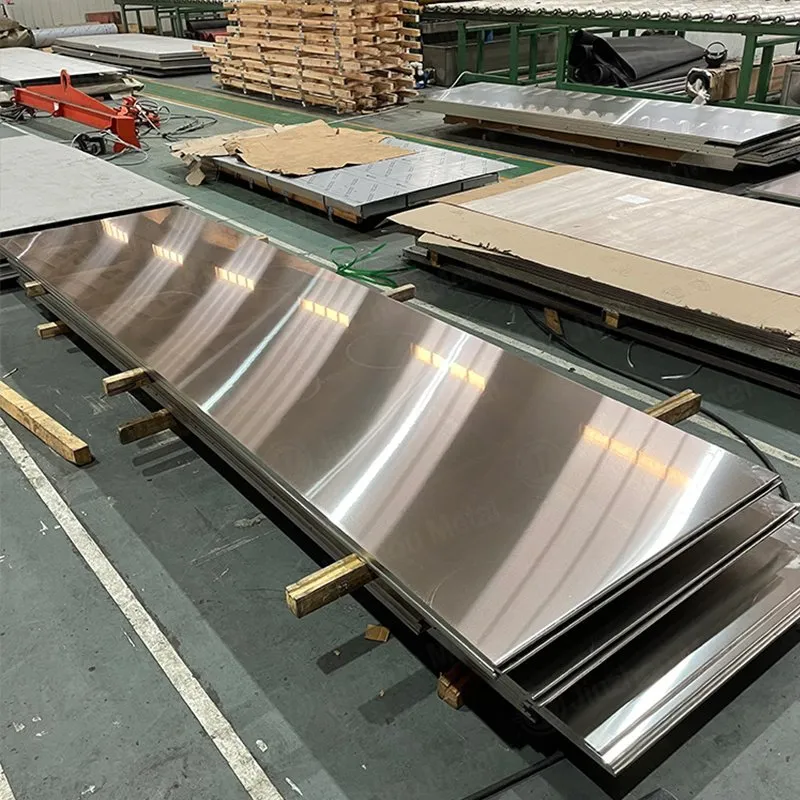






 English
  Japanese
  Korean
  French
  German
  Spanish
  Portuguese
  Russian
  Arabic
  Italian
  Turkish
  Dutch
Dutch  Polish
  Swedish
  Danish
  Norwegian
  Finnish
  Greek
Greek  Hungarian
  Czech
Czech  Romanian
  Bulgarian
  Slovenian
  Croatian
  Slovak
  Malay
Malay  Indonesian
  Thai
Thai  Vietnamese
  Myanmar
  Khmer
Khmer  Lao
Lao  Tagalog
  Hindi
Hindi  Bengali
  Urdu
Urdu  Nepali
  Sinhala
  Hebrew
  Ukrainian
  Serbian
  Icelandic
  Swahili