
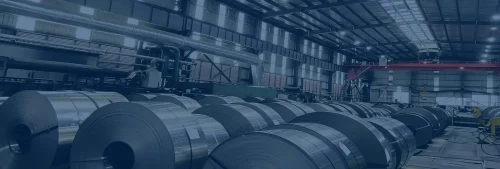
What is silicon steel and what is it used for?
If you are wondering, what is кремнієва сталь and what is it used for? this article breaks down the basics, types, core benefits and common use cases of this critical electromagnetic material. Silicon steel — also known as electrical steel — is a special iron alloy mixed with 1% to 4.5% silicon. Manufacturers add silicon to iron to change its magnetic and electrical properties. Unlike regular carbon steel, which supports structural loads, кремнієва сталь is built for electromagnetic work. It guides magnetic flux and cuts down energy loss when magnetic fields flip back and forth. As a result, this key benefit makes silicon steel essential for power and electrical industries worldwide.
Two Main Types of Silicon Steel
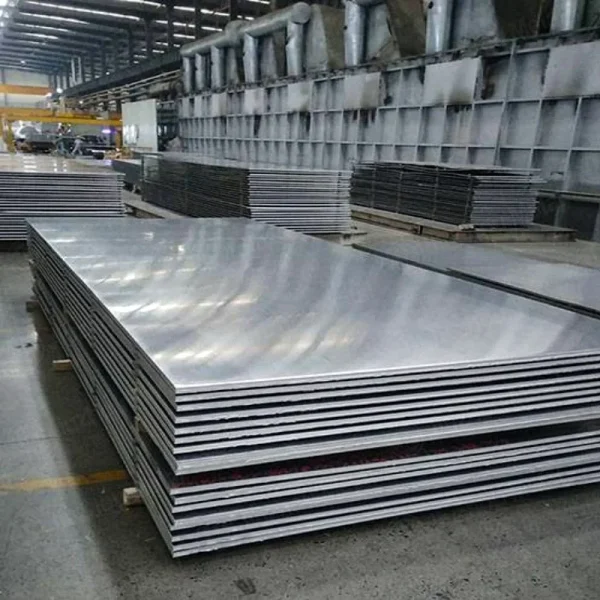
First of all, there are two core categories of silicon steel: grain‑oriented (GO) and non‑grain‑oriented (NGO).
Grain‑oriented silicon steel has aligned crystal grains along its rolling direction. It delivers very low core loss and high magnetic permeability. However, this strong performance only works in that single rolling direction. For this reason, engineers use GO silicon steel mostly for power transformer cores, distribution transformers and high‑efficiency inductors.
On the other hand, non‑grain‑oriented silicon steel features random grain structures. Its magnetic performance stays consistent in every direction. Therefore, it becomes the top choice for rotating electrical machines. Common examples include electric motors, generators and alternators.
How Silicon Steel Reduces Energy Loss
To begin with, adding silicon to iron raises the material’s electrical resistance. Higher resistance reduces eddy current loss, which is one major source of wasted energy inside magnetic cores. Apart from eddy current loss, the second type of waste is hysteresis loss. It happens each time the magnetic field reverses.
Silicon steel keeps hysteresis loss low. Consequently, less energy waste means less heat build‑up. In turn, cooler running conditions extend the service life of coils, insulation and other internal parts in motors and transformers.
Besides alloy composition, surface coating also plays an important role. Most silicon steel sheets come with a thin insulation coating. The coating can be organic or inorganic. It separates stacked steel laminations. In particular, this simple layer stops short circuits between sheets and further suppresses eddy currents.
Common Forms and Processing Notes for Silicon Steel
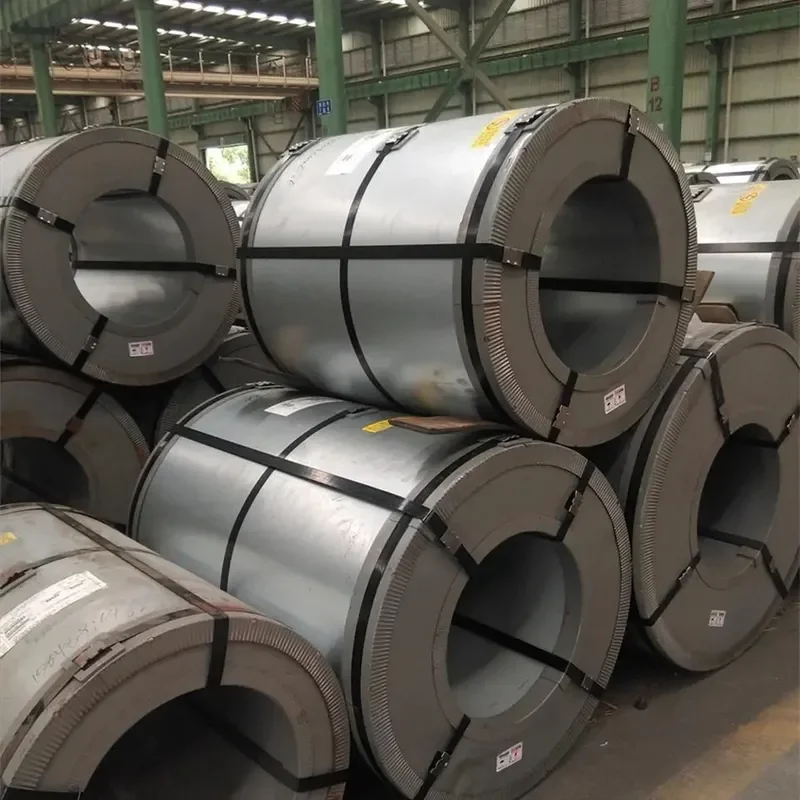
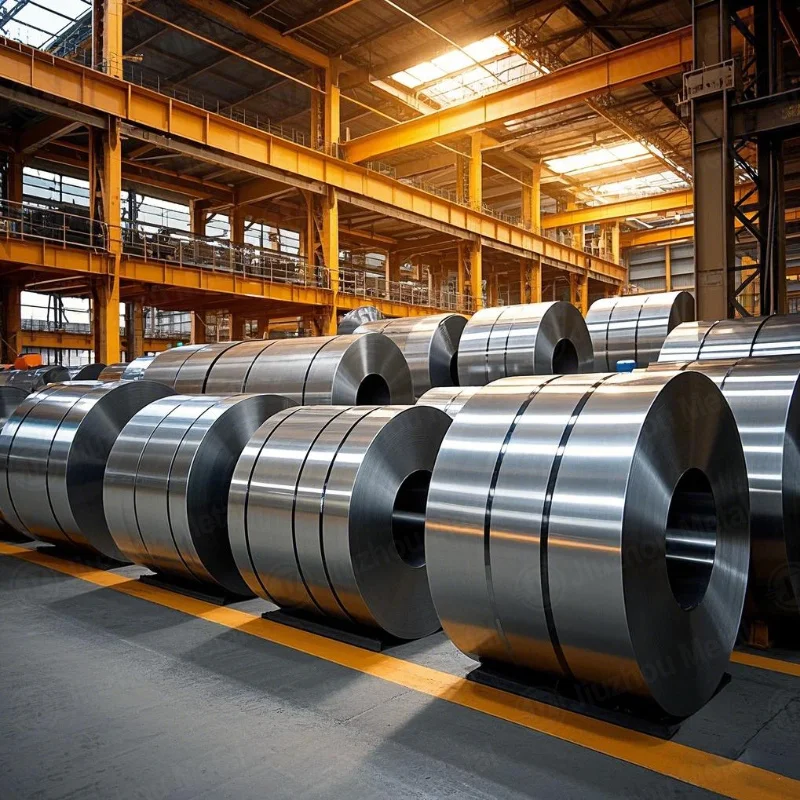
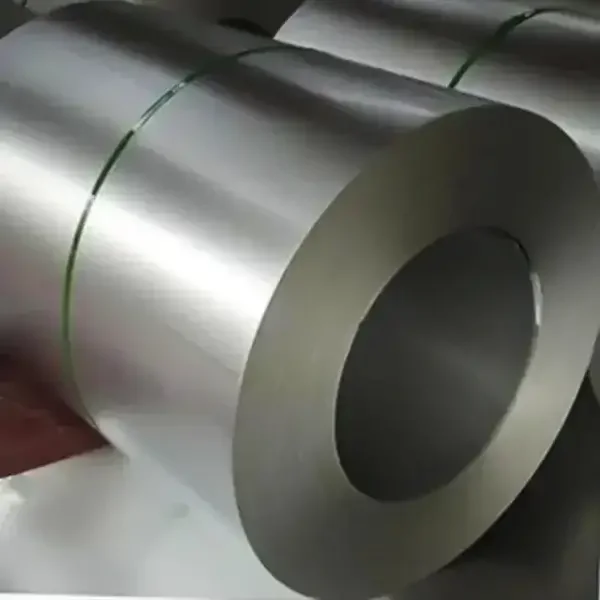
Silicon steel is sold in coils, strips or cut laminations. Product thickness changes based on end‑use scenarios. For instance, thicker sheets work well for low‑frequency industrial transformers. By contrast, ultra‑thin grades serve high‑frequency motors and new energy devices.
Fabricators process silicon steel through slitting, punching, stamping or laser cutting to make laminations. Most importantly, mechanical stress from cutting or bending harms magnetic performance. To solve this problem, many factories run annealing after machining. This heat treatment restores the original magnetic properties of silicon steel.
Real‑World Applications of Silicon Steel
Many buyers search to understand what is silicon steel and what is it used for, especially when selecting magnetic materials for power equipment. Silicon steel supports every stage of power systems: power generation, transmission and consumption.
In the first place, within power grids, grain‑oriented silicon steel forms transformer cores. Transformers step voltage up or down to send electricity across long distances with minimal waste.
Next, for motor production, non‑grain‑oriented silicon steel laminations form stator and rotor cores. You can find these cores in home appliance motors, industrial drive motors, EV traction motors and wind turbine generators. Furthermore, silicon steel also works in reactors, chokes and solenoids. Without silicon steel, power equipment would run far less efficiently and cost more to operate.
Market Demand and Alternative Magnetic Materials
Nowadays, the fast‑growing new energy sector pushes up demand for high‑grade silicon steel. Electric vehicles, energy storage and wind power projects need silicon steel with ultra‑low core loss and stable performance at high frequencies. For this purpose, material makers keep improving alloy formulas, rolling methods and surface coatings to meet stricter global energy efficiency rules.
Of course, other magnetic materials exist, such as ferrite and amorphous alloy. Even so, silicon steel remains the dominant option. It balances reliable performance, mature manufacturing and reasonable cost.
Final Takeaway
All in all, silicon steel is a functional magnetic alloy for alternating magnetic fields. It is not made to carry heavy physical loads. Its core job is lowering magnetic energy loss in electromagnetic devices.
You can find silicon steel everywhere: from large grid transformers down to small household motors. Above all, choosing the right silicon steel type, grade and thickness directly impacts equipment efficiency, heat output and total service life. In conclusion, engineers and buyers need to check working frequency, magnetic flux density, temperature limits and processing methods before finalizing material selection for each project.





 English
  Japanese
  Korean
  French
  German
  Spanish
  Portuguese
  Russian
  Arabic
  Italian
  Turkish
  Dutch
Dutch  Polish
  Swedish
  Danish
  Norwegian
  Finnish
  Greek
Greek  Hungarian
  Czech
Czech  Romanian
  Bulgarian
  Slovenian
  Croatian
  Slovak
  Malay
Malay  Indonesian
  Thai
Thai  Vietnamese
  Myanmar
  Khmer
Khmer  Lao
Lao  Tagalog
  Hindi
Hindi  Bengali
  Urdu
Urdu  Nepali
  Sinhala
  Hebrew
  Ukrainian
  Serbian
  Icelandic
  Swahili