
In the realm of industrial manufacturing, tin-plating stands as a pivotal process, integral to the production of a myriad of goods that cater to diverse sectors. The manufacturing of tin-plating material is an endeavor that demands an extraordinary level of expertise, honed over years of immersion in the industry. This expertise is not merely about the technical know-how of applying a thin layer of tin onto various substrates but also encompasses a deep understanding of the materials involved, the environmental factors that influence the plating process, and the quality control measures that ensure the final product meets stringent standards.
The journey of mastering tin-plating material manufacturing is one that is fraught with challenges, requiring continuous learning and adaptation to the ever-evolving demands of the market. Years of industry experience have been instrumental in refining the processes and techniques used in tin-plating, leading to the development of methodologies that are both efficient and sustainable. The significance of tin-plating in the industrial landscape cannot be overstated. It serves as a protective coating, preventing corrosion and extending the lifespan of the underlying material. Moreover, the aesthetic appeal of a tin-plated finish makes it a preferred choice for decorative applications. The complexity of the tin-plating process lies in its ability to transform ordinary materials into high-quality products that are both functional and visually appealing. This transformation is achieved through a meticulous combination of chemical baths, temperature control, and precise timing, all of which must be meticulously managed to ensure consistent results.
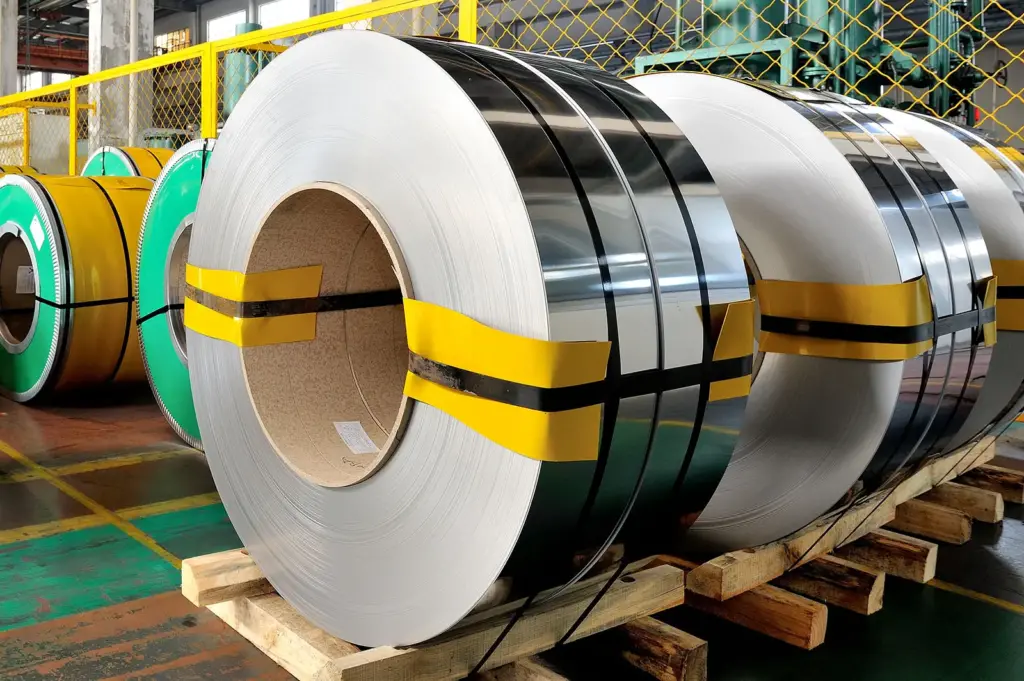
The industry has witnessed significant advancements in tin-plating technology, driven by the need for more environmentally friendly processes and higher quality finishes. Innovations in the field have led to the development of new types of plating solutions that are less harmful to the environment and more efficient in their operation. These advancements are the result of decades of research and development, a testament to the commitment of industry professionals to improving the tin-plating process. Quality control is an indispensable aspect of tin-plating material manufacturing. It involves a series of rigorous tests and inspections to ensure that the final product meets the desired specifications. These tests are designed to assess the thickness of the tin layer, its adhesion to the substrate, and its overall uniformity. Only through stringent quality control can the industry guarantee that the products it manufactures will perform as expected in various applications. The environmental impact of tin-plating has been a subject of concern, particularly in recent years. However, the industry has taken proactive steps to mitigate these concerns by adopting more sustainable practices. This includes the use of biodegradable chemicals, the recycling of waste materials, and the implementation of energy-efficient processes. These measures not only reduce the environmental footprint of tin-plating but also contribute to the long-term sustainability of the industry. The global demand for tin-plated materials continues to grow, driven by the expansion of industries such as electronics, automotive, and construction.
This demand has necessitated the scaling up of tin-plating operations, which in turn has required the hiring of more skilled workers and the investment in additional equipment. The growth of the industry has also led to the formation of new partnerships and collaborations, as companies seek to share knowledge and resources to further advance the field. In conclusion, the manufacturing of tin-plating material is a sophisticated process that requires a deep understanding of the industry and years of experience to master. The expertise that has been developed over the years has enabled the industry to overcome numerous challenges and to continue to innovate in the face of changing market demands. As the industry continues to evolve, it will be essential for professionals to stay abreast of the latest developments and to contribute to the ongoing improvement of tin-plating processes. The result will be a more sustainable, efficient, and high-quality tin-plating industry that serves the needs of a global market.
 Slovenian
  English
  Japanese
  Korean
  French
  German
  Spanish
  Portuguese
  Russian
  Arabic
  Italian
  Turkish
  Dutch
Dutch  Polish
  Swedish
  Danish
  Finnish
  Greek
Greek  Hungarian
  Czech
Czech  Romanian
  Bulgarian
  Slovak
  Croatian
  Malay
Malay  Indonesian
  Thai
Thai  Vietnamese
  Myanmar
  Tagalog
  Hindi
Hindi  Bengali
  Urdu
Urdu  Nepali
  Hebrew
  Ukrainian
  Serbian
  Icelandic
  Swahili