
Silicon Steel vs Electrical Steel: Why Are They The Same Material?
Why is silicijevo jeklo also called electrical steel?
Many industry beginners and overseas buyers often ask the same question: Why is silicijevo jeklo also called electrical steel? The two terms frequently appear interchangeably in transformer, motor, and power manufacturing fields, which easily causes confusion. In fact, these two names refer to the exact same ferromagnetic alloy. The difference lies in their naming perspectives. Silicijevo jeklo gets its name from its chemical composition, while electrical steel is named for its professional application attributes. To fully understand this definition, it is necessary to explore its material characteristics, functional positioning, and industry naming conventions.
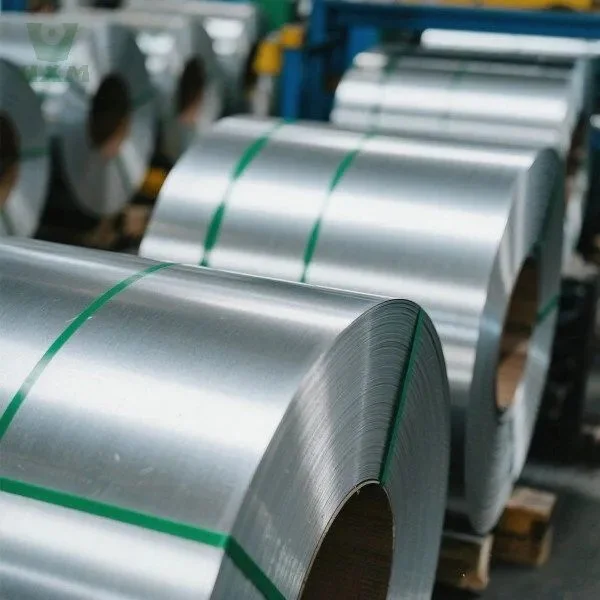
In short, electrical steel is the industry’s functional title, whereas silicon steel is its material composition title. For this reason, the two names have been widely used in global electrical manufacturing and power engineering industries for decades.
Naming Difference: Composition vs. Industrial Function
First of all, the term “silicon steel” focuses entirely on material composition. This alloy is based on pure iron, with a deliberate addition of 1% to 4.5% silicon element. Unlike ordinary structural steel that adds carbon, silicon steel relies on silicon doping to change physical and magnetic properties. Therefore, metallurgists and raw material suppliers prefer to use “silicon steel” to distinguish it from carbon steel, stainless steel, and other iron-based alloys.
On the other hand, the name “electrical steel” highlights its exclusive application scenario. Unlike regular steel used for building, machinery, and load-bearing structures, this alloy has only one core purpose: serving electrical and electromagnetic equipment. Since it is specially engineered for electric power conversion, energy transmission, and magnetic field circulation, engineers and electrical technicians uniformly call it electrical steel. This is the core reason why silicon steel is also known as electrical steel.
Exclusive Electrical Functional Properties Define Its Industry Name
To further explain the dual naming rule, we need to analyze why this material deserves the professional title of electrical steel. Most importantly, it possesses unique electrical and magnetic properties that no other common steel can match. Firstly, silicon steel has ultra-low core loss under alternating current conditions. As we all know, all electrical equipment with magnetic cores will produce hysteresis loss and eddy current loss during operation.
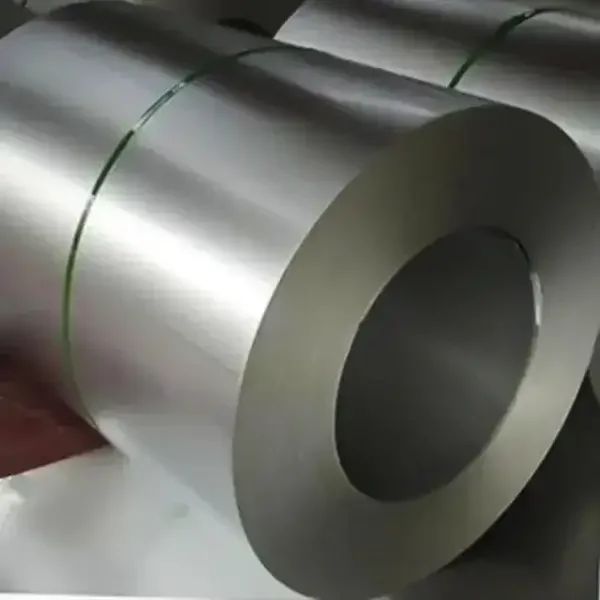
However, silicon element greatly improves the resistivity of iron-based materials. This feature effectively suppresses current loss and heat generation. As a result, the material can adapt to long-term cyclic magnetization in electrical devices. In addition, it has high magnetic permeability, which helps electrical equipment efficiently gather magnetic flux and improve energy conversion efficiency.
Furthermore, silicon steel features low magnetostriction and stable electromagnetic performance. These professional electrical characteristics make it irreplaceable in the power industry. For this reason, the electrical engineering industry collectively defines it as electrical steel, emphasizing its professional electrical functions rather than its chemical ingredients.
Unified Industry Naming Standards and Global Habits
In addition to functional differences, industry naming standards also promote the dual use of the two titles. In European and American electrical industries, “electrical steel” is more commonly used in technical documents, industry standards, and equipment manuals. It is a standardized professional term that represents all low-loss magnetic steel for electrical applications.
By contrast, “silicon steel” is more popular in metallurgy, raw material trading, and steel processing industries. It is a material classification term used to classify alloy types and guide production and sales. Even so, the two terms cover exactly the same product range, including grain-oriented silicon steel and non-grain-oriented silicon steel.
Notably, there is no difference in product quality, performance, or application scope between silicon steel and electrical steel. They are completely synonymous in commercial and technical scenarios. Therefore, manufacturers, buyers, and engineers can use the two terms interchangeably without causing misunderstanding.
Why the Dual Names Do Not Affect Practical Application
Many people worry that dual naming may cause selection errors in actual production and procurement. In fact, this situation never happens. Although the names are different, the industry has unified parameter standards for electrical steel and silicon steel.
For instance, whether you search for electrical steel laminations or silicon steel laminations, the products share the same thickness standards, insulation coating requirements, and core loss parameters. Moreover, both names cover the two mainstream product types: GO steel for transformers and NGO steel for motors.
Besides, global electrical equipment manufacturers uniformly recognize both terms in supply chain systems. As a result, the dual naming habit only facilitates classification in different industries and does not change the essential attributes of the material.
Misconceptions to Avoid About Electrical Steel and Silicon Steel
Even in professional industries, some people hold wrong views on these two names. Some mistakenly believe electrical steel is a higher-grade product than silicon steel, or that the two are different materials. In fact, this is a typical misunderstanding.
In truth, grade differences depend on silicon content, processing technology, and core loss indicators, not the naming. A high-grade silicon steel with ultra-low loss is also high-quality electrical steel. Conversely, ordinary low-grade electrical steel is still categorized as silicon steel in material classification.
Another common misconception is that electrical steel includes more material types. Nevertheless, standard industry definitions clearly state that electrical steel exclusively refers to silicon-containing iron alloy magnetic materials, which is exactly the definition of silicon steel.
Zaključek
To sum up, silicon steel is also called electrical steel simply because the two names describe the same material from different perspectives. Silicon steel is a material-based name defined by its silicon alloy composition, while electrical steel is a function-based name defined by its exclusive use in electrical and electromagnetic equipment.
Thanks to its low core loss, high magnetic permeability, and stable electrical performance, this special alloy has become the core material for transformers, motors, generators, and power inductors. Whether you call it silicon steel or electrical steel, it remains the most reliable and cost-effective magnetic material for the global power and electrical manufacturing industry.





 English
  Japanese
  Korean
  French
  German
  Spanish
  Portuguese
  Russian
  Arabic
  Italian
  Turkish
  Dutch
Dutch  Polish
  Swedish
  Danish
  Norwegian
  Finnish
  Greek
Greek  Hungarian
  Czech
Czech  Romanian
  Bulgarian
  Slovenian
  Croatian
  Slovak
  Malay
Malay  Indonesian
  Thai
Thai  Vietnamese
  Myanmar
  Khmer
Khmer  Lao
Lao  Tagalog
  Hindi
Hindi  Bengali
  Urdu
Urdu  Nepali
  Sinhala
  Hebrew
  Ukrainian
  Serbian
  Icelandic
  Swahili