
Silicon Steel
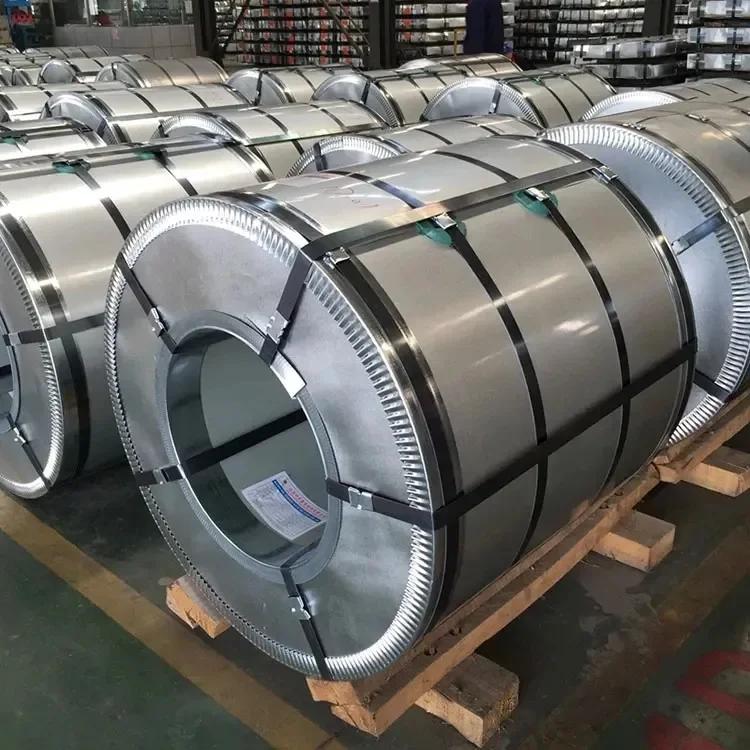
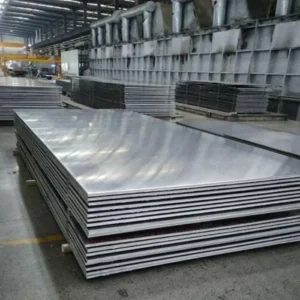
Silicon alloy steel with a silicon content of 1.0–4.5% and carbon content below 0.08% is defined as silicon steel. It features high magnetic permeability, low coercivity and high electrical resistivity, resulting in low hysteresis loss and eddy current loss. It is primarily used as magnetic core materials for motors, transformers, electrical appliances and electrical measuring instruments. A certain degree of plasticity is required to meet blanking and shearing requirements during electrical equipment manufacturing. To boost magnetic induction and cut hysteresis loss, the content of harmful impurities shall be minimized, accompanied by flat plate shape and superior surface quality.
Brief History
In 1900, R.A. Hadfield reported that iron-silicon alloys with 2.5%–5.5% silicon exhibit stronger magnetic properties than pure iron. Hot-rolled silicon steel sheets entered mass production in 1903. In 1934, N.P. Goss developed (110)[001] cold-rolled grain-oriented silicon steel, whose magnetic performance is greatly enhanced parallel to the rolling direction, making it ideal for transformers. Armco Steel Corporation of the United States launched its commercial production in 1935, followed by cold-rolled non-oriented silicon steel. In 1949, Armco produced ultra-thin cold-rolled grain-oriented silicon steel strips of 0.05 mm and 0.1 mm thickness for military applications. In the early 1960s, the United States began large-scale production of low-carbon electrical steel with silicon content less than 0.5%. By the late 1960s, many countries gradually phased out hot-rolled silicon steel production. In 1968, Nippon Steel Corporation of Japan developed and commercialized high-magnetic-induction grain-oriented silicon steel (Hi-B steel). In the mid-1970s, Japan successively launched multiple new grades of grain-oriented silicon steel, non-oriented silicon steel and low-carbon electrical steel. In 1986, Nippon Kokan manufactured high-silicon steel containing 6.5% silicon. China started producing hot-rolled silicon steel in 1954, developed and produced cold-rolled grain-oriented silicon steel thin strips in 1959, and achieved mass production of both cold-rolled grain-oriented and non-oriented silicon steel in 1979.
The global annual output of electrical steel exceeds 6 million tons, accounting for 0.9%–1.3% of total steel output. Japan, the former Soviet Union and the United States each register an annual output above 1 million tons, among which grain-oriented silicon steel makes up approximately 25% and low-carbon low-silicon electrical steel accounts for roughly 65%.

Performance Characteristics
Core loss and magnetic induction serve as the key magnetic quality assurance indicators for silicon steel products. Low core loss of silicon steel drastically cuts power consumption, extends the service life of motors and transformers, and simplifies cooling systems. Power loss caused by silicon steel core loss accounts for 2.5%–4.5% of the world’s annual power generation: transformer core loss takes up about 50%, small motors of 1–100 kW around 30%, and fluorescent lamp ballasts roughly 15%.
High magnetic induction reduces magnetizing current and saves electricity as well. It enables designers to adopt a higher maximum magnetic flux density (Bₘ), thereby shrinking core size and weight and reducing consumption of silicon steel, copper wire, insulating materials and structural components. This lowers both energy loss and manufacturing costs of motors and transformers while facilitating assembly and transportation.
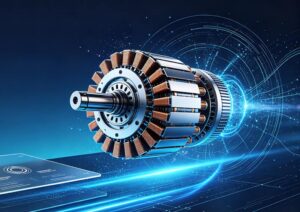
Motors operate with laminated cores assembled from toothed circular laminations, which require magnetically isotropic silicon steel, namely non-oriented silicon steel. Transformers work under static conditions with cores stacked from strip sheets or wound from steel strips, adopting cold-rolled grain-oriented silicon steel with prominent magnetic anisotropy.
Additional requirements include excellent blanking performance, smooth and uniform surface, durable insulating coating and minimal magnetic aging.
Key Performance Requirements
- Low core loss: the most critical quality index of silicon steel sheets. Grades worldwide are classified by core loss values; lower core loss corresponds to higher grade.
- High magnetic induction under strong magnetic fields: reduces core volume and weight of motors and transformers, conserving silicon steel, copper wire and insulating materials.
- Smooth, flat surface and consistent thickness: improves the stacking factor of laminated cores.
- Superior blanking performance: especially vital for micro and small motor manufacturing.
- Insulating coating with strong adhesion and good weldability: provides corrosion resistance and optimizes blanking performance.
Production Process
Pickling
Oxide scales on hot-rolled steel strips are removed via descaling machines and hydrochloric acid tanks to eliminate surface defects in cold-rolled finished products.
Cold Rolling
Reduction ratios ranging from 40% to 90% are adopted to meet thickness and material specifications for diverse applications, supported by advanced automatic thickness control and automatic shape control systems.
Annealing
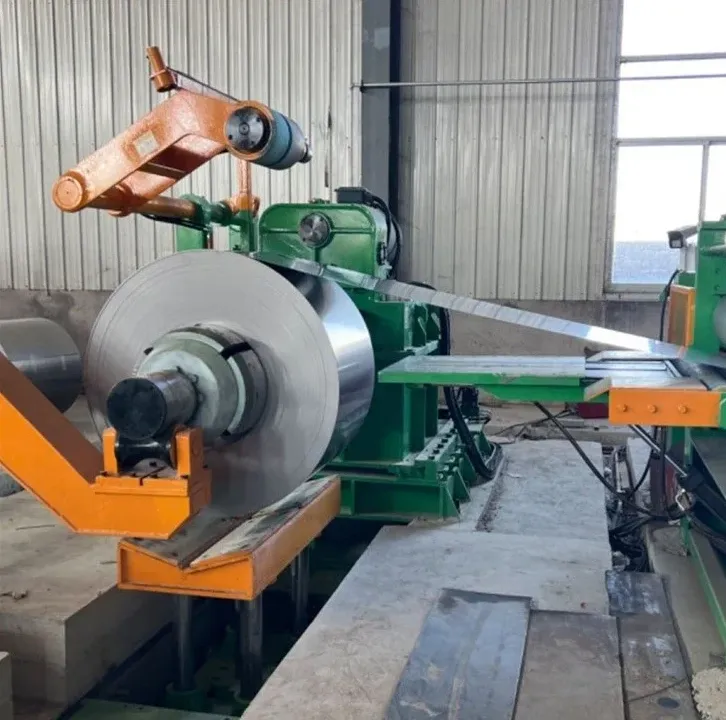
This process softens work-hardened steel strips generated during cold rolling. Heating followed by rapid cooling produces deep-drawing steel and high-tensile steel. Two mainstream annealing methods are applied: batch (bell) annealing and continuous annealing.
Insulating Coating
Before silicon steel sheets are fabricated into iron cores, continuous coating equipment sprays insulating liquid onto both sides of steel strips. The coating improves machinability and suppresses eddy current loss proportional to the square of sheet thickness.





 English