
Creating High-Quality Tin-Plated Substrates Using the Cold Rolling Process
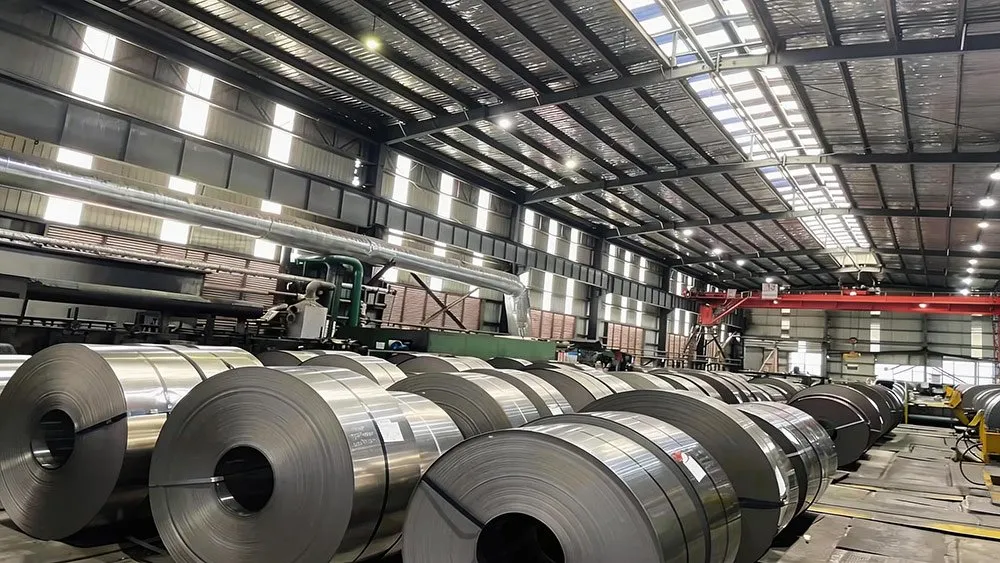
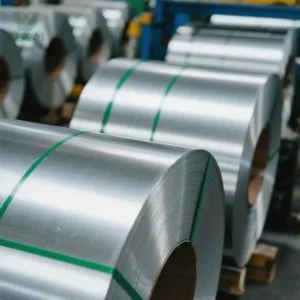
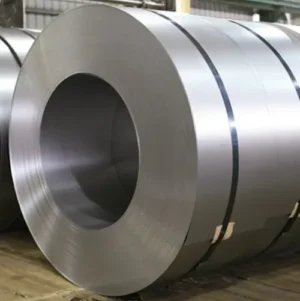
The cold rolling process is a fundamental technique in the manufacturing of high-quality tin-plated substrates. This method involves the application of compressive forces to tin-plated materials at low temperatures, resulting in refined grain structures and enhanced mechanical properties. The process begins with the preparation of the base material, typically a steel sheet that is coated with a layer of tin. This tin layer is crucial as it provides corrosion resistance and other functional benefits to the final product.
The steel sheet, coated with tin, undergoes several stages of cold rolling, each contributing to the improvement of the material’s characteristics. During the initial stages, the material is passed through rollers that apply pressure, causing the sheet to deform and thin. This deformation helps in aligning the grains within the material, leading to increased strength and reduced brittleness. As the cold rolling process progresses, the thickness of the sheet is gradually reduced, and the tin layer becomes more uniform. This uniformity is essential for ensuring consistent performance across the entire substrate. The controlled environment in which the cold rolling process is conducted is critical. Temperature and humidity levels must be carefully monitored to prevent any adverse effects on the material. Additionally, the lubricants used during the rolling process play a significant role in minimizing friction and ensuring smooth deformation. The final stage of the cold rolling process involves precise control over the thickness and surface finish of the tin-plated substrate.
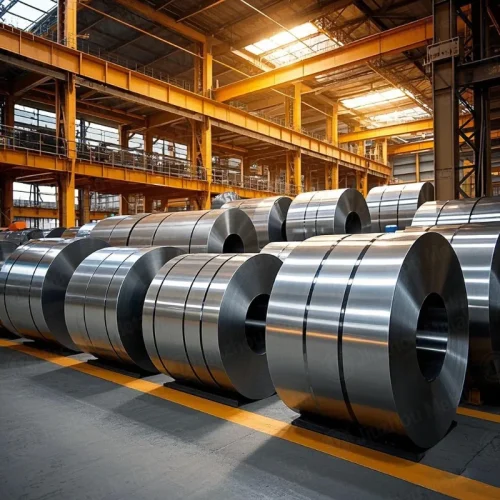
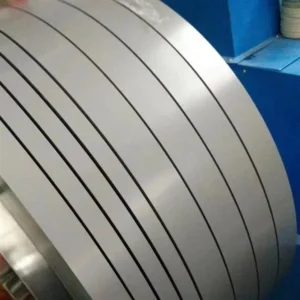
This is achieved through fine-tuning the rolling parameters and employing advanced quality control measures. The result is a high-quality tin-plated substrate that meets stringent industry standards. The benefits of using the cold rolling process for tin-plated substrates are numerous. The refined grain structure and enhanced mechanical properties make the material more durable and reliable for various applications. Furthermore, the uniform tin layer provides excellent corrosion resistance, extending the lifespan of the product. The cold rolling process also offers flexibility in terms of customization. By adjusting the rolling parameters, manufacturers can produce substrates with varying thicknesses and surface textures to suit specific requirements. This versatility makes the cold rolling process a preferred choice for industries that demand high-performance tin-plated materials. In conclusion, the cold rolling process is a vital technique for creating high-quality tin-plated substrates.
Its ability to refine grain structures, enhance mechanical properties, and ensure uniformity makes it an indispensable method in the manufacturing of corrosion-resistant materials. As industries continue to evolve, the cold rolling process remains a cornerstone in the production of advanced tin-plated substrates that meet the highest standards of quality and performance.





 English
  Japanese
  Korean
  French
  German
  Spanish
  Portuguese
  Russian
  Arabic
  Italian
  Turkish
  Dutch
Dutch  Polish
  Swedish
  Danish
  Norwegian
  Finnish
  Greek
Greek  Hungarian
  Czech
Czech  Romanian
  Bulgarian
  Slovenian
  Croatian
  Slovak
  Malay
Malay  Indonesian
  Thai
Thai  Vietnamese
  Myanmar
  Khmer
Khmer  Lao
Lao  Tagalog
  Hindi
Hindi  Bengali
  Urdu
Urdu  Nepali
  Sinhala
  Hebrew
  Ukrainian
  Serbian
  Icelandic
  Swahili