
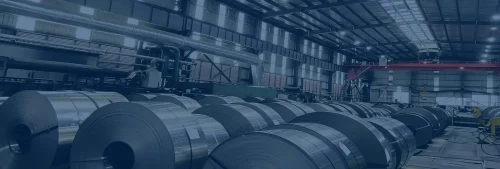
Silicon Steel Grades and Chemical Compositions
စက်တင်ဘာ 14, 2026
ဘလော့ဂ်
I. Basic Classification and Grades of Silicon Steel
Silicon steel, also known as electrical steel, is mainly divided into two categories: grain-oriented ဆီလီကွန်သံမဏိ and non-oriented ဆီလီကွန်သံမဏိ. Typical common grades are listed as follows:
- Non-oriented silicon steel: e.g., 50W600, 35W300. The numbers stand for core loss values, and the letter W denotes non-oriented.
- Grain-oriented silicon steel: e.g., 30Q130, 27QG100. Q represents grain-oriented, and G indicates high magnetic induction.
Generally, the smaller the numbers in the grade designation, the superior the magnetic performance, accompanied by higher material costs.
II. Key Constituents and Their Functions
Apart from iron as the base matrix, silicon steel contains the following critical elements:
- Silicon (Si): Typical content ranges from 1% to 3.5%. It drastically boosts electrical resistivity and suppresses eddy current loss.
- Aluminum (Al): Functions similarly to silicon to optimize magnetic properties.
- Carbon (C): Strictly limited below 0.005% to prevent deterioration of magnetic performance.
- Manganese (Mn): Moderate additions improve hot and cold machinability.
Precise proportional control of these elements determines both electromagnetic and mechanical properties of silicon steel.
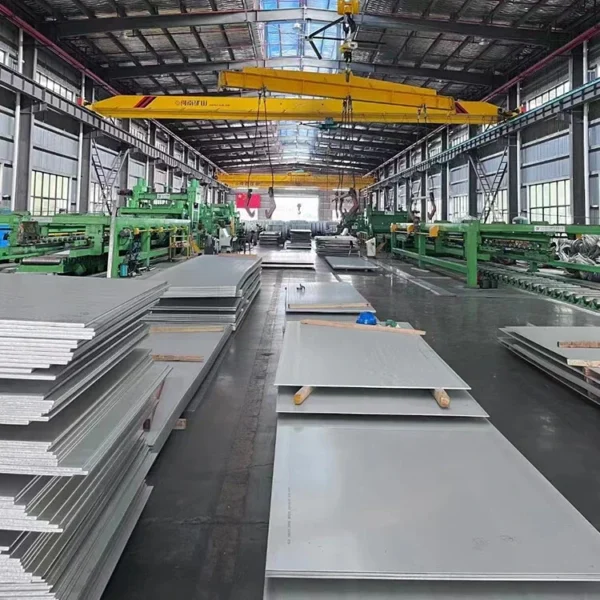
III. Guidelines for Silicon Steel Selection Based on Application Requirements
Key factors to evaluate during material selection:
- Application scenario: Grain-oriented silicon steel is widely used for transformers, while non-oriented grades dominate motor manufacturing.
- Performance standard: Low core-loss grades are required for high-efficiency equipment.
- Cost budget: Premium high-performance silicon steel carries noticeably higher prices.
- Processing technology: Silicon content directly affects stamping and blanking performance.
A comprehensive understanding of the above factors enables selection of the optimal silicon steel grade for specific operating conditions.



 English
  Japanese
  Korean
  French
  German
  Spanish
  Portuguese
  Russian
  Arabic
  Italian
  Turkish
  Dutch
Dutch  Polish
  Swedish
  Danish
  Norwegian
  Finnish
  Greek
Greek  Hungarian
  Czech
Czech  Romanian
  Bulgarian
  Slovenian
  Croatian
  Slovak
  Malay
Malay  Indonesian
  Thai
Thai  Vietnamese
  Myanmar
  Khmer
Khmer  Lao
Lao  Tagalog
  Hindi
Hindi  Bengali
  Urdu
Urdu  Nepali
  Sinhala
  Hebrew
  Ukrainian
  Serbian
  Icelandic
  Swahili