
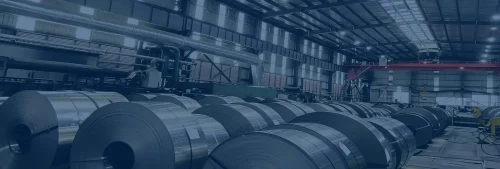
What is the difference between semi-processed transformer steel and fully processed transformer steel
Understanding Semi-Processed and Fully Processed Transformer Steel
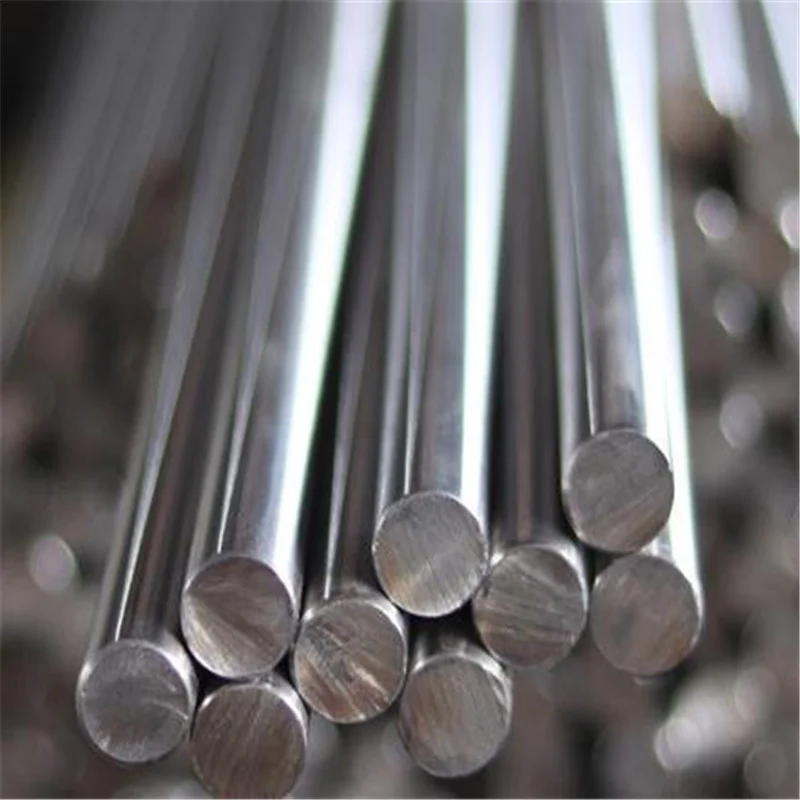
Transformer steel sits at the heart of every electrical grid. It carries magnetic flux with very low loss. Manufacturers offer this material in two main conditions. One is semi-processed. The other is fully processed. Buyers often ask how these two differ. The answer affects cost, performance, and production steps. This article explains the difference clearly. It also helps you choose the right grade for your project.
What Semi-Processed Transformer Steel Means
Semi-processed transformer steel arrives without a final anneal. The mill delivers it in a cold-rolled state. It still contains some carbon and stress. The customer must punch or cut the steel first. After shaping, the parts go through a decarburizing anneal. That heat treatment removes carbon and relieves stress. It also grows the magnetic grains. As a result, the final magnetic properties develop only after this step. Therefore, semi-processed steel gives the user more control. However, it also adds furnace time and energy costs. This option suits small motors and ballasts. It also works well for lower-volume production runs.
What Fully Processed Transformer Steel Means
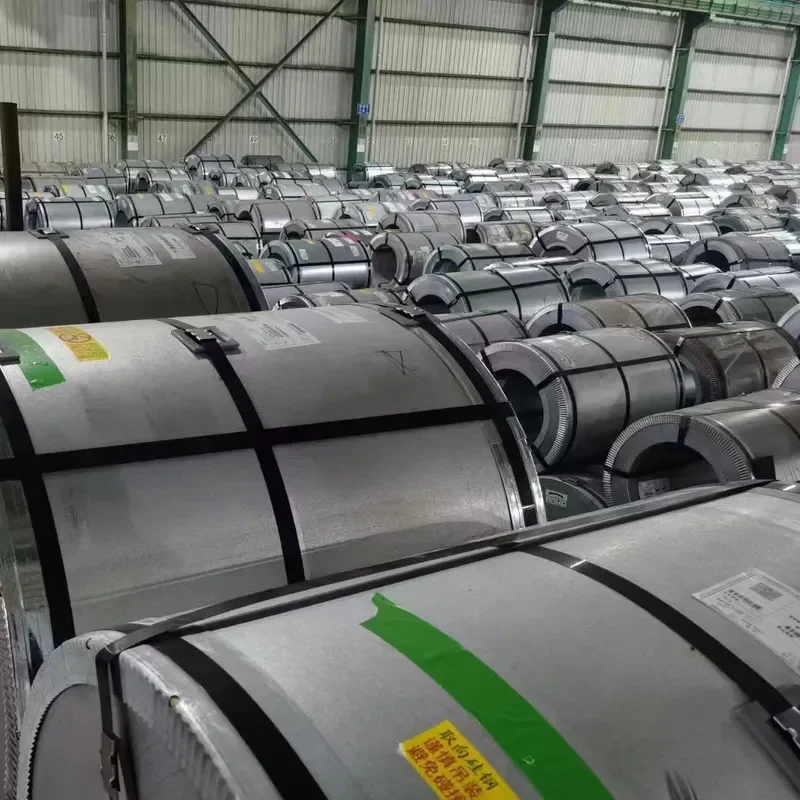
Fully processed transformer steel comes ready to use. The mill performs the final anneal before shipping. It also applies an insulating coating. The carbon level stays very low. The grain structure is already optimized. When you receive this steel, you can punch or laser cut it. Then you can stack the laminations right away. No further heat treatment is needed. This saves time and avoids costly furnace operations. Consequently, fully processed steel offers consistent magnetic properties. It also reduces scrap and rework. You will find it in high-efficiency transformers and large motors. It is the standard choice for mass production.
Key Differences in Magnetic Performance
Magnetic performance depends on grain size and purity. Semi-processed steel has higher core loss before annealing. After a proper anneal, its loss drops significantly. Yet the final result depends on your furnace cycle. Fully processed steel guarantees low core loss from the start. Its permeability is also more uniform. This matters for precise electrical designs. In addition, fully processed steel has better surface insulation. That coating reduces eddy current losses. Semi-processed steel may need a coating after annealing. So the total processing cost can rise. For critical high-frequency applications, fully processed steel usually wins. For cost-sensitive low-frequency uses, semi-processed steel can work well.
Production and Cost Considerations
Semi-processed steel costs less per ton upfront. But you must add annealing and coating steps. Those steps need equipment, labor, and energy. They also create a longer lead time. Fully processed steel costs more as a raw material. Yet it removes several in-house operations. That saves floor space and reduces quality risks. It also lowers the chance of annealing defects. For large orders, the total cost may favor fully processed steel. For small batches, semi-processed steel often makes more sense. Your choice should match your production volume and technical needs.
How to Choose the Right Type
Start by reviewing your design requirements. Check the maximum allowed core loss. Then look at your production capacity. Do you have a reliable annealing furnace? Can you control the atmosphere and temperature? If not, fully processed steel is safer. Also consider your final product size. Small laminations may suffer from handling damage. Fully processed steel avoids extra handling after annealing. If your customer demands tight magnetic tolerances, choose fully processed. If you need flexibility in shaping and heat treatment, semi-processed may fit. Always test both options in a pilot run. That data will guide your final decision.
Conclusion: Matching Steel to Your Process
The difference between semi-processed and fully processed transformer steel lies in where the final anneal happens. Semi-processed steel puts that step in your factory. Fully processed steel puts it at the mill. Each choice brings trade-offs in cost, control, and magnetic performance. Semi-processed steel offers lower material cost but higher processing effort. Fully processed steel offers ready-to-use consistency but a higher purchase price. There is no single best answer. The right selection depends on your production scale, technical resources, and quality targets. By understanding these differences, you can optimize your transformer design and keep your operations efficient.




 English
  Japanese
  Korean
  French
  German
  Spanish
  Portuguese
  Russian
  Arabic
  Italian
  Turkish
  Dutch
Dutch  Polish
  Swedish
  Danish
  Norwegian
  Finnish
  Greek
Greek  Hungarian
  Czech
Czech  Romanian
  Bulgarian
  Slovenian
  Croatian
  Slovak
  Malay
Malay  Indonesian
  Thai
Thai  Vietnamese
  Myanmar
  Khmer
Khmer  Lao
Lao  Tagalog
  Hindi
Hindi  Bengali
  Urdu
Urdu  Nepali
  Sinhala
  Hebrew
  Ukrainian
  Serbian
  Icelandic
  Swahili