
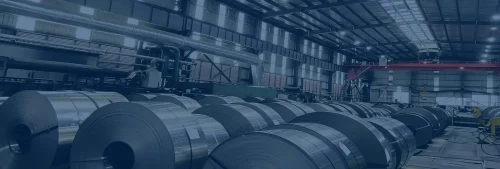
Common defects of transformer steel: wave shape, edge cracking, oxidation and decarburization
Transformer steel plays a vital role in power grids and electrical equipment. Its performance depends on careful manufacturing. However, several common defects can appear during production. These issues affect efficiency and cost. Buyers and engineers should understand them well. This article explains four key defects. They are wave shape, edge cracking, oxidation, and decarburization. Each one requires specific attention.
Understanding Wave Shape in Transformer Steel
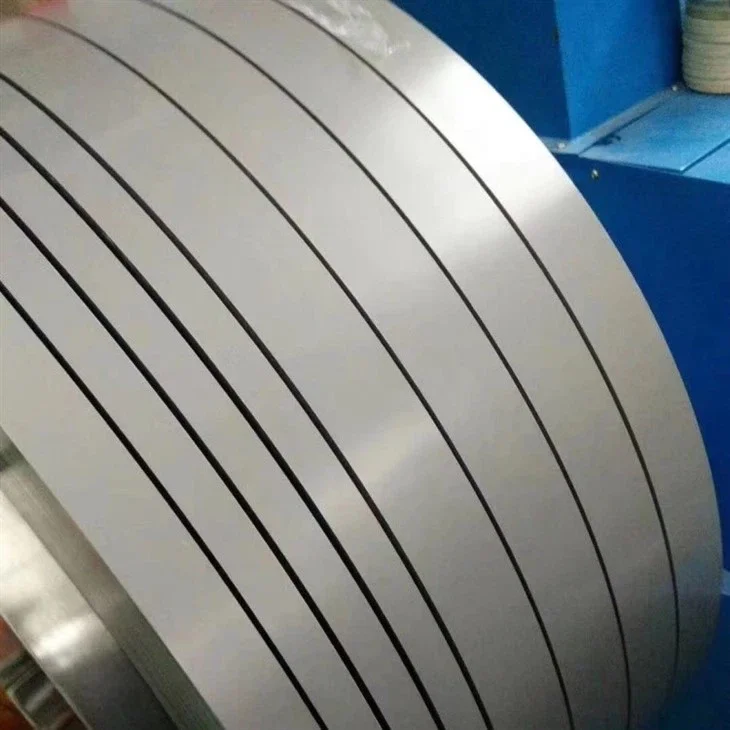
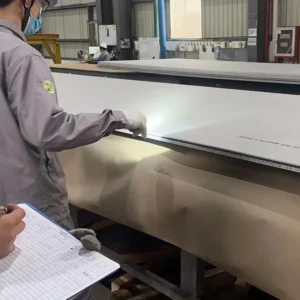
Wave shape refers to unwanted waviness on the steel surface. This defect often arises from uneven rolling forces. Tension differences across the strip also cause it. As a result, the sheet does not lie flat. Poor flatness harms magnetic properties. It also makes stacking difficult during core assembly. Additionally, wave shape reduces the space factor in finished cores. Manufacturers detect this issue with laser scanners. They then adjust roller pressure or tension settings. Proper annealing can also reduce waviness. Yet prevention remains better than correction. Buyers should specify strict flatness tolerances. This step ensures better performance in transformers.
Edge Cracking in Transformer Steel
Edge cracking appears as small fractures along the strip edges. This defect typically results from excessive cold rolling. Low ductility in the material also contributes. Impurities or inclusions make the problem worse. When cracks form, the steel weakens locally. These cracks can propagate during slitting or bending. Consequently, yield losses increase significantly. In severe cases, the entire coil must be scrapped. To prevent edge cracking, producers control rolling reductions. They also maintain proper annealing cycles. Trimming edges after rolling helps remove small flaws. Furthermore, clean steelmaking reduces harmful inclusions. Inspectors use visual checks and microscopy. Early detection saves time and money. For critical applications, edge quality is non-negotiable.
Oxidation Defects on Transformer Steel
Oxidation occurs when steel reacts with oxygen at high temperatures. This reaction forms oxide layers on the surface. In transformer steel, oxidation often happens during annealing. Improper furnace atmospheres accelerate the process. Excessive oxygen or moisture leads to thick scale. This scale harms magnetic properties and insulation coating. It also causes surface roughness and poor punchability. As a result, core losses may increase. To minimize oxidation, producers use controlled atmospheres. Nitrogen or hydrogen mixtures work well. They also maintain tight temperature profiles. Quick cooling after annealing reduces oxide growth. For customers, specifying surface cleanliness is important. Regular supplier audits help ensure consistent quality. Oxidation control directly affects energy efficiency.
Decarburization in Transformer Steel
Decarburization means carbon removal from the steel surface. This defect usually happens during high-temperature processing. The surface carbon reacts with oxygen or hydrogen. As a result, a carbon-depleted layer forms. This layer has different magnetic and mechanical properties. It can cause localized brittleness and poor performance. In grain-oriented steel, decarburization harms core loss. It also affects coating adhesion. To prevent decarburization, producers control furnace dew points. They limit exposure time at critical temperatures. Protective atmospheres with low oxidizing potential help. Some mills use rapid heating and cooling. Testing for carbon content verifies the result. For buyers, decarburization limits should be clearly stated. Consistent quality requires tight process control.
Why These Defects Matter for Buyers and Producers
Each defect impacts transformer efficiency and lifespan. Wave shape reduces packing density. Edge cracking lowers mechanical yield. Oxidation degrades magnetic performance. Decarburization changes core behavior. Together, they raise production costs and energy losses. Therefore, both mills and customers must monitor them. Statistical process control helps track trends. Regular testing ensures compliance with standards. Clear communication between parties prevents surprises. By addressing these common defects, the industry improves reliability. Better transformer steel means better power delivery. This goal benefits everyone involved.
In summary, wave shape, edge cracking, oxidation, and decarburization are serious concerns. They arise from rolling, annealing, and handling steps. Each defect has specific causes and remedies. Prevention relies on tight process control and inspection. Buyers should specify flatness, edge quality, surface cleanliness, and carbon limits. Producers must invest in proper equipment and training. When both sides work together, defect rates drop. Transformer steel quality rises. Ultimately, the power grid becomes more efficient and stable.





 English
  Japanese
  Korean
  French
  German
  Spanish
  Portuguese
  Russian
  Arabic
  Italian
  Turkish
  Dutch
Dutch  Polish
  Swedish
  Danish
  Norwegian
  Finnish
  Greek
Greek  Hungarian
  Czech
Czech  Romanian
  Bulgarian
  Slovenian
  Croatian
  Slovak
  Malay
Malay  Indonesian
  Thai
Thai  Vietnamese
  Myanmar
  Khmer
Khmer  Lao
Lao  Tagalog
  Hindi
Hindi  Bengali
  Urdu
Urdu  Nepali
  Sinhala
  Hebrew
  Ukrainian
  Serbian
  Icelandic
  Swahili