

Standards for thickness tolerance and flatness of transformer steel
Understanding Thickness Tolerance and Flatness Standards for Transformer Steel
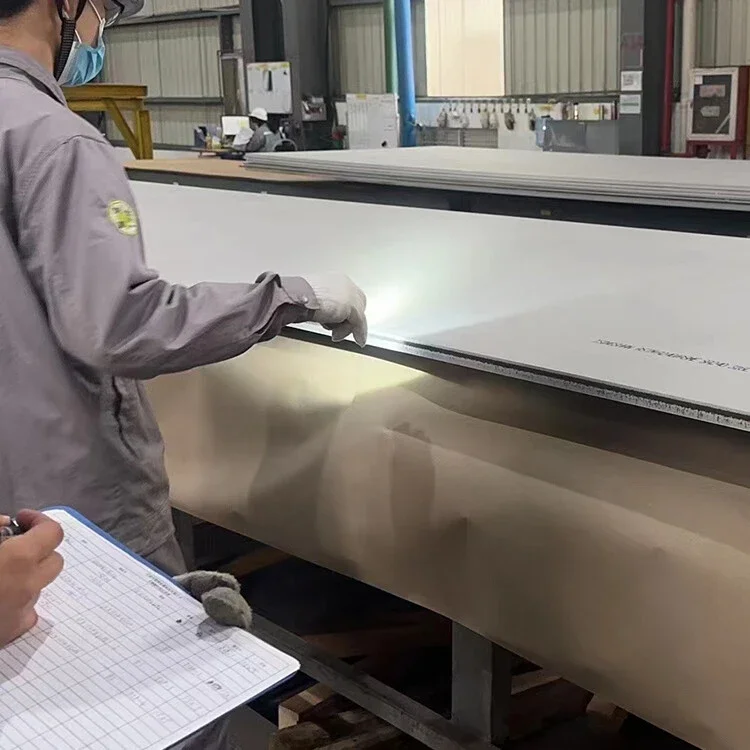
Transformer steel sits at the heart of every magnetic core. Its performance depends on precise physical properties. Among these, thickness tolerance and flatness play a critical role. International standards guide how manufacturers measure and control these features. This article explains the key requirements without unnecessary complexity.
Why Thickness Tolerance Matters for Magnetic Performance
Thickness tolerance defines the allowed variation in a steel sheet’s gauge. Even a small deviation can change magnetic flux density. For transformer steel, typical thicknesses range from 0.23 mm to 0.35 mm. Standards like ASTM A876 and IEC 60404-8-4 set strict limits. These limits usually fall within plus or minus 5 percent. A tighter tolerance reduces eddy current losses. Consequently, energy efficiency improves. Manufacturers must verify thickness at multiple points across each coil. This step ensures consistent lamination stacking later.
Flatness Requirements to Prevent Winding Defects
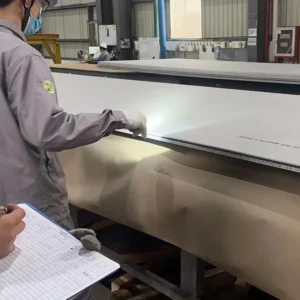
Flatness describes how closely a sheet lies to a true plane. Poor flatness causes waves, twists, or edge buckles. During core assembly, these defects lead to gaps and stress. Such issues raise noise and lower induction. Standards for flatness of transformer steel often use wave height limits. A common rule allows no more than 1.5 percent of wave height relative to wavelength. For higher grades, this limit drops to 1 percent. Measurement occurs on a flat surface under specified tension. Trained inspectors then record the maximum deviation.
How International Standards Differ in Scope
Several bodies publish thickness tolerance and flatness rules. ASTM International focuses on grain-oriented and non-oriented steels. IEC standards provide a global framework for magnetic materials. JIS G 2553 covers Japanese production with tight local tolerances. Each standard defines test conditions differently. For example, some require cold rolling direction checks. Others specify edge wave versus center buckle limits. Buyers must confirm which standard applies before ordering. This clarity prevents disputes over rejected coils.
The Role of Processing and Handling
Thickness tolerance and flatness do not exist in isolation. Annealing and coating steps can alter both properties. Improper tension during slitting introduces new flatness errors. Storage in humid areas may cause rust that mimics thickness variation. Therefore, standards also address packaging and transport. A supplier following these rules maintains quality after shipment. Regular calibration of micrometers and flatness tables is equally vital. Without calibration, even the best standard becomes meaningless.
Practical Implications for Transformer Manufacturers
Designers use thickness tolerance to calculate stacking factors. A loose tolerance forces larger core windows. This change increases copper usage and total cost. Meanwhile, flatness issues slow down automated winding lines. Jams and misalignments raise labor expenses. By choosing steel that meets tight standards, producers gain smoother production. They also achieve lower core loss and quieter operation. In summary, these standards are not bureaucratic hurdles. They directly support reliable, efficient transformer performance.
Conclusion: Value Through Precision
Thickness tolerance and flatness standards for transformer steel protect both quality and cost. They enable consistent magnetic behavior across millions of cycles. Manufacturers who respect these rules deliver better products. Buyers who understand them make smarter purchasing decisions. As energy demands grow, precise steel specifications will only become more important. The right standard is not a constraint. It is a foundation for lasting performance.




 English
  Japanese
  Korean
  French
  German
  Spanish
  Portuguese
  Russian
  Arabic
  Italian
  Turkish
  Dutch
Dutch  Polish
  Swedish
  Danish
  Norwegian
  Finnish
  Greek
Greek  Hungarian
  Czech
Czech  Romanian
  Bulgarian
  Slovenian
  Croatian
  Slovak
  Malay
Malay  Indonesian
  Thai
Thai  Vietnamese
  Myanmar
  Khmer
Khmer  Lao
Lao  Tagalog
  Hindi
Hindi  Bengali
  Urdu
Urdu  Nepali
  Sinhala
  Hebrew
  Ukrainian
  Serbian
  Icelandic
  Swahili