

Tinplate corrosion resistance improvement techniques
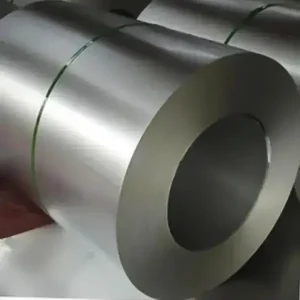
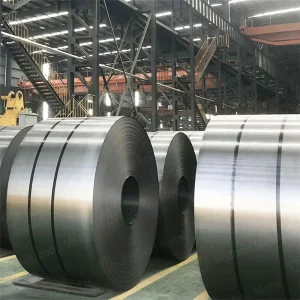
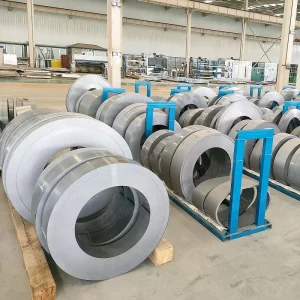
Tinplate, a widely used material in the packaging industry, is known for its excellent barrier properties and aesthetic appeal. However, its susceptibility to corrosion can significantly reduce its performance and lifespan. To address this issue, numerous techniques have been developed to enhance the corrosion resistance of tinplate.
These methods range from surface treatments to the incorporation of protective coatings, each offering unique benefits and applications. Understanding these techniques is crucial for manufacturers aiming to produce durable and high-quality tinplate products. One of the primary methods to improve tinplate corrosion resistance is through the application of protective coatings. These coatings act as a barrier between the tinplate surface and the external environment, preventing direct contact with corrosive agents such as moisture and oxygen.
Common coatings include organic lacquers, which are applied through processes like dip-coating or spray-coating. These lacquers form a thin, protective layer that is both flexible and resistant to chemical attack. Another effective approach is the use of inorganic coatings, such as titanium dioxide or zirconium dioxide, which provide superior corrosion protection due to their high chemical stability. These inorganic coatings are often applied via techniques like electrochemical deposition or chemical vapor deposition, ensuring a uniform and robust protective layer. Surface treatments also play a vital role in enhancing the corrosion resistance of tinplate. One such treatment is passivation, which involves the use of chemicals to create a protective oxide layer on the tinplate surface. This oxide layer acts as a barrier, preventing further corrosion by blocking the entry of corrosive substances.
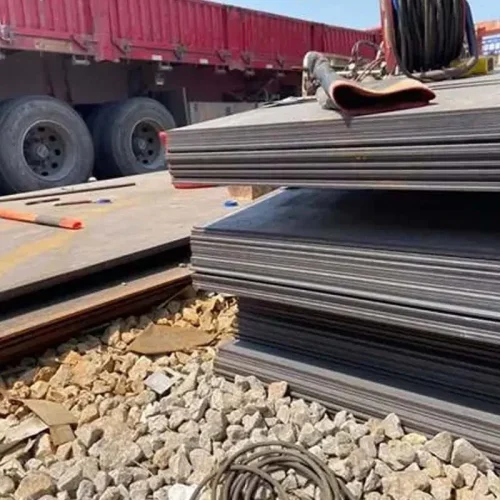
Another surface treatment method is anodizing, which is particularly effective for aluminum-coated tinplate. Anodizing creates a thicker and more durable oxide layer, significantly improving the material’s resistance to corrosion. Additionally, pickling is a common surface treatment that involves immersing the tinplate in an acidic solution to remove any surface oxides or impurities. This process not only cleans the surface but also enhances its ability to adhere to protective coatings, thereby improving overall corrosion resistance. The choice of steel substrate also impacts the corrosion resistance of tinplate. Using higher-quality steel with a lower carbon content can significantly reduce the material’s susceptibility to corrosion.
This is because lower carbon steel is less prone to rusting, even in the presence of moisture. Furthermore, the use of alloys that incorporate elements like chromium or nickel can further enhance the corrosion resistance of the steel substrate. These elements form stable oxides on the surface of the steel, providing an additional layer of protection against corrosion. In addition to these techniques, the design and manufacturing process of tinplate products can also influence their corrosion resistance. For instance, ensuring proper sealing of the packaging can prevent moisture from reaching the tinplate surface, thereby reducing the risk of corrosion. Similarly, incorporating anti-corrosive additives into the lacquer or coating can further enhance their protective properties. These additives, such as certain polymers or inhibitors, can slow down the corrosion process by forming a more resilient barrier. Environmental factors must also be considered when evaluating the corrosion resistance of tinplate. Exposure to harsh conditions, such as high humidity or corrosive chemicals, can accelerate the degradation of tinplate.
Therefore, it is essential to select the appropriate protective techniques based on the intended application and environmental conditions. For example, tinplate used in food packaging requires coatings that are not only corrosion-resistant but also food-safe, ensuring that they do not leach harmful substances into the packaged products. In conclusion, improving the corrosion resistance of tinplate is a multifaceted challenge that requires a combination of protective coatings, surface treatments, and material selection. Each technique offers unique advantages and can be tailored to specific applications to ensure optimal performance. By understanding and implementing these methods, manufacturers can produce tinplate products that are durable, reliable, and long-lasting.
The continuous development of new materials and technologies also provides exciting opportunities to further enhance the corrosion resistance of tinplate, ensuring its continued relevance in various industries. The advancements in protective coatings, surface treatments, and material science are pivotal in addressing the challenges posed by corrosion and are essential for maintaining the high standards of tinplate products in the market.



 English
  Japanese
  Korean
  French
  German
  Spanish
  Portuguese
  Russian
  Arabic
  Italian
  Turkish
  Dutch
Dutch  Polish
  Swedish
  Danish
  Norwegian
  Finnish
  Greek
Greek  Hungarian
  Czech
Czech  Romanian
  Bulgarian
  Slovenian
  Croatian
  Slovak
  Malay
Malay  Indonesian
  Thai
Thai  Vietnamese
  Myanmar
  Khmer
Khmer  Lao
Lao  Tagalog
  Hindi
Hindi  Bengali
  Urdu
Urdu  Nepali
  Sinhala
  Hebrew
  Ukrainian
  Serbian
  Icelandic
  Swahili