
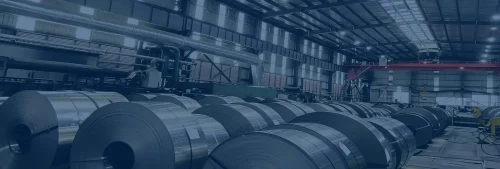
What is the MOQ for ultra-thin electrical steel sheets?
Understanding MOQ for Ultra-Thin Electrical Steel Sheets

Businesses that source specialty metals often ask about the minimum order quantity. This question becomes especially important for ultra-thin electrical steel sheets. These materials serve high-tech industries like electric vehicles and renewable energy. Therefore, buyers need clear answers before placing orders. This article explains the MOQ for ultra-thin electrical steel sheets. It also covers factors that influence that number.
What Defines Ultra-Thin Electrical Steel Sheets
Ultra-thin electrical steel sheets typically have a thickness below 0.20 mm. Some advanced grades go as low as 0.05 mm. These sheets reduce core losses in electrical devices. They also improve efficiency in motors and transformers. Because of their specialized production, making them costs more than standard steel. Consequently, suppliers treat them as premium products. This premium status directly affects the minimum order quantity for ultra-thin electrical steel sheets.
Typical MOQ Ranges in the Industry
The MOQ for ultra-thin electrical steel sheets varies by supplier and grade. Most manufacturers set a minimum between 1 and 5 metric tons. For very thin grades below 0.10 mm, the MOQ can be 500 kg to 2 tons. Some mills require a full production run, which may reach 10 tons. Meanwhile, distributors often offer smaller quantities. They might sell 100 kg to 500 kg for testing. However, these smaller orders come with higher unit prices.
Why Suppliers Set Minimum Order Quantities
Producing ultra-thin electrical steel sheets requires precise rolling and annealing. Setting up a production line for a small batch wastes time and energy. Suppliers also face high tooling and quality control costs. Therefore, they set an MOQ to protect their margins. An MOQ for ultra-thin electrical steel sheets also ensures consistent quality. Small batches can cause variation in magnetic properties. Thus, a reasonable minimum helps both the mill and the buyer.
Factors That Change the MOQ
Several factors can lower or raise the MOQ for ultra-thin electrical steel sheets. First, the ordered thickness matters. Thinner sheets demand more processing steps. Second, the width and coil weight affect production efficiency. Third, the grade and coating type influence setup costs. Fourth, the supplier’s inventory level plays a role. If a mill has excess stock, it may accept a smaller order. Finally, long-term contracts often lead to flexible MOQs. Buyers who commit to annual volumes gain more negotiating power.
How to Negotiate a Lower MOQ
Buyers can take practical steps to reduce the MOQ for ultra-thin electrical steel sheets. Start by contacting multiple suppliers and distributors. Ask for sample quantities or trial orders. Offer to pay a premium for small batches. Provide a forecast of future demand to show growth potential. Consider partnering with a service center that slits coils to your size. Such centers often carry stock and sell smaller amounts. Additionally, join a buying group to combine orders with other firms.
Comparing MOQs Across Regions
Regional differences affect the MOQ for ultra-thin electrical steel sheets. In Asia, large mills often require 5 to 10 tons. European suppliers may set 2 to 5 tons as a standard. North American distributors tend to offer lower MOQs, sometimes 200 kg to 1 ton. However, these smaller orders may have longer lead times. Currency exchange rates and shipping costs also influence the final MOQ. Therefore, buyers should compare total landed cost, not just the MOQ number.
The Role of MOQ in Supply Chain Planning
A clear MOQ for ultra-thin electrical steel sheets helps with inventory management. Small manufacturers may struggle to meet high minimums. They risk holding too much stock or running out. To solve this, some buyers use a just-in-time approach. They order smaller quantities more often. But this strategy only works if the supplier agrees. Otherwise, the buyer must pay for storage or expedited shipping. Thus, understanding the MOQ is essential for accurate budgeting and production scheduling.
Conclusion: Value of Knowing the MOQ
Knowing the MOQ for ultra-thin electrical steel sheets saves time and money. It prevents wasted negotiations and unexpected costs. It also helps buyers choose the right supplier for their scale. Small companies should look for distributors or service centers. Large manufacturers can work directly with mills for better pricing. Ultimately, the MOQ is not a fixed number. It is a negotiable term that depends on thickness, grade, volume, and relationship. By asking the right questions, any buyer can find a workable minimum order quantity for ultra-thin electrical steel sheets.





 English
  Japanese
  Korean
  French
  German
  Spanish
  Portuguese
  Russian
  Arabic
  Italian
  Turkish
  Dutch
Dutch  Polish
  Swedish
  Danish
  Norwegian
  Finnish
  Greek
Greek  Hungarian
  Czech
Czech  Romanian
  Bulgarian
  Slovenian
  Croatian
  Slovak
  Malay
Malay  Indonesian
  Thai
Thai  Vietnamese
  Myanmar
  Khmer
Khmer  Lao
Lao  Tagalog
  Hindi
Hindi  Bengali
  Urdu
Urdu  Nepali
  Sinhala
  Hebrew
  Ukrainian
  Serbian
  Icelandic
  Swahili