
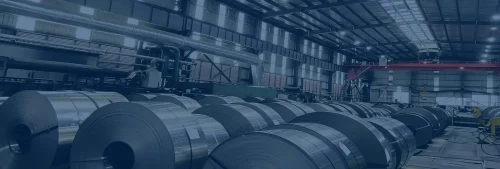
Ultra-Thin Electrical Steel FAQs
Ultra-thin electrical steel plays a vital role in modern energy systems. It powers electric vehicles and smart grids. This material also supports renewable energy technologies. As demand grows, engineers seek better performance. The following FAQs address common questions about this steel.

What Is Ultra-Thin Electrical Steel?
Ultra-thin electrical steel is a specialized alloy. Its thickness typically falls below 0.20 millimeters. This thin gauge reduces core losses significantly. Manufacturers produce it through precise rolling processes. The steel contains silicon to boost resistivity. As a result, it limits unwanted eddy currents. This makes it ideal for high-frequency applications. Consequently, energy efficiency improves notably.
Why Does Thickness Matter for Performance?
Thinner steel lowers eddy current losses. These losses occur when magnetic fields change rapidly. A reduced thickness cuts the path for circulating currents. Therefore, less heat generates during operation. This benefit becomes critical in motors and transformers. For instance, electric vehicle motors run at high speeds. They need low loss to extend driving range. Thus, ultra-thin grades directly enhance system efficiency.
Which Industries Rely on This Material?
Several sectors depend on ultra-thin electrical steel. The automotive industry uses it in traction motors. Renewable energy employs it in wind turbine generators. Consumer electronics apply it in compact transformers. Additionally, aerospace benefits from its lightweight nature. Each industry values different properties. However, all prioritize energy savings and reliability. This broad adoption drives continuous research.
How Does It Improve Electric Vehicle Range?
Electric vehicles convert electricity into motion. Motors experience rapid magnetic changes. Ultra-thin steel reduces core losses during this process. Less lost energy means more power reaches the wheels. Consequently, the vehicle travels farther per charge. Automakers increasingly specify this material. They aim to meet strict efficiency targets. Therefore, ultra-thin steel supports sustainable mobility.
What Are the Manufacturing Challenges?
Producing ultra-thin steel demands high precision. Rolling to very thin gauges risks tearing. Coating must remain uniform and thin. Annealing steps require exact temperature control. Any defect harms magnetic properties. Thus, manufacturers invest in advanced equipment. They also perform rigorous quality checks. These efforts ensure consistent performance.
How Does It Support Renewable Energy?
Wind and solar power need efficient conversion. Generators and inverters use magnetic cores. Ultra-thin steel minimizes losses in those cores. As a result, more renewable electricity reaches the grid. This efficiency lowers overall costs. It also reduces cooling needs. Therefore, the material aids the clean energy transition.
What Trends Shape Future Development?
Researchers explore even thinner gauges. They also test new coating technologies. Higher silicon content may improve resistivity. Yet, brittleness remains a concern. Future grades may balance thickness and strength. Automation will likely lower production costs. Furthermore, recycling methods will gain importance. These trends promise wider adoption.
Conclusione
Ultra-thin electrical steel delivers measurable benefits. It cuts energy losses in motors and transformers. It enables longer electric vehicle ranges. It supports wind and solar power systems. Manufacturers continue to refine its properties. As a result, this material will remain central to efficient electrification. Buyers should evaluate thickness, coating, and loss data. Doing so ensures optimal performance for their applications.






 English
  Japanese
  Korean
  French
  German
  Spanish
  Portuguese
  Russian
  Arabic
  Italian
  Turkish
  Dutch
Dutch  Polish
  Swedish
  Danish
  Norwegian
  Finnish
  Greek
Greek  Hungarian
  Czech
Czech  Romanian
  Bulgarian
  Slovenian
  Croatian
  Slovak
  Malay
Malay  Indonesian
  Thai
Thai  Vietnamese
  Myanmar
  Khmer
Khmer  Lao
Lao  Tagalog
  Hindi
Hindi  Bengali
  Urdu
Urdu  Nepali
  Sinhala
  Hebrew
  Ukrainian
  Serbian
  Icelandic
  Swahili